International Health Agencies Bolster Response to MV Hondius Andes Hantavirus Outbreak
WHO, ECDC, Africa CDC, and US CDC are coordinating efforts to contain the hantavirus situation aboard the MV Hondius Andes, issuing advisories and deploying resources to Praia, Cape Verde.
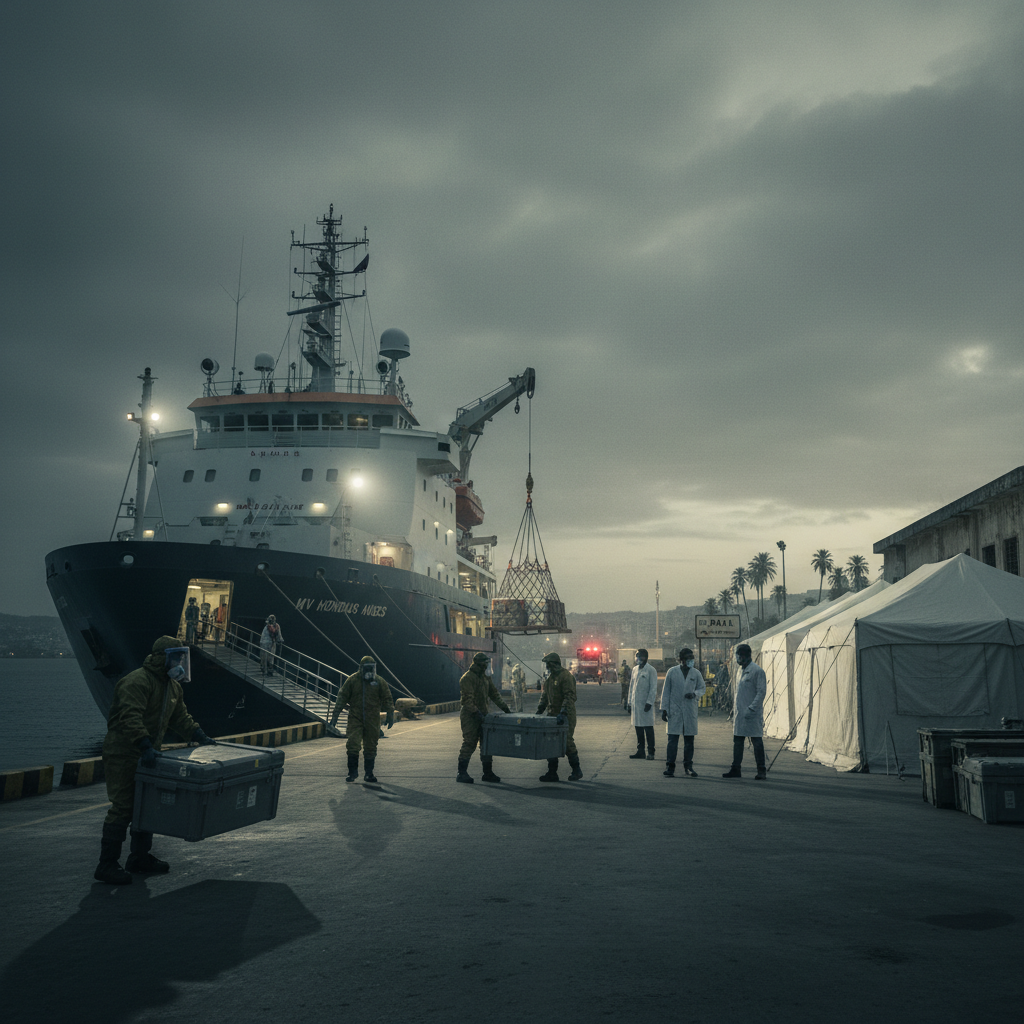
Coordinated Global Response to Maritime Outbreak
Praia, Cape Verde – August 27, 2026 – Leading international public health organizations are intensifying their coordinated response to the ongoing hantavirus outbreak on the MV Hondius Andes, currently anchored off Praia. The World Health Organization (WHO), the European Centre for Disease Prevention and Control (ECDC), Africa Centres for Disease Control and Prevention (Africa CDC), and the U.S. Centers for Disease Control and Prevention (US CDC) have all activated emergency protocols, working closely with Cape Verdean health authorities and international partners.
WHO Leads Global Coordination and Advisory Issuance
The WHO has been at the forefront of the global coordination efforts, using its Emergency Response Framework.As of August 27, 2026, the organization has issued several public health advisories to member states, outlining enhanced surveillance measures, clinical management guidelines for hantavirus pulmonary syndrome (HPS) and hemorrhagic fever with renal syndrome (HFRS). Infection prevention and control (IPC) protocols for maritime settings. A WHO incident management team is on the ground in Praia, collaborating with the Cape Verde Ministry of Health to support risk assessment, contact tracing, and laboratory capacity strengthening. The WHO has also helpd the deployment of essential medical supplies and personal protective equipment (PPE) to assist the response efforts both on the vessel and in the local health system, per publicly reported figures.
ECDC Focuses on European Travel and Public Health
The ECDC has been particularly active in assessing the risk to European travelers and public health systems, given the origin and passenger demographics of the MV Hondius Andes. The ECDC has published rapid risk assessments, advising European Union/European Economic Area (EU/EEA) member states on potential imported cases and recommended surveillance strategies. Their advisories emphasize the importance of communicating travel health information to returning passengers and healthcare providers. The ECDC has as well engaged in knowledge sharing with the WHO and US CDC, contributing expertise on hantavirus epidemiology and laboratory diagnostics. In practice, their ongoing collaboration aims to ensure a harmonized approach to monitoring and managing potential secondary spread within Europe, as stated in recent communications.
Africa CDC Supports Regional Preparedness and Response
Africa CDC has played a crucial role in bolstering regional preparedness, especially for West African nations adjacent to Cape Verde. Recognizing the potential for cross-border health implications, Africa CDC has activated its Emergency Operations Centre to coordinate with affected and at-risk African Union member states. The organization has provided technical guidance on port health screening procedures, emphasizing rodent control measures and public health messaging to prevent further transmission. Africa CDC is also working to strengthen diagnostic capabilities in regional laboratories and enhance rapid response team training. Publicly available statements from Africa CDC highlight their commitment to supporting Cape Verde and other member states in managing the current outbreak and mitigating future risks, as of August 27, 2026.
US CDC Deploys Expertise and Resources
The US CDC has deployed a team of epidemiologists and public health specialists to Praia, working alongside WHO and local authorities.Their focus includes assisting with epidemiological investigations, offering technical support for environmental assessments aimed at identifying the source of the hantavirus on the vessel. Providing guidance on patient management protocols. The US CDC has also issued health alerts and travel notices for U.S. Citizens, advising them on potential exposure risks and symptoms of hantavirus infection, as of August 27, 2026. Their advisories underscore the importance of seeking immediate medical attention if symptoms develop after potential exposure. The US CDC's involvement highlights the global nature of public health threats and the need for international collaboration.
Joint Coordination and Future Outlook
The ongoing coordination between these prominent health organizations, alongside the International Maritime Organization (IMO) and local authorities, is critical in managing the complex challenges presented by the MV Hondius Andes outbreak. Daily briefing calls and shared data platforms help rapid decision-making and resource allocation. While the immediate focus remains on containment and patient care aboard the vessel and in Cape Verde, discussions are also underway regarding long-term strategies for preventing similar maritime outbreaks. Officials continue to stress the importance of strong surveillance, rapid diagnostic capabilities, and effective public health communication as the situation evolves.



