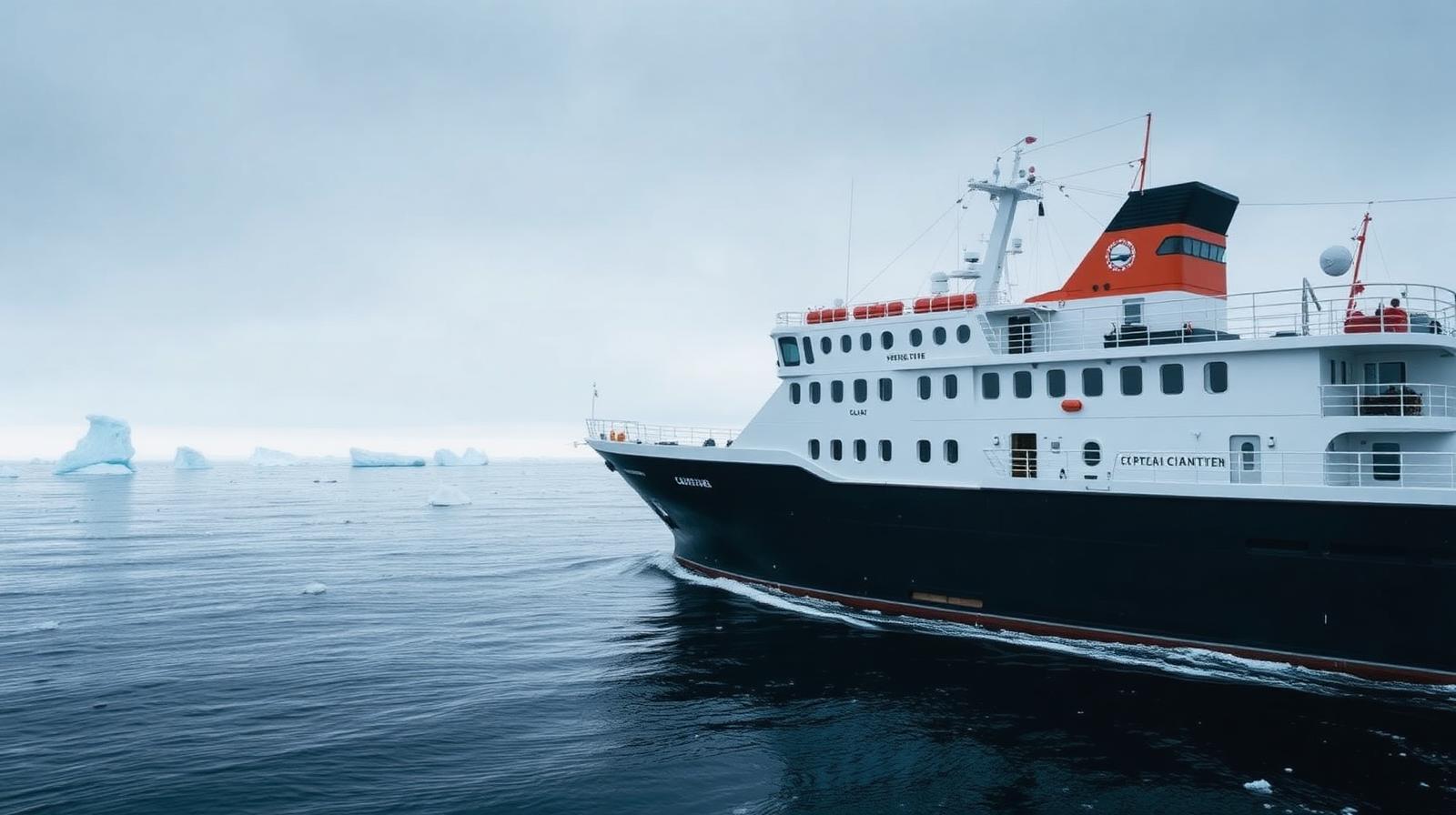
International Health Agencies Bolster Response to MV Hondius Andes Hantavirus Outbreak
Leading global and regional health organizations, including WHO, ECDC, Africa CDC, and US CDC, have intensified collaborative efforts, issuing advisories and coordinating on-the-ground support to manage the ongoing hantavirus event aboard the MV Hondius Andes off Praia, Cape Verde.
Coordinated Global Health Response Underway
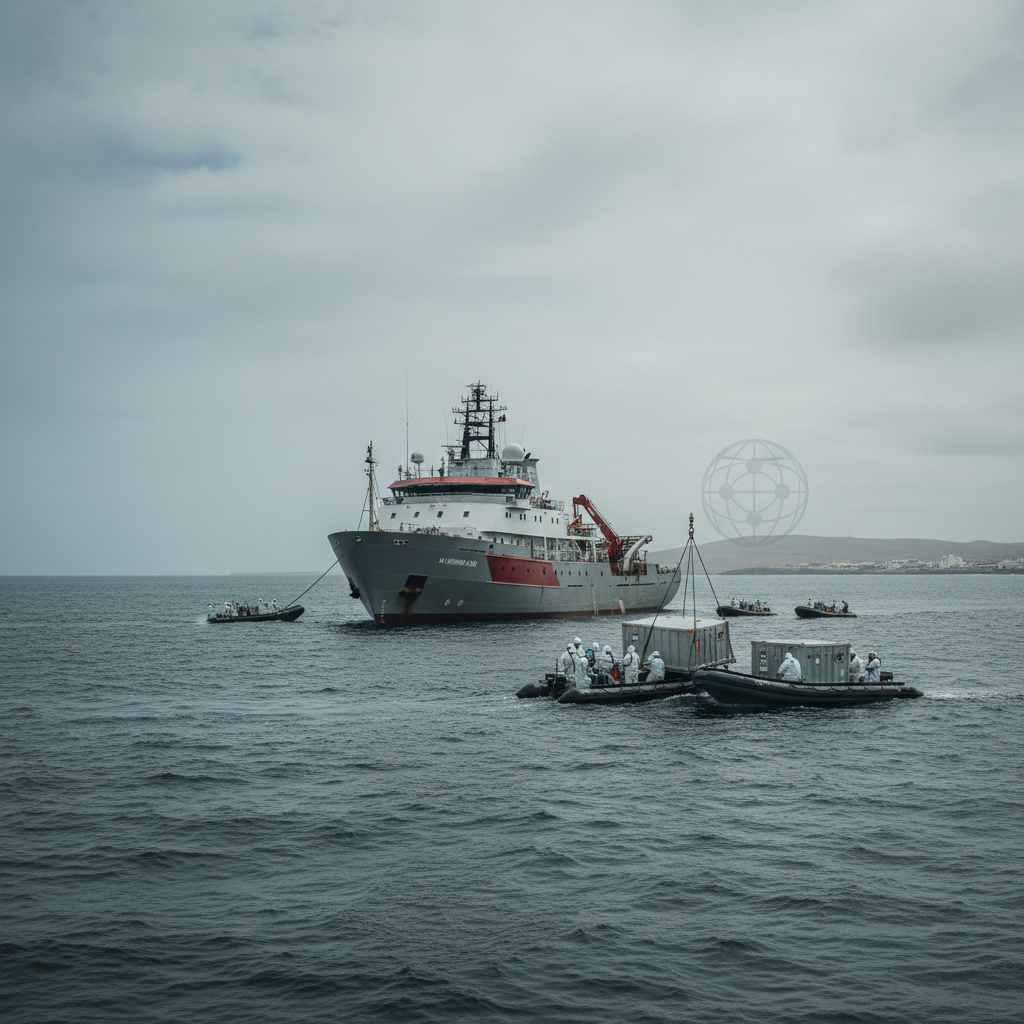
Praia, Cape Verde – September 22, 2026 – A strong international public health effort is actively addressing the hantavirus outbreak linked to the MV Hondius Andes, currently anchored off the coast of Praia. The World Health Organization (WHO), the European Centre for Disease Prevention and Control (ECDC), Africa Centres for Disease Control and Prevention (Africa CDC), and the U.S. Centers for Disease Control and Prevention (US CDC) have consolidated their expertise and resources, focusing on containment, surveillance, and preventing wider transmission. Since the initial identification of hantavirus cases aboard the vessel in May 2026, these agencies have been instrumental in shaping the public health strategy. Their joint actions underscore the complexities of managing a zoonotic outbreak within a confined maritime environment, requiring careful coordination between diverse national and international stakeholders.
WHO Leadership in Global Guidance
The WHO has taken a leading role in providing global guidance for hantavirus management, particularly concerning isolated and transmissible outbreaks. Their advisories, distributed to member states, emphasize enhanced surveillance protocols, rapid diagnostic testing capabilities, and stringent infection prevention and control measures. The organization has helpd the sharing of epidemiological data and clinical best practices among affected and potentially exposed nations. WHO's technical teams are also supporting Cape Verdean health authorities, providing expertise on outbreak investigation and risk communication, crucial for public trust and adherence to health guidelines. This includes guidance on environmental assessments on board the ship to identify and mitigate potential rodent reservoirs, a primary vector for hantaviruses.
ECDC Focus on European Preparedness
The ECDC has been pivotal in monitoring the potential for hantavirus introduction into European Union and European Economic Area member states, given the international nature of cruise ship travel. Their rapid risk assessments have been continuously updated, informing national health authorities about screening procedures for returning passengers and crew. ECDC advisories have highlighted the importance of strong contact tracing protocols and the preparedness of healthcare systems to manage imported cases. And, the ECDC has engaged with maritime health networks to disseminate information on the specific hantavirus strain implicated, aiding diagnostic efforts and refining treatment approaches should cases emerge in Europe.
Africa CDC’s Regional Coordination
Africa CDC has been critical in coordinating the response within the African continent, recognizing Cape Verde's location and the potential for regional spread. The agency has activated its emergency operations center, working closely with Cape Verde’s Ministry of Health to bolster local response capacity. Africa CDC has emphasized the importance of cross-border collaboration, particularly with neighboring West African nations, to ensure harmonized surveillance and public health messaging.Their efforts include facilitating the deployment of expert teams to support laboratory diagnostics and epidemiological investigations in Praia. Providing guidance on environmental decontamination strategies specific to the regional context. The organization has also focused on training local health workers in proper sample collection and biosafety protocols.
US CDC’s Technical Assistance and Research
The US CDC has provided substantial technical assistance, using its extensive experience in zoonotic disease outbreaks. Teams from the US CDC have been deployed to Praia, offering support in epidemiology, laboratory testing, and environmental health. Their contributions include advanced molecular diagnostics to characterize the hantavirus strain, which is vital for understanding its transmission dynamics and informing vaccine or therapeutic development efforts.The US CDC has too issued health alerts for American travelers and maritime industry stakeholders, detailing symptoms, prevention strategies. Advising on post-exposure monitoring for individuals who may have been on the MV Hondius Andes. Their research division continues to analyze data from the outbreak to refine understanding of hantavirus ecology in marine environments.
Joint Coordination and Future Outlook
The ongoing coordination among WHO, ECDC, Africa CDC, and US CDC represents a bigly global health partnership. Regular inter-agency briefings ensure a unified approach to intelligence sharing, resource allocation, and public communication. This collaborative framework is essential for managing the complex challenges presented by the MV Hondius Andes outbreak, from immediate patient care and infection control to long-term epidemiological study and preventive measures for future maritime incidents. Officials from these agencies reiterate the importance of sustained vigilance and adherence to established protocols as the situation evolves, with continued focus on safeguarding global public health.