International Health Agencies Coordinate Response to MV Hondius Andes Hantavirus Outbreak
Leading global health bodies, including WHO, ECDC, Africa CDC, and US CDC, have activated a joint operational framework to manage the ongoing hantavirus outbreak aboard the MV Hondius Andes, focusing on containment, surveillance, and public health advisories.
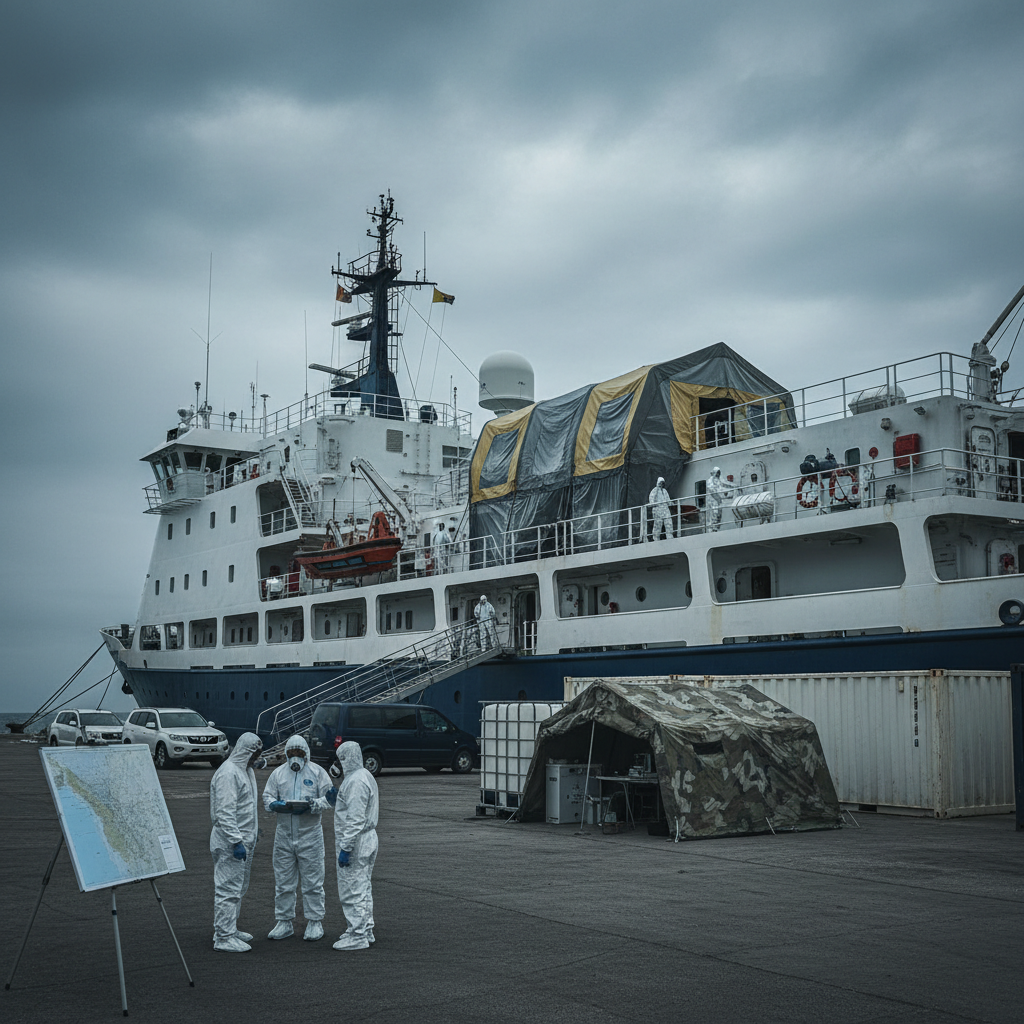
Joint International Health Agencies Address MV Hondius Andes Outbreak
PRAIA, CAPE VERDE — International public health agencies have intensified their coordinated efforts in response to the hantavirus outbreak on the MV Hondius Andes, currently anchored off Praia, Cape Verde. The World Health Organization (WHO), the European Centre for Disease Prevention and Control (ECDC), Africa Centres for Disease Control and Prevention (Africa CDC), and the U.S. Centers for Disease Control and Prevention (US CDC) have established a joint operational task force to address the evolving situation. Since the initial reports emerged in late May 2026, these organizations have been working to standardize protocols for testing, isolation, and contact tracing among passengers and crew. Their collective aim is to prevent further transmission, both onboard and potentially ashore, should the vessel eventually disembark its occupants.
WHO Leads Global Oversight and Guidance
The WHO has been instrumental in issuing global guidance for managing hantavirus infections in a maritime setting. On the ground, their advisories cover infection prevention and control (IPC) measures, including environmental decontamination protocols for the vessel and safe handling procedures for suspected cases.A WHO spokesperson stated that efforts are focused on ensuring all affected individuals receive appropriate medical care. Simultaneously working with local Cape Verdean health authorities to bolster their capacity for receiving and managing potential patient transfers, if required. The organization has as well emphasized the psychological support needed for those isolated on the ship, acknowledging the unique challenges of a prolonged maritime quarantine.
ECDC Focuses on European Preparedness
The ECDC has primarily focused on assessing the risk to European citizens aboard the MV Hondius Andes and preparing for their safe return. On the ground, the agency has been disseminating rapid risk assessments to member states, advising on surveillance measures for returning travelers who may have been exposed. This includes recommendations for medical follow-up and public health messaging to prevent potential secondary transmission upon disembarkation in Europe. The ECDC's role has too extended to sharing expertise on laboratory diagnostics and epidemiological investigation specific to hantavirus, drawing on its experience with endemic hantavirus strains in certain parts of Europe.
Africa CDC Supports Regional Preparedness
Africa CDC is actively coordinating with health ministries across the African continent, particularly in West Africa, given the vessel's proximity to regional ports. Their focus includes enhancing surveillance for acute febrile illnesses in port cities and providing technical assistance for preparedness planning. A key aspect of Africa CDC's involvement is ensuring that public health infrastructure in potentially affected African nations is ready to respond, minimizing the risk of broader regional spread should any cases or contacts disembark in African territory. The organization has also been involved in facilitating the deployment of medical personnel and supplies to aid the response in Cape Verde, as publicly reported.
US CDC Contributes Expertise and Resources
The US CDC has deployed a team of epidemiologists and infectious disease specialists to Praia, working alongside local authorities and other international agencies. Their contribution includes expertise in outbreak investigation, risk assessment, and the implementation of advanced laboratory diagnostics for hantavirus. The US CDC has too been instrumental in advising on medical care protocols for critically ill patients and has provided resources for personal protective equipment (PPE) and other essential medical supplies to support the onboard medical team and Cape Verdean health services, as publicly acknowledged by responders. Behind the scenes: their presence ensures that strong public health measures are in place should any US citizens require repatriation or isolation upon returning home.
Unified Strategy for Complex Outbreak
Collectively, these agencies are demonstrating a strong commitment to a unified global health response. This inter-agency collaboration is crucial for managing the complex challenges presented by an infectious disease outbreak in a confined maritime environment, far from typical medical facilities. The ongoing coordination covers not only the immediate health crisis yet too the logistical complexities of repatriating passengers and crew to various corners of the globe, all while adhering to stringent public health protocols to prevent further spread. Officials from the agencies reiterated the importance of transparent communication and data sharing to ensure an effective global response. The situation remains under active observation, with daily briefings and updates informing ongoing strategy and resource deployment.
Sources
- World Health Organization: https://www.who.int
- European Centre for Disease Prevention and Control: https://www.ecdc.europa.eu
- Africa Centres for Disease Control and Prevention: https://africacdc.org
- U.S. Centers for Disease Control and Prevention: https://www.cdc.gov
- Reuters: https://www.reuters.com
- Associated Press: https://apnews.com



