International Health Agencies Coordinate Response to MV Hondius Andes Hantavirus Outbreak
Leading global public health bodies, including WHO, ECDC, Africa CDC, and US CDC, have activated a multi-agency response to contain the hantavirus outbreak on the MV Hondius Andes, anchored off Praia, Cape Verde, focusing on surveillance, diagnostics, and regional preparedness.
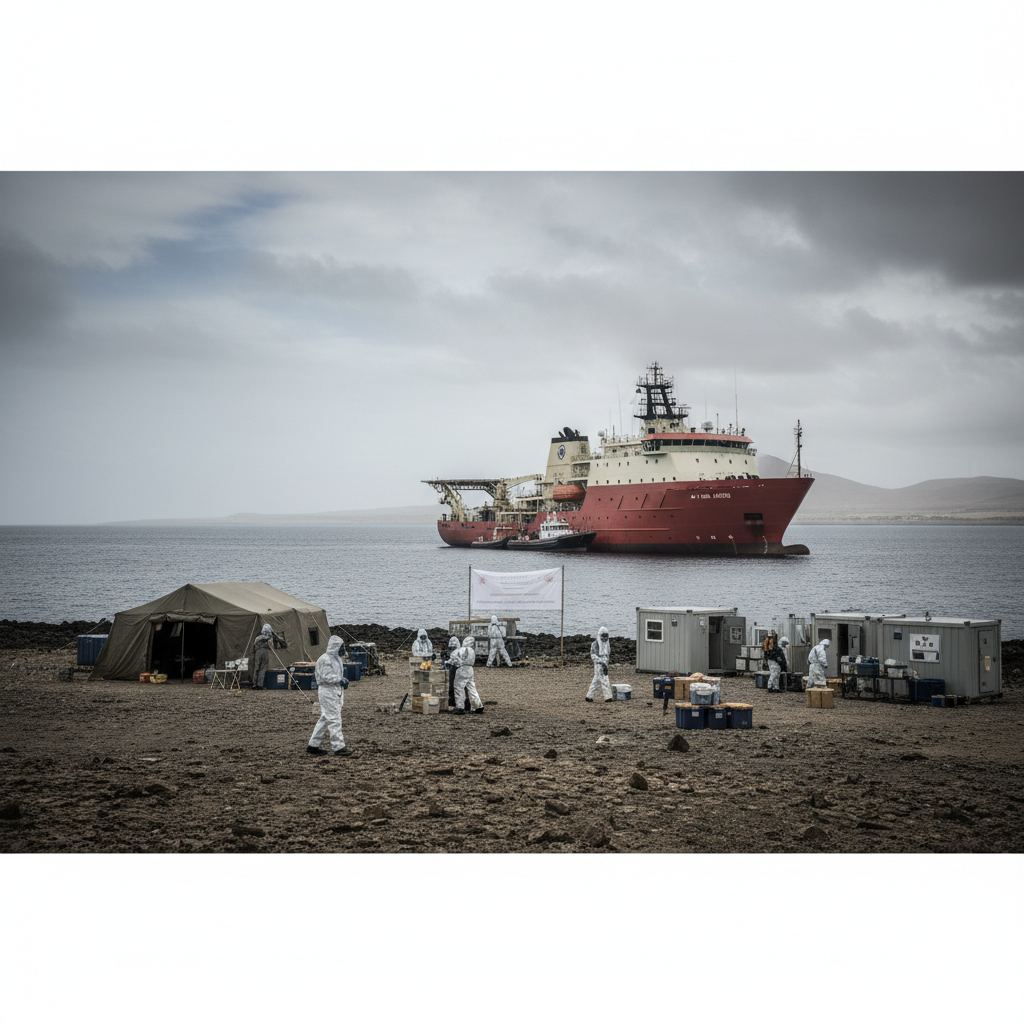
Joint Efforts Underway to Contain MV Hondius Andes Hantavirus Outbreak
PRAIA, CAPE VERDE – Major international public health organizations have rapidly mobilized resources and expertise to address the evolving hantavirus outbreak aboard the MV Hondius Andes.The vessel, which has been anchored off the coast of Praia, Cape Verde, since early May 2026, has prompted a coordinated effort from the World Health Organization (WHO), the European Centre for Disease Prevention and Control (ECDC), the Africa Centres for Disease Control and Prevention (Africa CDC). The U.S. Centers for Disease Control and Prevention (US CDC). Since the initial reports of acute respiratory illness and hemorrhagic symptoms consistent with hantavirus infection emerged among passengers and crew, these agencies have been in close communication with Cape Verdean health authorities. Their primary objectives include preventing further transmission, ensuring accurate diagnostics, supporting clinical management, and mitigating regional spread.
WHO's Global Coordination Role
The WHO has taken a lead in global coordination, activating its Emergency Response Framework. Officials from the WHO's Incident Management Support Team have been providing daily briefings and technical guidance to affected nations and partner organizations. A key focus for the WHO has been the standardization of diagnostic protocols and the dissemination of public health advisories to reduce stigmatization and ensure evidence-based responses. The organization has emphasized the importance of strong surveillance systems in identifying potential cases early, both on board the vessel and in surrounding communities. And, the WHO is facilitating the sharing of epidemiological data among partners, crucial for understanding transmission dynamics and risk assessment.
ECDC's European Preparedness
The ECDC has been particularly active in assessing the risk to European citizens who were on board the MV Hondius Andes or may have been exposed. The agency has issued guidance to EU/EEA member states on enhanced surveillance for hantavirus pulmonary syndrome (HPS) and hemorrhagic fever with renal syndrome (HFRS), the two main forms of hantavirus disease. This includes recommendations for laboratory testing and contact tracing for returning travelers. The ECDC is too contributing expertise in risk communication, ensuring that accurate and timely information is provided to the public and healthcare professionals across Europe. Their work emphasizes preventing secondary transmission should any cases emerge in Europe following disembarkation.
Africa CDC's Regional Focus
Given the vessel's proximity to West African nations, the Africa CDC has prioritized regional preparedness and response capabilities. The agency has deployed rapid response teams to support Cape Verde's Ministry of Health, focusing on strengthening laboratory capacity for hantavirus detection and enhancing port health surveillance. Africa CDC is as well working to increase awareness among healthcare providers in neighboring countries on hantavirus symptoms and prevention measures, particularly concerning potential rodent vectors. Their efforts include coordinating with national public health institutes to ensure a harmonized approach to surveillance and outbreak control across the continent, particularly in regions with ecological conditions conducive to rodent populations that could harbor hantaviruses.
US CDC's Investigative and Diagnostic Support
The US CDC has provided critical technical and laboratory support. Important context: their experts have been assisting with epidemiological investigations on board the MV Hondius Andes, helping to identify potential exposure pathways and risk factors. The US CDC has too been instrumental in validating diagnostic tests and offering specialized laboratory services, a crucial component for confirming hantavirus infections and differentiating them from other febrile illnesses. Also, the US CDC has issued travel health notices, advising American citizens on precautions to take when traveling to affected regions and outlining symptoms to monitor for post-travel. Their contribution includes expertise in environmental assessments to identify potential rodent reservoirs associated with the outbreak.
Joint Coordination and Future Outlook
The collaborative efforts of WHO, ECDC, Africa CDC, and US CDC underscore the complex nature of managing an infectious disease outbreak in a confined, international setting. Regular inter-agency meetings and information-sharing platforms have been established to ensure a unified and efficient response. This joint approach allows for a comprehensive strategy covering global guidance, regional specificities, and specialized technical assistance. As of early August 2026, the situation remains under active management. Public health officials continue to monitor developments closely, with ongoing efforts focused on disembarkation protocols, patient care, and environmental remediation on the MV Hondius Andes. The coordinated international response aims to bring the outbreak to a swift and safe conclusion, minimizing further public health impact.



