International Health Agencies Unify Response to Hondius Andes Hantavirus Event
Leading global and regional health bodies, including WHO, ECDC, Africa CDC, and US CDC, have intensified collaborative efforts, issuing advisories and coordinating public health strategies in response to the MV Hondius Andes hantavirus outbreak off Cape Verde.

Coordinated Global Health Effort Targets Hondius Andes Outbreak
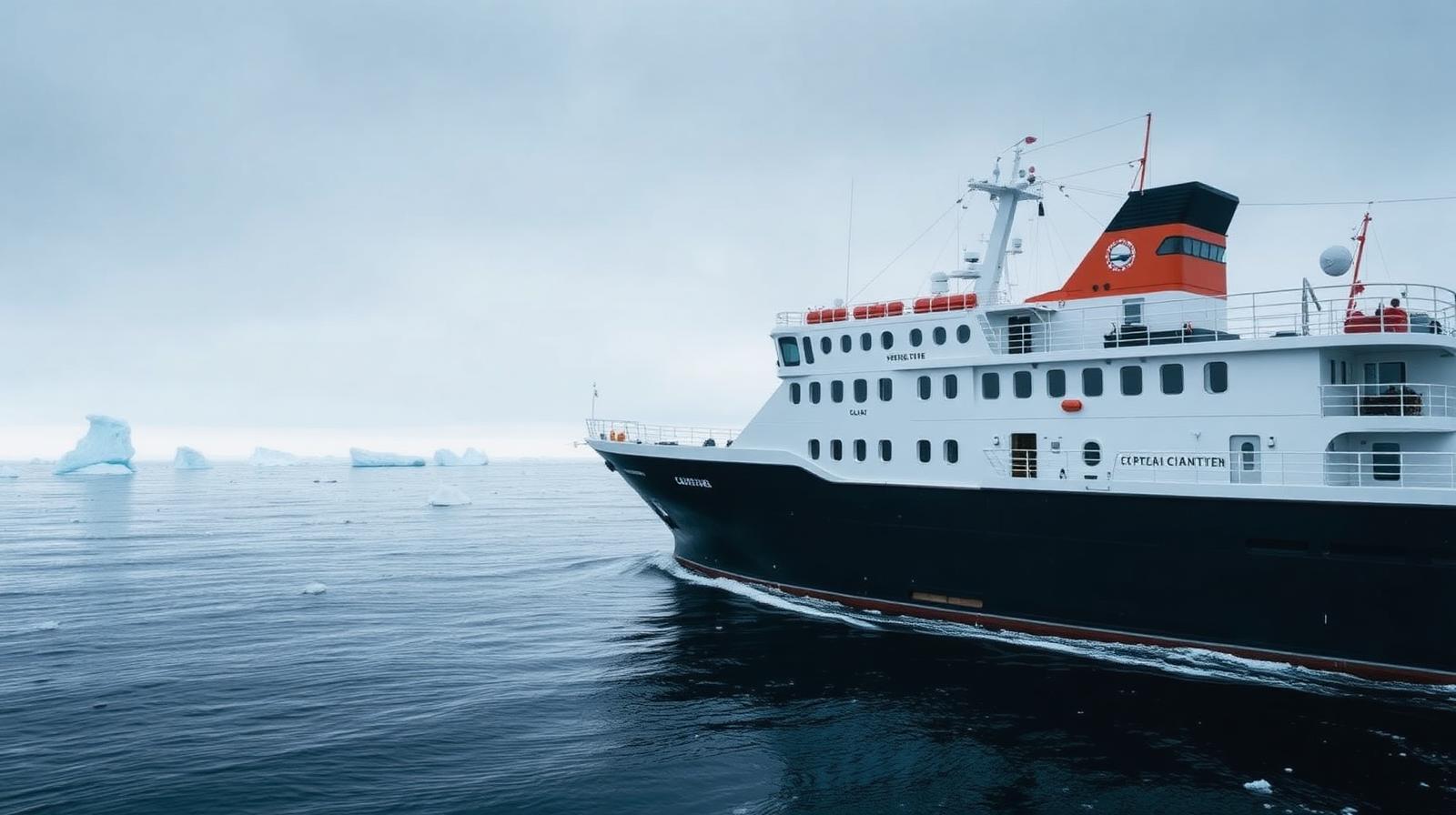
PRAIA, CAPE VERDE – The global public health community has escalated its coordinated response to the hantavirus outbreak linked to the MV Hondius Andes, currently anchored off Praia. The World Health Organization (WHO), European Centre for Disease Prevention and Control (ECDC), Africa Centres for Disease Control and Prevention (Africa CDC), and the U.S. Centers for Disease Control and Prevention (US CDC) are at the forefront of this unified effort, focusing on containment, surveillance, and international health regulation compliance. Since the initial reports emerged in May 2026, these key agencies have moved swiftly to establish strong communication channels and implement joint strategies.The primary goal is to mitigate further transmission, both onboard the vessel and to potential contacts on land. As well supporting affected populations and local health authorities in Cape Verde.
WHO's Leadership in International Coordination
The WHO has assumed a critical leadership role, convening regular emergency committee meetings and facilitating information exchange among national and regional health bodies. The organization has emphasized the importance of adhering to International Health Regulations (IHR) (2005) to prevent the international spread of disease while minimizing interference with international traffic and trade. WHO advisories have focused on stringent infection control measures, enhanced surveillance protocols, and the ethical management of affected individuals and their data. The agency has also been instrumental in mobilizing expert teams for on-the-ground assessment and technical assistance to Cape Verdean health authorities, including support for laboratory diagnostics and epidemiological investigation.
ECDC's Focus on European Preparedness
The ECDC has been particularly active in assessing the risk to European Union/European Economic Area (EU/EEA) countries, given the cruise ship's itinerary and passenger demographics. By contrast, the agency has issued rapid risk assessments and guidance documents for member states, advising on enhanced surveillance for returning travelers, laboratory testing protocols, and public communication strategies. ECDC's recommendations include vigilant monitoring for hantavirus symptoms in individuals who have disembarked from the MV Hondius Andes, as well as for healthcare workers who may have been exposed. The ECDC has also stressed the importance of strong contact tracing procedures for any individuals returning to Europe from the affected vessel.
Africa CDC's Regional Response and Support
Africa CDC has been central to supporting the response efforts within the African continent, working closely with the Cape Verdean Ministry of Health. The agency has deployed rapid response teams to assist with epidemiological investigations, case management training, and public health messaging. Africa CDC's efforts are geared towards strengthening surveillance systems in vulnerable African nations, particularly those with existing maritime trade links or proximity to Cape Verde. The agency has highlighted the need for sustained capacity building in preparedness and response for emerging infectious diseases across the continent, utilizing lessons learned from the Hondius Andes event to bolster regional health security frameworks. They have too focused on community engagement strategies to ensure accurate information dissemination and prevent misinformation.
US CDC's Contributions to Containment and Research
The US CDC has contributed bigly through its expertise in hantavirus ecology, diagnostics, and outbreak response. The agency has offered laboratory support for advanced molecular testing and characterization of the hantavirus strain involved, which is crucial for understanding its transmissibility and potential severity. US CDC advisories for American citizens and healthcare providers have included detailed guidance on recognizing symptoms, preventing exposure, and appropriate clinical management. Their involvement extends to providing technical assistance on environmental risk assessments onboard the vessel, particularly concerning rodent control measures. The US CDC has also underscored the importance of strong data sharing and collaborative research to improve understanding of hantavirus transmission dynamics in unique settings like cruise ships.
Joint Coordination and Future Outlook
The ongoing coordination among these international bodies represents a critical component of managing the Hondius Andes outbreak. Daily briefings, shared epidemiological data, and harmonized public health advisories are ensuring a unified front against the spread of the virus. The agencies continue to emphasize that containment on a moving vessel presents unique challenges, necessitating flexible and adaptive response strategies.As of late August 2026, the focus remains on ensuring the health and safety of remaining individuals on board, facilitating their safe disembarkation. Preventing any further community transmission. The lessons learned from this unprecedented maritime hantavirus event are expected to inform future international health regulations and pandemic preparedness plans globally.