International Health Bodies Coordinate Hantavirus Response for MV Hondius Andes Outbreak
WHO, ECDC, Africa CDC, and US CDC are jointly addressing the hantavirus outbreak on the MV Hondius Andes, issuing advisories and coordinating response efforts off Praia, Cape Verde. The multi-agency approach aims to contain the spread and manage public health risks.

Global Health Agencies Mobilize Against Hondius Andes Hantavirus Outbreak
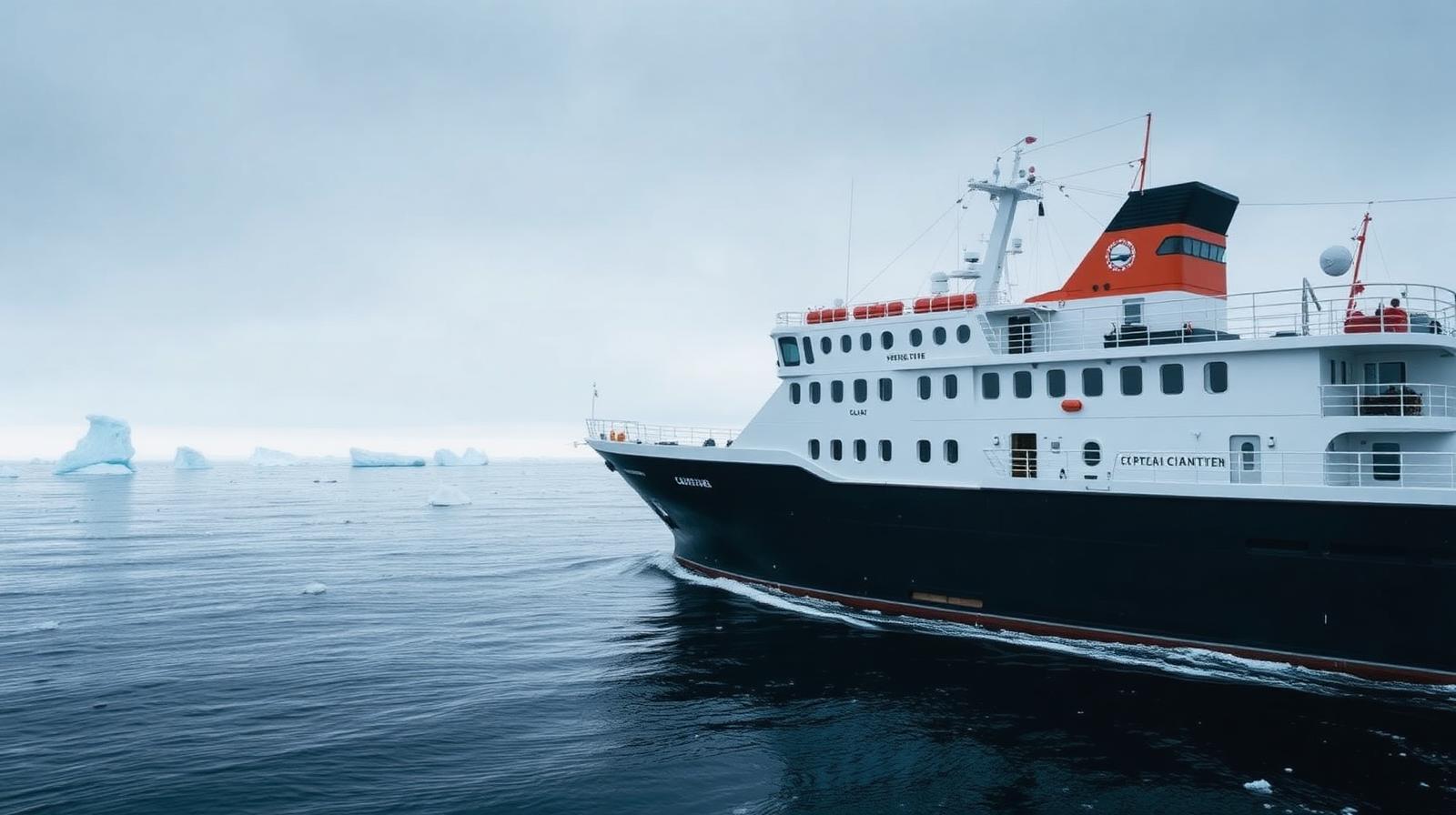
Praia, Cape Verde – As the MV Hondius Andes remains anchored off Praia, an unprecedented coordinated international public health response is underway to manage the hantavirus outbreak identified onboard. The World Health Organization (WHO), the European Centre for Disease Prevention and Control (ECDC), Africa Centres for Disease Control and Prevention (Africa CDC), and the U.S. Centers for Disease Control and Prevention (US CDC) have all activated response mechanisms, issuing advisories and collaborating closely with Cape Verdean authorities.
WHO Leads Global Coordination Efforts
The WHO has taken a central role in facilitating the international response, using its Global Outbreak Alert and Response Network (GOARN) to align efforts and share critical information. The organization has been providing technical guidance on surveillance, case management, and infection prevention and control (IPC) measures relevant to hantavirus. WHO representatives are reportedly liaising with national health ministries, including Cape Verde's, to ensure a harmonized approach to managing the health crisis on and around the vessel. Specific advisories have been circulated to member states regarding travel and health precautions, though details on these are not yet fully public. The WHO emphasizes the importance of a 'One Health' approach given the zoonotic nature of hantavirus.
ECDC Focuses on European Risk Assessment and Preparedness
The ECDC has been particularly active in assessing the risk to European Union/European Economic Area (EU/EEA) citizens and public health systems. Given the international nature of cruise travel, a number of passengers and crew are likely to be European. The ECDC has issued several rapid risk assessments, though specific details remain confidential, outlining potential transmission routes and recommending enhanced surveillance for hantavirus cases in returning travelers. They have also provided guidance to EU member states on diagnostic procedures, clinical management protocols, and public health communication strategies. Their focus is on preventing further spread into the continent and ensuring healthcare systems are prepared for potential cases.
Africa CDC Supports Regional Preparedness and Port Health
Africa CDC is actively supporting Cape Verde and other West African nations in their preparedness and response efforts.The organization has been instrumental in providing technical assistance for port health screenings, establishing contact tracing protocols for disembarked individuals. Strengthening laboratory diagnostic capabilities within the region. The presence of the MV Hondius Andes off Praia presents a unique challenge, and Africa CDC's involvement underscores the need for strong public health infrastructure to manage maritime health emergencies. They have issued region-specific guidance to member states, emphasizing the importance of integrated disease surveillance and response.
US CDC Offers Technical Expertise and Epidemiological Support
The US CDC has deployed epidemiological teams and public health experts to assist in the investigation and containment efforts. Their expertise in hantavirus ecology, surveillance, and clinical management is proving crucial.The agency has been providing technical guidance on environmental health assessments onboard the vessel, particularly concerning potential rodent vectors. Contributing to the development of strong cleaning and disinfection protocols. The US CDC has also issued health alerts and advisories to American citizens regarding travel to affected regions and precautions related to hantavirus, urging vigilance for symptoms in returned travelers.
Joint Coordination and Future Outlook
The ongoing situation highlights the critical importance of inter-agency cooperation in managing complex, international health crises. Regular teleconferences and information-sharing platforms have been established between WHO, ECDC, Africa CDC, and US CDC to ensure a unified and effective response. The agencies are collectively emphasizing the need for continued vigilance, adherence to public health guidance, and transparent communication. As the investigation into the outbreak's origin and extent continues, the coordinated efforts of these global health bodies will remain paramount in mitigating the impact of the MV Hondius Andes hantavirus event.
Sources
- World Health Organization: https://www.who.int/
- European Centre for Disease Prevention and Control: https://www.ecdc.europa.eu/
- Africa Centres for Disease Control and Prevention: https://africacdc.org/
- U.S. Centers for Disease Control and Prevention: https://www.cdc.gov/
- International Maritime Organization: https://www.imo.org/