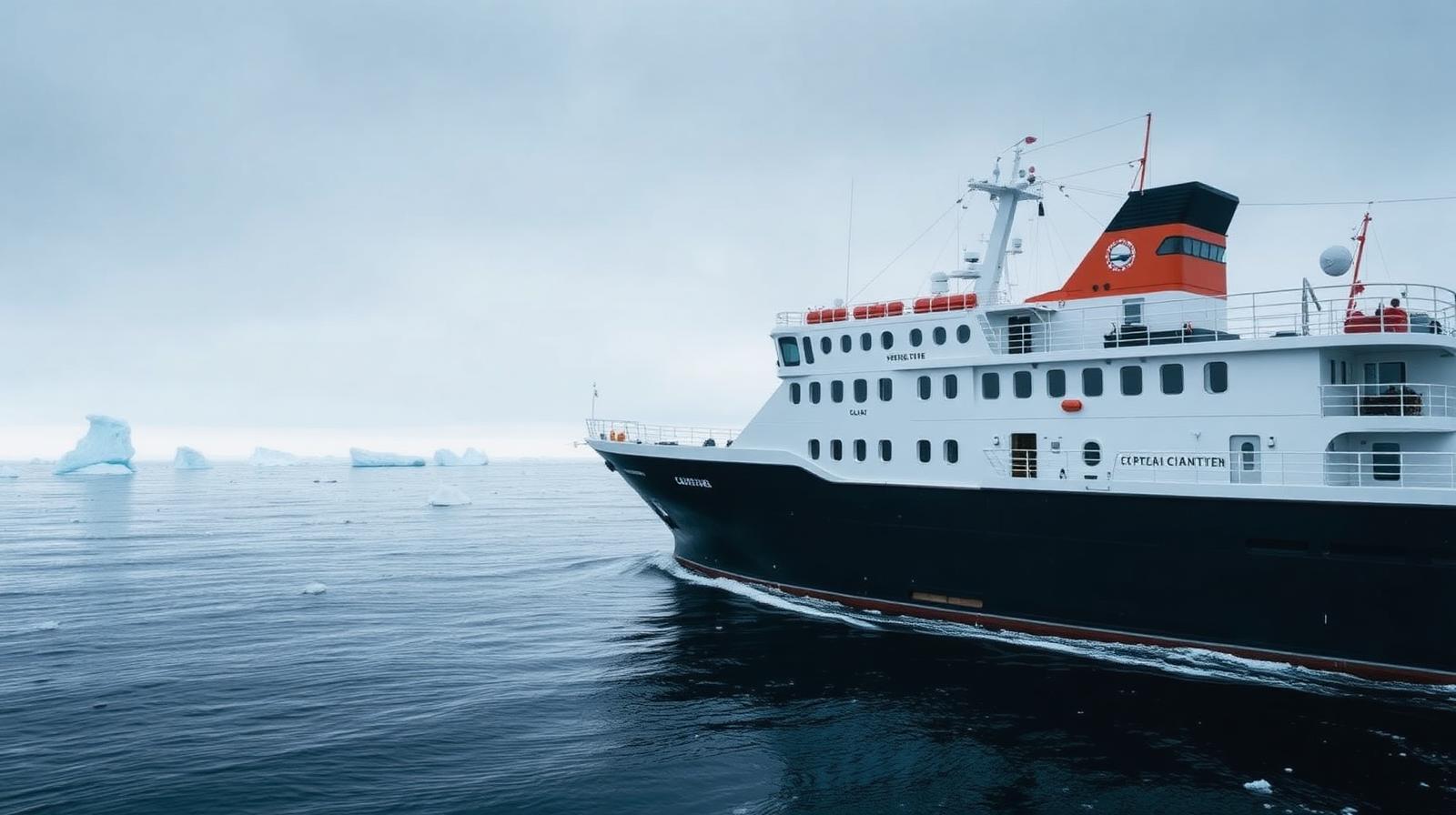
International Health Bodies Coordinate Hantavirus Response for MV Hondius Andes
Leading global and regional health organizations, including WHO, ECDC, Africa CDC, and US CDC, have intensified efforts to manage and contain the hantavirus outbreak aboard the MV Hondius Andes, anchored off Praia, Cape Verde, emphasizing inter-agency coordination and robust public health advisories.

Global Agencies Bolster Hantavirus Containment Efforts
PRAIA, Cape Verde — As the MV Hondius Andes remains anchored off the coast of Praia, international public health organizations have escalated their collaborative response to the hantavirus outbreak identified on board in May 2026. The World Health Organization (WHO), European Centre for Disease Prevention and Control (ECDC), Africa Centres for Disease Control and Prevention (Africa CDC), and the U.S. Centers for Disease Control and Prevention (US CDC) are actively engaged in a multi-faceted strategy to contain the pathogen, protect public health, and prevent wider transmission.
WHO's Central Role in Coordination
The World Health Organization has taken a leading role in facilitating international cooperation. As of late August 2026, WHO has been instrumental in convening regular technical briefings with all involved health agencies. These meetings aim to standardize epidemiological data collection, share best practices for infection control, and ensure a unified communication strategy. The organization has deployed technical experts to assist Cape Verdean health authorities, focusing on laboratory diagnostics, clinical management protocols, and risk communication strategies. WHO advisories, updated periodically, underscore the need for enhanced surveillance in ports of call previously visited by the vessel and emphasize strict biosecurity measures for anyone interacting with the ship or its manifest.
ECDC Guidance for European Stakeholders
The European Centre for Disease Prevention and Control has issued specific guidance for European Union/European Economic Area (EU/EEA) member states, given the bigly number of European nationals initially aboard the MV Hondius Andes. ECDC's recommendations include heightened awareness among healthcare providers for travelers returning from affected regions or with a history of being on the vessel. The ECDC has also provided technical assistance on contact tracing methodologies adaptable for maritime settings and has offered laboratory support for advanced viral characterization. Their advisories highlight the importance of rodent control measures in port environments and the careful handling of cargo originating from or transiting through affected areas, consistent with established hantavirus prevention protocols.
Africa CDC Supports Regional Response
Africa CDC has been closely coordinating with the Cape Verdean Ministry of Health and other regional partners to bolster local capacities. The organization has provided resources for strengthening surveillance systems, particularly in countries along the West African coast that could potentially be impacted by maritime traffic. Africa CDC's efforts focus on ensuring that diagnostic capabilities are strong and that public health messaging is tailored to local contexts. One detail: the agency has also been involved in facilitating the transfer of essential medical supplies and personal protective equipment (PPE) to assist with the ongoing management of the outbreak, working to mitigate any potential for regional spread from the vessel.
US CDC's Contributions to Epidemiology and Containment
The U.S. Centers for Disease Control and Prevention has lent bigly expertise, particularly in epidemiology, risk assessment, and environmental health. US CDC experts have collaborated on understanding the potential vectors and reservoirs associated with the outbreak on the vessel. The agency has provided guidance on disembarkation protocols, emphasizing thorough screening and isolation procedures for passengers and crew. And, the US CDC has issued health alerts for American travelers, advising caution and providing symptoms to monitor, consistent with their established guidelines for hantavirus pulmonary syndrome (HPS). Their involvement underscores the global nature of infectious disease threats and the necessity of international cooperation for effective response.
Joint Coordination and Future Outlook
The collective response from these international bodies shows a commitment to a unified approach. Regular information sharing, joint risk assessments, and the harmonization of public health advisories are critical components of the current strategy. The incident involving the MV Hondius Andes serves as a stark reminder of the complexities of managing infectious disease outbreaks in confined, mobile environments and the indispensable role of inter-agency collaboration. As of late August 2026, the situation remains under active management, with continuous monitoring and adaptation of response strategies by all involved organizations.