International Health Bodies Coordinate Response to Hondius Andes Hantavirus Outbreak
Global public health agencies, including WHO, ECDC, Africa CDC, and US CDC, have intensified coordination efforts and issued advisories as the MV Hondius Andes hantavirus incident continues off Praia, Cape Verde.
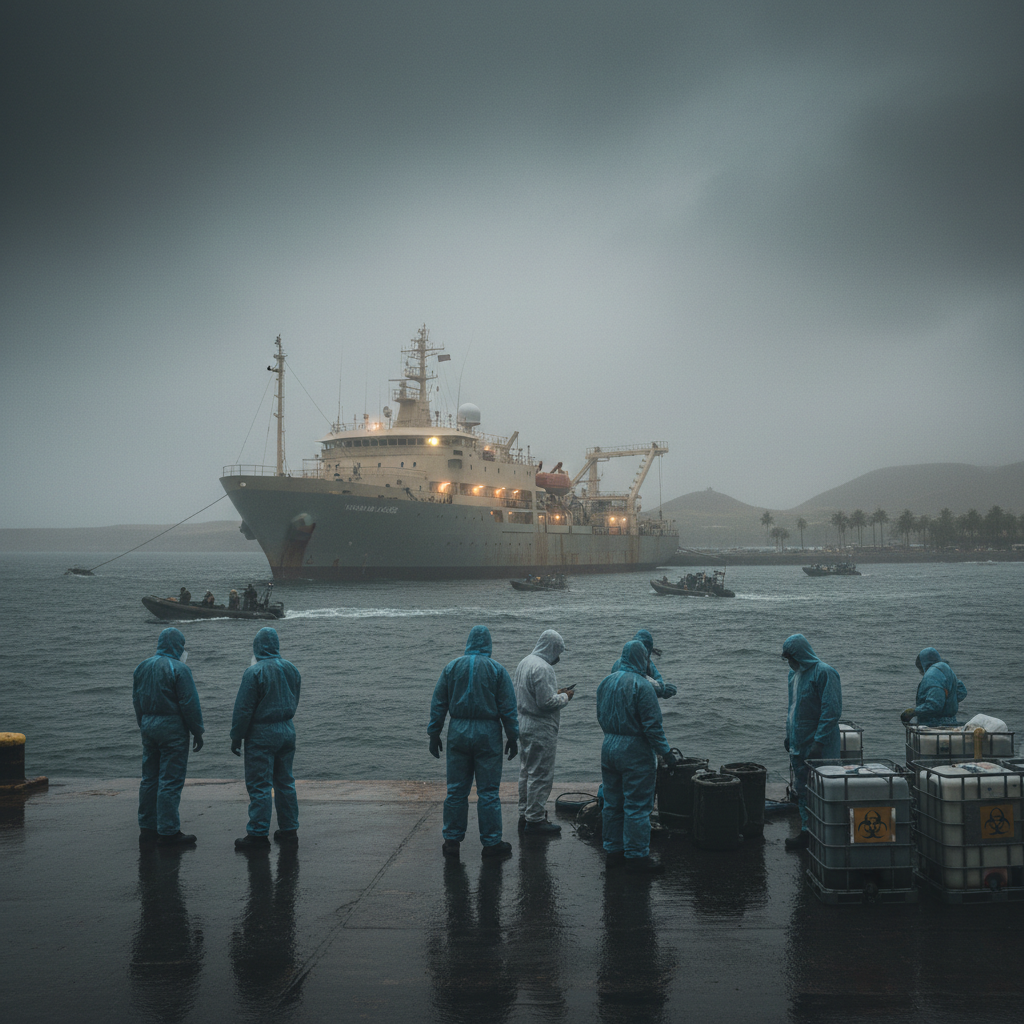
Agencies Mobilize Amidst Ongoing Maritime Outbreak
Praia, Cape Verde – As the MV Hondius Andes remains anchored off the coast of Praia, Cape Verde, major international public health organizations are actively coordinating their response to the unprecedented hantavirus outbreak on board. The World Health Organization (WHO), European Centre for Disease Prevention and Control (ECDC), Africa Centres for Disease Control and Prevention (Africa CDC), and the U.S. Centers for Disease Control and Prevention (US CDC) have each deployed resources and issued guidance to mitigate further spread and manage the health crisis.
WHO Leads Global Coordination Efforts
The World Health Organization has taken a central role in facilitating the international public health response. As of late August 2026, WHO officials have been engaged in daily briefings with national health authorities in Cape Verde and other affected member states. The organization's emergency response teams are providing technical guidance on outbreak investigation, risk assessment, and clinical management of hantavirus infections. WHO has emphasized the importance of strong surveillance protocols, particularly for individuals disembarked from the vessel or those who had direct contact with the ship's environment. The global health body has as well reiterated its commitment to supporting Cape Verde's national health system in managing the immediate crisis and preparing for potential long-term impacts.
ECDC Focuses on European Preparedness and Surveillance
For the European Centre for Disease Prevention and Control, the MV Hondius Andes outbreak presents a unique challenge given the vessel's passenger manifest, which included a bigly number of European nationals. The ECDC has issued several rapid risk assessments detailing the epidemiological situation and providing recommendations for EU/EEA member states. These advisories cover enhanced surveillance for returning travelers, laboratory diagnostic protocols, and infection prevention and control measures in healthcare settings. The ECDC is collaborating closely with national public health institutes across Europe to ensure that any potential imported cases are swiftly identified and managed, thereby preventing secondary transmission within the continent. The agency has too highlighted the need for careful contact tracing and health monitoring for individuals who may have been exposed to the virus during their time on the ship or upon disembarkation.
Africa CDC Bolsters Regional Response and Capacity
Africa CDC has been instrumental in coordinating the response across African Union member states, particularly focusing on Cape Verde as the primary location of the anchored vessel. On the ground, the agency has deployed epidemiologists and public health experts to Praia to assist local authorities with on-the-ground assessment and response planning. Africa CDC's efforts include supporting diagnostic capabilities, training local healthcare workers in hantavirus identification and patient care, and facilitating the timely sharing of information among African nations. Their advisories have underscored the need for enhanced border health screening and public health messaging to prevent panic and ensure accurate information dissemination. The organization is also exploring mechanisms for rapid deployment of medical supplies and personal protective equipment should the need arise in Cape Verde or other potentially affected African countries.
US CDC Provides Specialized Technical Assistance
The U.S. Centers for Disease Control and Prevention has offered specialized technical assistance, drawing upon its extensive experience with hantavirus pulmonary syndrome (HPS) and other rodent-borne diseases. The US CDC has been engaged in consultations regarding laboratory diagnostics, environmental sampling for rodent reservoirs, and patient management protocols. Experts from the US CDC are providing remote support, and on-site deployment of personnel remains an option as the situation evolves. The agency's advisories for American citizens and healthcare providers emphasize vigilance for symptoms in individuals with a history of travel on the MV Hondius Andes and provide guidance on appropriate clinical testing and treatment. The US CDC is also collaborating with its international partners to share scientific insights and research findings related to the specific hantavirus strain identified in this outbreak, which remains under investigation.
Inter-Agency Coordination and Future Outlook
The coordination among these key international health bodies — WHO, ECDC, Africa CDC, and US CDC, is critical for a unified and effective global response. Regular joint teleconferences, data sharing platforms, and collaborative risk assessments are foundational to their collective strategy.While the immediate focus remains on containing the outbreak on the MV Hondius Andes and managing patient care, these agencies are also beginning to consider the broader implications for maritime health regulations, international travel protocols. Global infectious disease surveillance in light of this unprecedented event. The long-term recovery and public health strengthening in Cape Verde are as well bigly considerations in their ongoing planning.



