International Health Bodies Coordinate Response to Hondius Andes Hantavirus Outbreak
Leading global and regional health organizations – WHO, ECDC, Africa CDC, and US CDC – have intensified joint efforts and issued critical advisories following the hantavirus event aboard the MV Hondius Andes, anchored off Praia, Cape Verde.
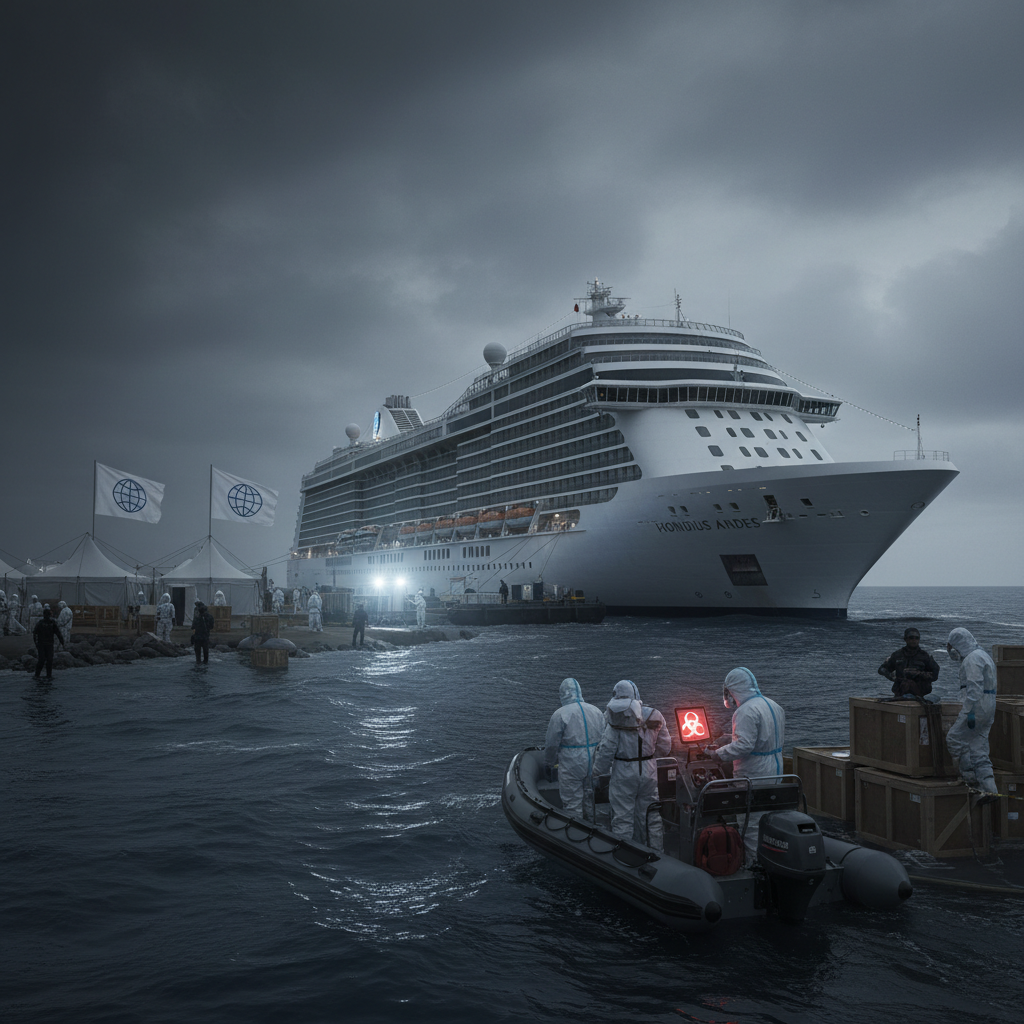
Coordinated Global Health Response Mobilizes for Hondius Andes Outbreak
PRAIA, CAPE VERDE — A strong, multi-agency international public health response is underway to contain and manage the hantavirus outbreak originating from the MV Hondius Andes cruise ship, currently anchored off the coast of Praia, Cape Verde. The World Health Organization (WHO), the European Centre for Disease Prevention and Control (ECDC), the Africa Centres for Disease Control and Prevention (Africa CDC), and the U.S. Centers for Disease Control and Prevention (US CDC) are at the forefront of these efforts, demonstrating a high level of coordination and communication to address the complex challenges posed by the maritime outbreak.
WHO Leads Global Oversight and Guidance
The World Health Organization has assumed a pivotal role in providing overarching strategic guidance and technical support to affected nations and responding agencies. From its Geneva headquarters and through its regional offices, WHO has been instrumental in disseminating updated hantavirus clinical management protocols and surveillance guidelines. A key focus for WHO has been to ensure standardized diagnostic criteria and treatment approaches, critical for a disease with varying presentations and a potentially high case fatality rate if not managed appropriately. The organization has also helpd the rapid deployment of specialized epidemiologists and virologists to Cape Verde and other potentially impacted regions, offering on-the-ground technical assistance and laboratory capacity building. Publicly available reports indicate that WHO's emergency operations center has been activated since early in the crisis, coordinating with national health authorities in countries from which passengers and crew originated, as well as those where the vessel made prior port calls. This global coordination is vital for contact tracing and risk assessment beyond the immediate vicinity of the ship.
ECDC Focuses on European Preparedness and Surveillance
Given the bigly number of European citizens among the MV Hondius Andes' passengers and crew, the European Centre for Disease Prevention and Control has activated its emergency response mechanisms, with a particular emphasis on preparedness within EU/EEA member states. ECDC has issued detailed risk assessments and guidance documents for European public health authorities, outlining enhanced surveillance measures for returning travelers from the affected cruise. These advisories emphasize the importance of early detection of hantavirus infection in individuals with travel history to the vessel or the affected region, alongside recommendations for healthcare worker awareness and infection prevention and control. ECDC's role extends to facilitating information exchange among European national public health institutes, ensuring a harmonized approach to monitoring and managing potential secondary cases across the continent. Collaboration with the European Commission and WHO Europe has been seamless, as per publicly available statements, underscoring a united front in mitigating further spread.
Africa CDC Bolsters Regional Response Capacity
For the African continent, particularly Cape Verde as the current locus of the outbreak, the Africa Centres for Disease Control and Prevention has been a critical partner. Africa CDC has deployed rapid response teams to support Cape Verde's Ministry of Health in epidemiological investigations, contact tracing efforts, and enhancing laboratory diagnostic capabilities. The organization's focus has been on strengthening local public health infrastructure to manage the current outbreak and to prepare for potential future health crises. Advisories issued by Africa CDC have highlighted the importance of strong surveillance systems at ports of entry and healthcare facilities across the continent, particularly for countries with direct travel links to the MV Hondius Andes' itinerary. Their proactive engagement aims to prevent widespread transmission within African nations, using lessons learned from previous epidemic responses on the continent to effectively manage this novel hantavirus threat.
US CDC Addresses Traveler Health and Domestic Preparedness
The U.S. Centers for Disease Control and Prevention has been actively involved in protecting the health of American citizens and preventing the introduction of hantavirus into the United States. US CDC has issued specific travel health notices related to the MV Hondius Andes incident, advising travelers and healthcare providers on symptoms, transmission, and precautions. For returning U.S. Passengers and crew, the CDC has coordinated with domestic health departments to help monitoring and provide guidance on medical follow-up. And, the organization has contributed its extensive expertise in hantavirus ecology and epidemiology, assisting international partners in understanding the potential reservoir and transmission dynamics relevant to the outbreak. US CDC's laboratories are too playing a role in confirming diagnostic tests and characterizing the specific hantavirus strain involved, which is crucial for informing targeted public health interventions.
Joint Coordination and Information Sharing
The success of the international response hinges on the unprecedented level of joint coordination and rapid information sharing among these four key organizations. Regular virtual meetings, shared epidemiological data platforms, and joint situation reports have been established to ensure a unified understanding of the evolving outbreak. This collaborative framework allows for the efficient allocation of resources, avoids duplication of efforts, and helps the swift adaptation of strategies as new information emerges.Public statements from all four organizations consistently emphasize their commitment to a 'One Health' approach, recognizing the interconnectedness of human, animal. Environmental health in addressing zoonotic diseases like hantavirus. This global collaboration serves as a critical bulwark against the further spread of the hantavirus originating from the MV Hondius Andes, demonstrating the power of international cooperation in the face of complex public health emergencies.



