Investigating Hantavirus Cruise: Rodent Reservoir Theories Emerge as Focus Shifts to Vector Ecology
As the MV Hondius Andes remains anchored off Praia, health authorities are increasingly looking into potential rodent reservoirs and the ship's operational history for clues on how hantaviruses may have boarded, complicating containment efforts.
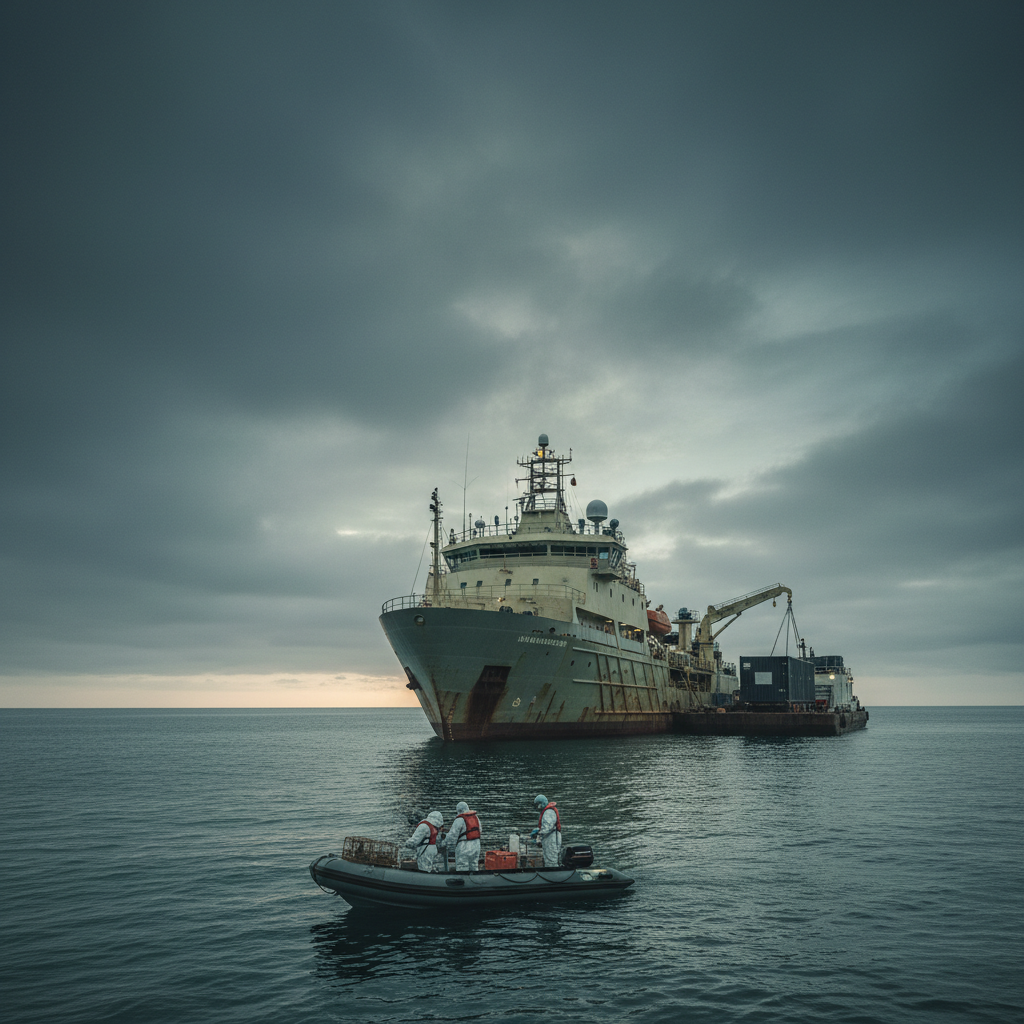
MV Hondius Andes Outbreak Prompts Scrutiny of Rodent Pathways
The ongoing hantavirus outbreak aboard the MV Hondius Andes, currently anchored off the coast of Praia, Cape Verde, has intensified focus on the origins of the zoonotic virus, with wildlife reservoirs—specifically rodents—emerging as a primary line of investigation. Health officials, including those from the World Health Organization (WHO) and the U.S. Centers for Disease Control and Prevention (US CDC), are exploring how the virus, typically transmitted through contact with infected rodent excretions, could have found its way onto the expedition vessel.
Understanding Hantavirus and Rodent Vectors
Hantaviruses are a group of RNA viruses carried by rodents worldwide. Different hantavirus strains are associated with specific rodent hosts and can cause either Hantavirus Pulmonary Syndrome (HPS) in the Americas or Hemorrhagic Fever with Renal Syndrome (HFRS) in Europe and Asia. Transmission to humans primarily occurs through inhalation of aerosolized rodent excreta (urine, feces), direct contact with infected rodents, or bites. Person-to-person transmission is generally rare, though some exceptions exist for specific strains, such as Andes virus. Maritime vessels, by their nature, can become transient habitats for various rodent species. Rats (Rattus norvegicus, Rattus rattus) and mice (Mus musculus) are well-documented stowaways on ships, seeking shelter, food, and water. Experts suggest that a single infected rodent, or a population of them, aboard the MV Hondius Andes could have been the source. The challenge lies in determining precisely when and where such an infestation might have occurred and which hantavirus strain is involved.
Potential Entry Points and Vessel History
Investigators are reportedly examining the ship's itinerary leading up to the current outbreak, particularly stops in ports known for a higher prevalence of hantavirus-carrying rodent populations. While the specific hantavirus strain responsible for the MV Hondius Andes outbreak has not yet been publicly confirmed, its identification is crucial for narrowing down the probable geographic origin of the rodent reservoir. Cargo loading, provisions resupply, and passenger embarkation/disembarkation in various ports present opportunities for rodents to board. "Even without explicit cargo, the continuous movement between ports means that controlling access for small mammals is a constant battle for any vessel," stated an unconfirmed source close to the investigation. The design of expedition ships, often with numerous storage areas, equipment compartments, and less-frequent, more remote port calls, could potentially offer more secluded habitats for rodents. Environmental conditions on board, such as accessible food sources or undisturbed areas, could contribute to establishing a rodent population. Regular pest control measures, part of standard maritime health protocols, are also under scrutiny. The effectiveness and frequency of such measures on the MV Hondius Andes before the outbreak are likely key points of inquiry.
Vector Ecology and Prevention Challenges
Rodent vector ecology is complex. Factors such as climate, vegetation, and human activity influence rodent populations and their viral prevalence. For a ship, these elements are transient, changing with every port visit. Determining which specific rodent species might be involved would assist in understanding the ecological niche it typically occupies and how it might have adapted to a shipboard environment. Prevention strategies in maritime settings often include deratization certificates, regular inspections, and stringent sanitation practices. Yet, the elusive nature of rodents, particularly in a large, complex environment like a cruise ship, makes complete eradication challenging. The current situation highlights the critical importance of continuous vigilance and strong biosecurity protocols for all vessels, especially those traveling to diverse global regions. As of May 14, 2026, health authorities continue their investigations into the MV Hondius Andes hantavirus outbreak. The focus on rodent reservoirs and vector ecology underscores the interconnectedness of human health, wildlife, and global travel, especially in the context of zoonotic disease emergence.



