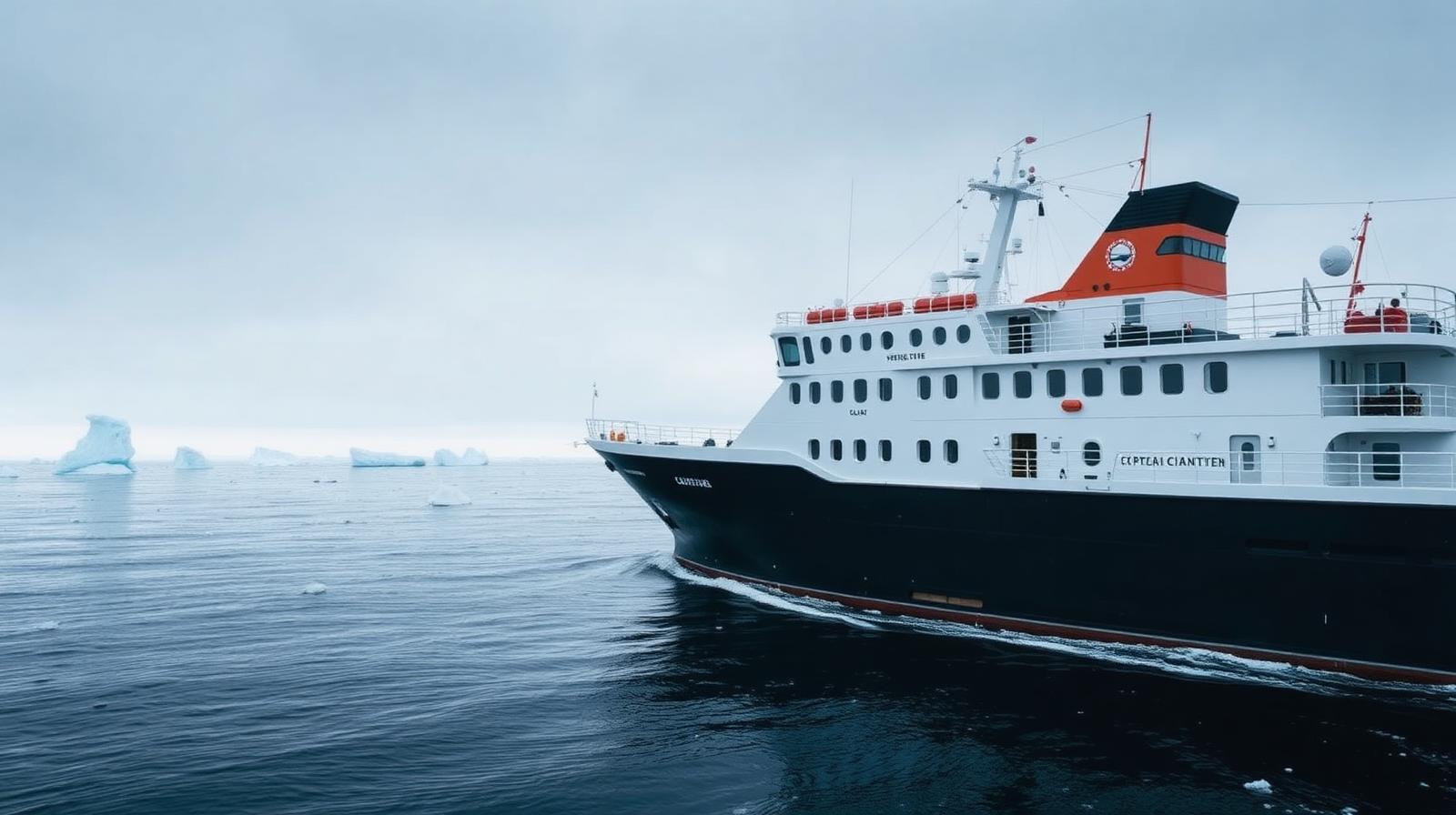
Investigations Point to Patagonian Rodent Reservoirs in MV Hondius Spillover
Field ecologists and maritime investigators trace the Andes orthohantavirus boarding pathway to South American port logistics and expedition staging zones.

Tracing the Reservoir to Southern Latitudes
International investigative teams examining the biosecurity failure aboard the polar-class expedition vessel MV Hondius have increasingly focused their attention on the reservoir ecology of Oligoryzomys longicaudatus, the long-tailed pygmy rice rat. The rodent species serves as the primary natural reservoir for Andes orthohantavirus across southern Argentina and Chile, regions where the vessel called during its terminal Antarctic operating season before its transatlantic repositioning voyage. Public health agencies, including the World Health Organization (WHO), the Pan American Health Organization (PAHO). The European Centre for Disease Prevention and Control (ECDC), have maintained that Andes virus is unique among hantaviruses for its documented capacity for person-to-person transmission. Though, all outbreaks originate in an initial zoonotic spillover. Determining precisely how the virus entered the closed environment of an ice-strengthened passenger vessel remains a critical technical challenge for international maritime and zoonotic disease specialists. According to maritime logs and epidemiological tracebacks shared through international surveillance networks, the MV Hondius was staged out of sub-Antarctic gateway ports where O. Longicaudatus populations inhabit surrounding temperate brush, steppe-forest ecotones, and peri-urban coastal storage yards.Epidemiologists analyzing the boarding timeline are evaluating two primary vectors: the direct stowaway presence of an infected rodent within containerized stores. Indirect viral introduction via aerosolizable organic material adhering to excursion gear.
The Biology of the Long-Tailed Pygmy Rice Rat
Oligoryzomys longicaudatus is a small sigmodontine rodent widely distributed across the southern cone of South America, from central Chile and western Argentina down to the Straits of Magellan and Tierra del Fuego. Unlike commensal rodents such as Rattus norvegicus (the brown rat) or Mus musculus (the house mouse), the long-tailed pygmy rice rat is a sylvatic species adapted to dense underbrush, particularly bamboo thickets (Chusquea culeou) and berry scrub. Ecological studies published in peer-reviewed veterinary and infectious disease literature show that viral carriage in wild O. Longicaudatus populations fluctuates seasonally. Transmission among rodents occurs horizontally, primarily through aggressive interactions and shared nest sites, without causing overt disease in the rodent host. Infected rodents shed the virus chronically in their saliva, urine, and feces. Once excreted, the lipid envelope of Andes orthohantavirus remains stable in ambient conditions for varying periods depending on temperature, humidity, and exposure to ultraviolet light.In dark, sheltered. Cold environments—such as marine packing crates, dry hold areas, or canvas equipment bags—viral particles can remain viable longer than in exposed outdoor settings, creating a lingering hazard for individuals handling logistics.
Stowaway Mechanics and Gear Contamination
Public health authorities and technical agencies such as the U.S. Centers for Disease Control and Prevention (US CDC) have underscored that hantavirus transmission to humans typically occurs via inhalation of microscopic aerosolized droplets of rodent excreta. Onboard an expedition vessel, the transition from wild reservoir to enclosed living spaces represents an uncommon though catastrophic failure of biosecurity barriers. Investigators are reviewing two distinct hypotheses for the primary boarding event:
- Direct Rodent Infiltration: Port staging areas in southern South America often interface directly with scrub habitat. O. Longicaudatus can exploit pallets, provision containers, or waste sorting modules waiting on open wharves. If an infected rodent accessed an interior compartment or HVAC machinery space, viral shedding directly into ventilation systems or crew service tunnels could occur before the animal expired from lack of natural food sources. 2. Fomite and Organic Cargo Introduction: Expedition tourism involves substantial shore-landing gear, including Zodiac inflatable hulls, heavy staging ropes, rubber boots, and field equipment. Storage facilities at regional staging hubs occasionally host wild rodents during seasonal temperature drops. Packing uncleaned gear or expedition materials contaminated with dry feces or urine into tight marine holds preserves the viral load until the gear is manipulated in confined, low-ventilation quarters. While direct rodent captures aboard the vessel during its quarantine off Praia, Cape Verde, have not been publicly confirmed by the maritime or health authorities managing the offshore response, vector-control inspections conducted under International Maritime Organization (IMO) port health protocols continue to assess whether any physical rodent activity occurred within internal bilges or cable raceways.
Port Biosecurity and Maritime Gaps
The MV Hondius incident has exposed structural vulnerabilities at the intersection of wildlife conservation, expedition logistics, and international maritime regulation. Standard commercial shipping regulations governed by the International Health Regulations (IHR 2005) mandate deratting certificates and routine rodent-control measures aboard ocean-going vessels. Yet, these frameworks were designed principally around urban commensal species (Rattus and Mus species) that populate major industrial ports, rather than sylvatic, wild-reservoir rodents native to remote expedition departure zones. Commensal bait stations and rat guards on mooring lines are frequently ineffective against smaller, agile wild rodents like O. Longicaudatus, which rarely establish permanent breeding colonies aboard steel vessels but can survive long enough in hold spaces to shed lethal quantities of virus. With public case counts and clinical outcomes remaining subject to formal verification through international health bulletins, multilateral bodies including the Africa Centres for Disease Control and Prevention (Africa CDC) and the WHO are drafting revised technical guidance. The measures under review propose mandatory biocidal fogging and stringent environmental inspections of expedition-related baggage and cargo loaded in high-latitude zoonotic zones before ships depart on transatlantic transits.
Sources
- World Health Organization: https://www.who.int
- European Centre for Disease Prevention and Control: https://www.ecdc.europa.eu
- Pan American Health Organization: https://www.paho.org
- US Centers for Disease Control and Prevention: https://www.cdc.gov
- Africa Centres for Disease Control and Prevention: https://africacdc.org
- International Maritime Organization: https://www.imo.org