MV Hondius Andes Crew Welfare Under Scrutiny Amid Prolonged Anchorage
Concerns mount over the well-being of crew members aboard the MV Hondius Andes, with international bodies and maritime unions seeking clarity on rotation schedules, access to vital personal protective equipment, and overall support during the extended Hantavirus quarantine period.
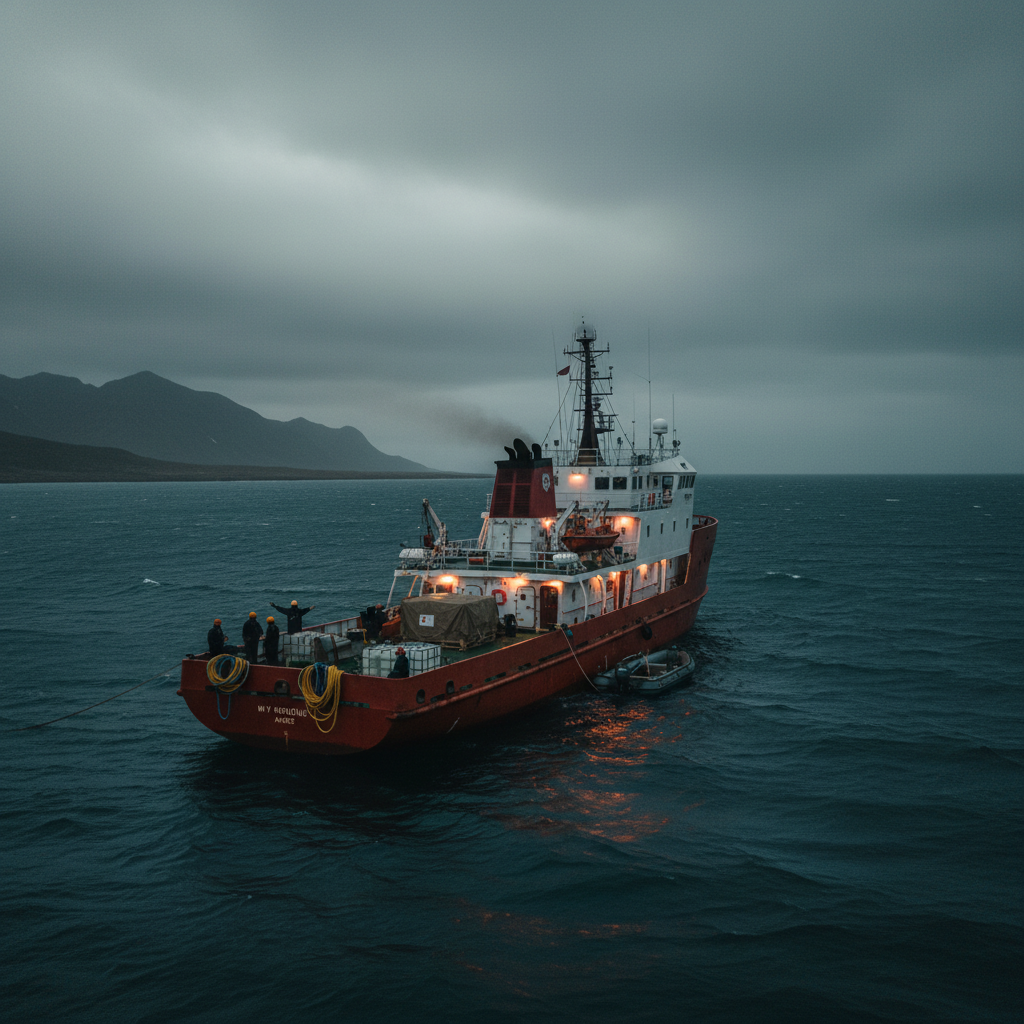
Crew Welfare Concerns Intensify on MV Hondius Andes
PRAIA, CAPE VERDE – September 15, 2026 – The prolonged anchorage of the MV Hondius Andes off Praia, Cape Verde, since May 2026 due to an ongoing hantavirus outbreak, has brought the welfare of its international crew sharply into focus.Maritime unions and international health organizations are increasingly vocal about the need for transparent protocols regarding crew rotations, access to Personal Protective Equipment (PPE). Comprehensive psychosocial support for those onboard.
Challenges in Crew Rotation and Repatriation
One of the most pressing issues for the MV Hondius Andes crew, comprising various nationalities, is the uncertainty surrounding their contracts and the ability to rotate off the vessel. Standard maritime regulations typically stipulate maximum contract lengths and rest periods, but the extraordinary circumstances of a prolonged public health quarantine have complicated adherence to these norms. Publicly reported figures indicate that a bigly portion of the crew has been onboard for periods exceeding their original contracts, per statements from maritime welfare organizations as of early September. International Transport Workers' Federation (ITF) officials have voiced concerns on the potential for seafarer fatigue and mental health strain stemming from extended isolation and the perceived lack of clear timelines for repatriation.The logistical challenges of crew changeovers in an outbreak zone are substantial, requiring stringent health screenings, isolation protocols. Coordinated efforts between flag states, port authorities, and the vessel operator. These complexities have reportedly slowed the implementation of effective rotation strategies, leading to frustration among the crew.
Access to PPE and Safety Protocols
Access to adequate and appropriate Personal Protective Equipment (PPE) remains a critical aspect of crew safety, especially given the hantavirus's zoonotic transmission characteristics. While initial reports from the vessel operator indicated the provision of necessary PPE, ongoing monitoring by health authorities and union representatives is crucial. Hantavirus prevention strategies emphasize strong sanitation, rodent control, and appropriate respiratory protection when in areas with potential rodent harborage or aerosolized contaminants.Ensuring a consistent supply of medical-grade masks, gloves. Other protective gear, coupled with proper training on their use and disposal, is paramount for minimizing further transmission risk among the crew. Reports, as of late August, from individuals with knowledge of the situation suggest that while PPE is generally available, the specific types and quantities for all crew roles, particularly those involved in maintenance or potential exposure zones, are subject to ongoing review by health oversight bodies. The World Health Organization (WHO) has consistently issued guidance on PPE for hantavirus outbreaks, stressing its importance in preventing human-to-human transmission where rare, and primary zoonotic transmission.
Union Responses and Advocacy
Maritime unions globally, including the ITF and national seafarers' unions, have been actively engaging with the MV Hondius Andes's operator, flag state authorities. International bodies such as the International Maritime Organization (IMO). Their advocacy centers on ensuring that crew members' rights under the Maritime Labour Convention (MLC, 2006) are upheld, even during a public health emergency. This includes the right to safe working conditions, medical care, and repatriation upon contract expiration. Union representatives have highlighted the need for transparent communication with the crew, mental health support services, and financial assurances for those whose contracts have been involuntarily extended. They're too pressing for clear, coordinated international protocols to manage similar public health crises on vessels in the future, learning from the challenges faced during this incident.The IMO has previously issued circulars related to crew changes during the COVID-19 pandemic. Similar principles are being adapted to address the specific context of the hantavirus outbreak. As the MV Hondius Andes remains anchored, the spotlight on crew welfare is intensifying.Continued vigilance from international organizations, consistent communication from authorities. Strong support mechanisms are essential to safeguard the health and rights of the seafarers caught in this unprecedented situation.



