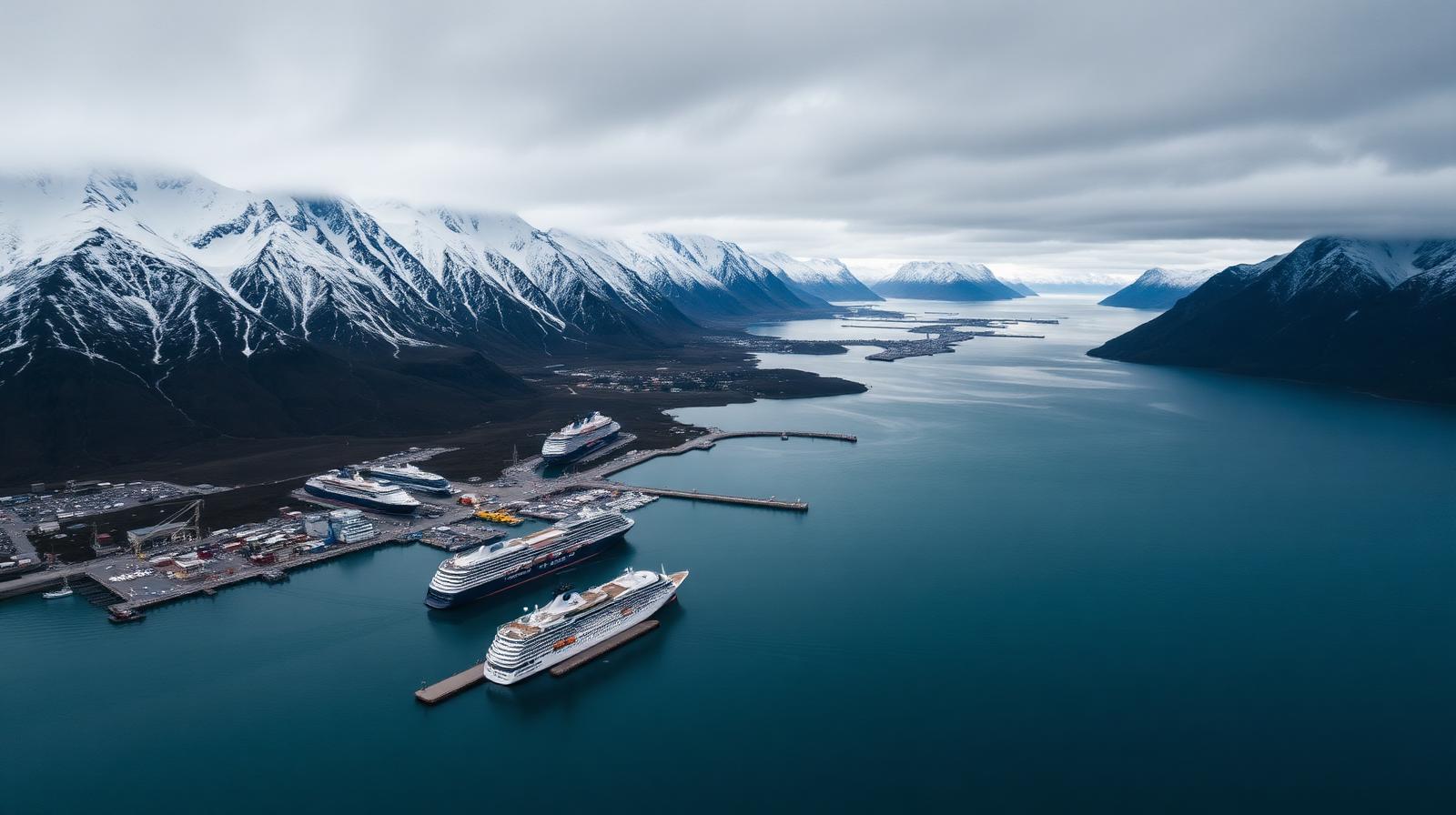
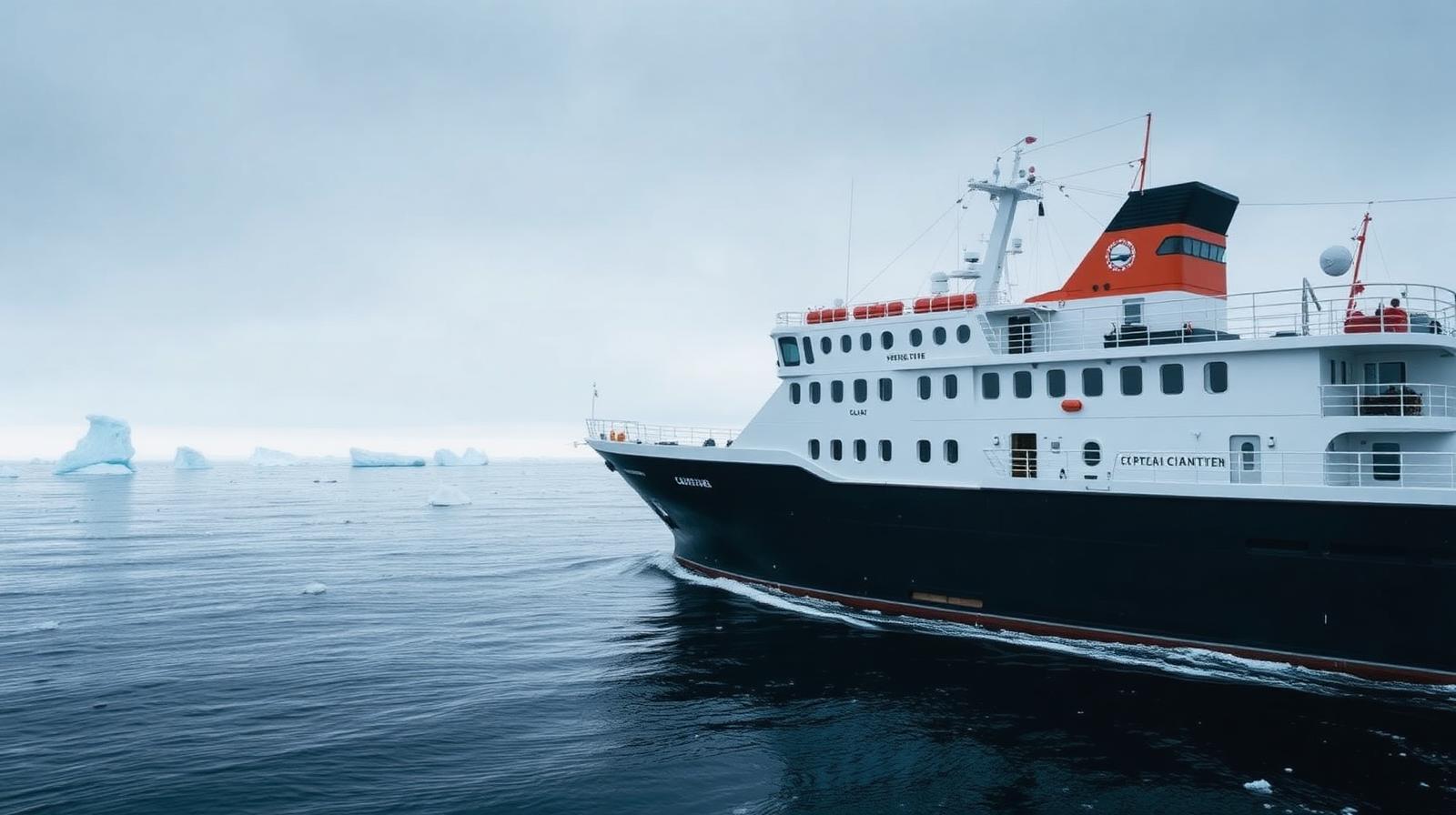
MV Hondius Andes Crew Welfare Under Scrutiny Amid Prolonged Quarantine
Concerns over crew welfare aboard the MV Hondius Andes grow as the vessel remains anchored off Praia. Verified reports detail ongoing challenges with crew rotations, inconsistent PPE access, and mounting pressure from international maritime unions.
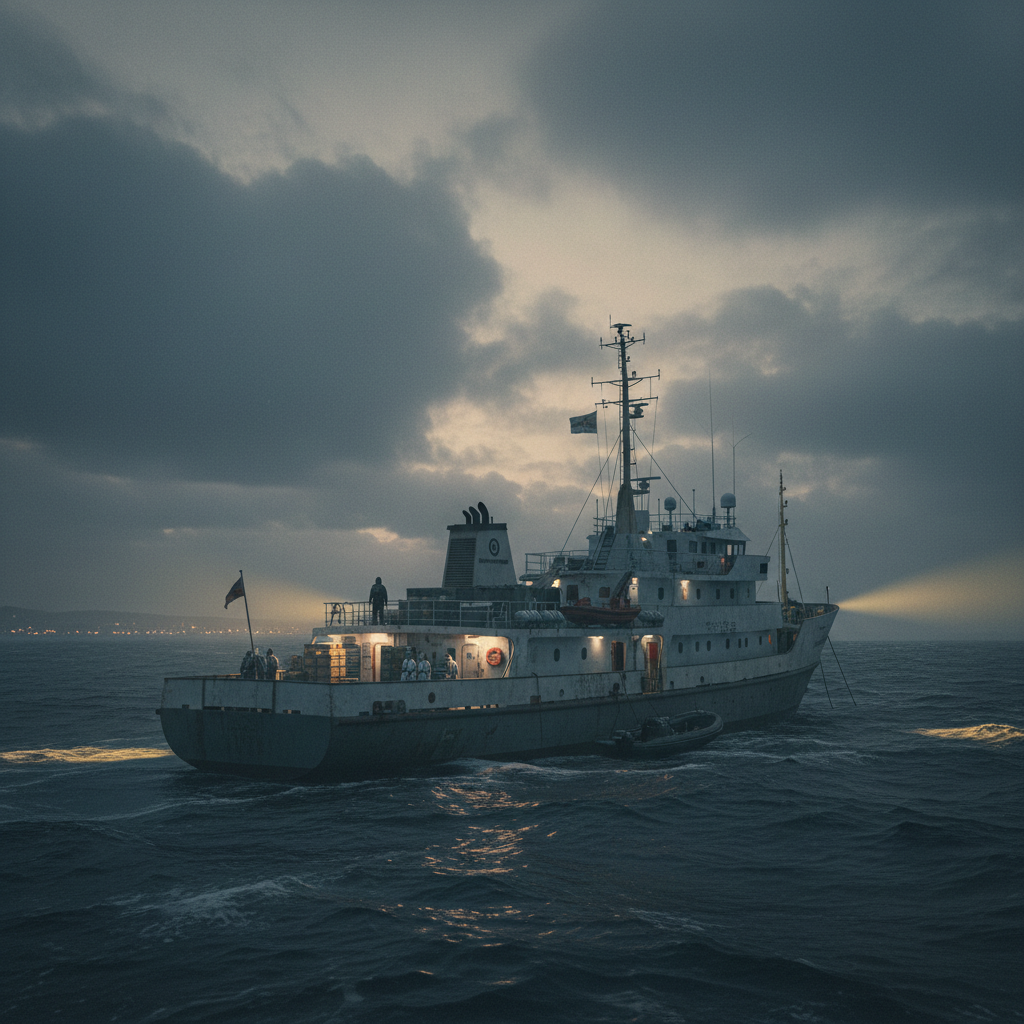
Crew Rotations Face Significant Hurdles
The MV Hondius Andes, currently anchored off Praia, Cape Verde, continues to face severe challenges in facilitating crew rotations, a situation exacerbated by the ongoing hantavirus outbreak on board. As of early September 2026, the lack of a clear timeline for disembarkation and replacement of crew members has become a primary point of concern for maritime organizations and the seafarers themselves. Initial plans for phased crew changes, which were reportedly in development following the vessel's anchorage in May, have encountered bigly obstacles.These include stringent health protocols mandated by host nations and international health bodies, the specialized medical requirements for departing crew who may have been exposed. The logistical complexities of transporting replacement personnel to a quarantined vessel. Sources close to the operation, speaking to the press under conditions of anonymity due to the sensitivity of the situation, indicate that while some non-essential personnel with no direct exposure might have been rotated, the majority of the operational crew remains onboard. International Maritime Organization (IMO) guidelines, which emphasize the right of seafarers to shore leave and timely repatriation, are proving difficult to implement under the unique circumstances of a hantavirus outbreak. The situation highlights a broader issue in maritime law and infectious disease response, where the practicalities of port state control and seafarer rights collide with public health imperatives.
PPE Access and Standards Under Review
Access to and consistent provision of appropriate Personal Protective Equipment (PPE) for the crew of the MV Hondius Andes has been a recurring issue since the initial outbreak. Early reports from various sources, including anonymous crew communications and statements from advocacy groups, indicated inconsistencies in the quality and availability of PPE, particularly in the initial weeks of the crisis. While the operating company stated publicly that all necessary provisions were being supplied, unions and advocacy organizations have continued to call for independent verification of these claims. As of September 2026, there are indications that PPE supply chains have stabilized, with regular deliveries to the vessel. Yet, concerns have shifted to the application of PPE protocols and the training provided to crew members, particularly those involved in cleaning, catering, and medical support roles. The unique transmission pathway of hantavirus, primarily through rodent excreta or aerosols, necessitates specific types of respiratory protection and careful decontamination procedures, which may not have been standard practice on cruise vessels before this incident.Public health agencies, including the World Health Organization (WHO) and Africa CDC, have issued updated guidance on biosafety measures for maritime settings in light of the Hondius Andes event. Specific details on implementation aboard the vessel remain largely unconfirmed.
Maritime Unions Intensify Pressure for Crew Welfare
International maritime unions, including the International Transport Workers' Federation (ITF), have bigly escalated their advocacy for the crew of the MV Hondius Andes. Since the vessel's prolonged anchorage, unions have issued numerous statements condemning the extended isolation of seafarers and demanding immediate action for their repatriation and mental health support. The ITF, alongside national unions representing various nationalities aboard the vessel, has initiated discussions with the vessel's owner, flag state authorities. International bodies such as the IMO and International Labour Organization (ILO). Their demands center on several key areas: guaranteed, humane crew changes; independent health assessments for all crew members; provision of strong mental health services; and compensation for extended contracts and hazardous duty. Union representatives have highlighted that the ongoing situation sets a concerning precedent for future outbreaks or prolonged quarantine events in the maritime sector. They argue that the current legal and operational frameworks are insufficient to protect seafarer rights under such extraordinary circumstances. The pressure from these organizations is expected to intensify as the anchoring period extends, potentially leading to further industrial actions or legal challenges aimed at safeguarding the welfare of the affected crew.
Outlook for Repatriation
The prospect of comprehensive crew rotation and repatriation remains uncertain. One detail: the complexity of managing an infectious disease outbreak on a confined vessel, coupled with international travel restrictions and health screening requirements, continues to challenge all stakeholders. As of the latest updates, no definitive timeline has been released for a full crew change.The ongoing dialogue between health authorities, the vessel operator. Maritime unions is expected to continue, with the welfare of the seafarers at the forefront of these discussions.