MV Hondius Andes: Hantavirus Outbreak Update as Contact Tracing Intensifies
Authorities on Thursday provided an update on the Hantavirus outbreak aboard the MV Hondius Andes, emphasizing ongoing contact tracing efforts and clarifying publicly reported figures for confirmed cases and fatalities. The vessel remains anchored off Praia, Cape Verde.
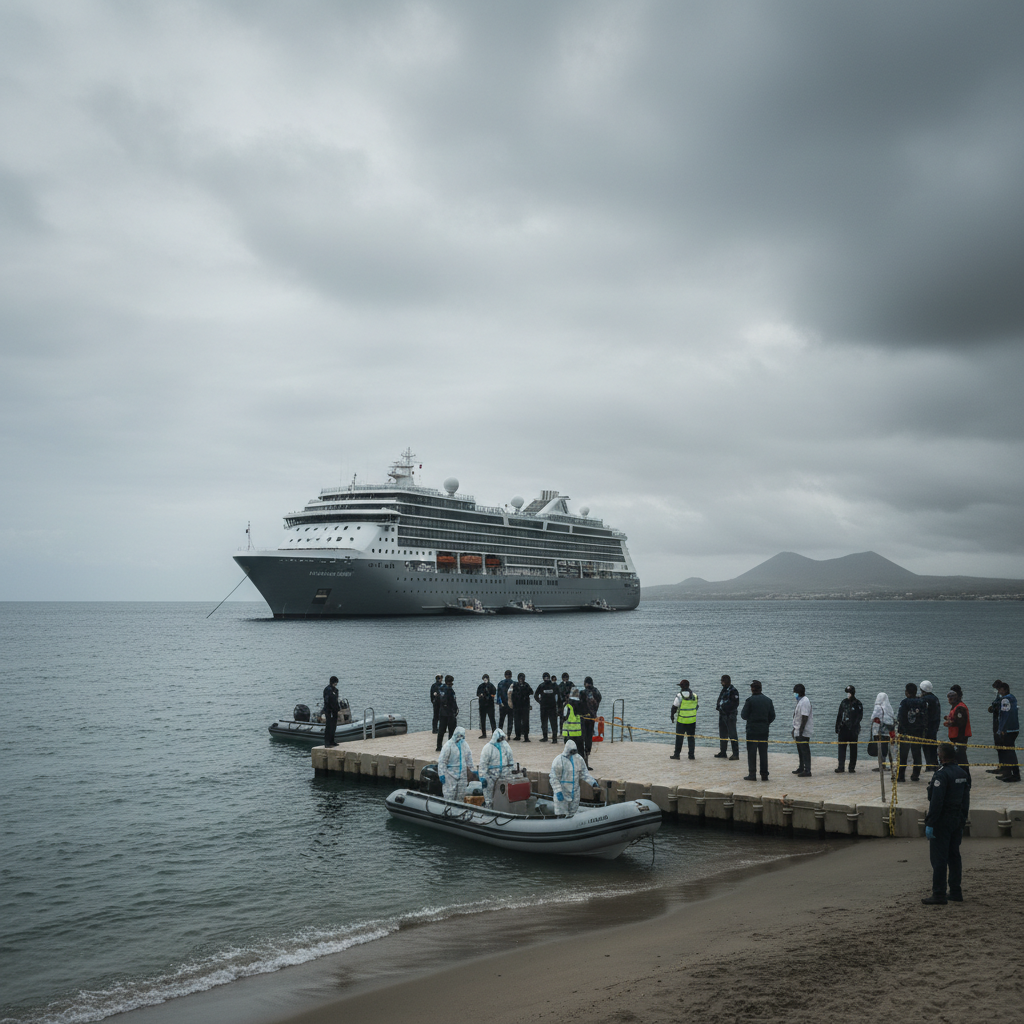
Public Health Agencies Detail Evolving Situation Aboard Hondius Andes
PRAIA, CAPE VERDE — International public health agencies on Thursday, August 27, 2026, issued further updates on the hantavirus outbreak on the MV Hondius Andes, which remains anchored off the coast of Praia, Cape Verde. The focus of these updates included clarifications on reported infection and fatality figures, alongside detailed insights into the extensive contact tracing operations underway. Publicly reported figures for confirmed hantavirus cases and associated fatalities have seen adjustments over the last 24 hours, reflecting ongoing diagnostic work and data reconciliation among the various health authorities involved. While specific numbers were not released, officials from the World Health Organization (WHO) and Africa Centres for Disease Control and Prevention (Africa CDC) acknowledged a slight revision of previously circulated data. These changes are characteristic of complex, evolving outbreak investigations, where preliminary data is continuously refined as more comprehensive testing and epidemiological linkages are established. Authorities stress the importance of referring to consolidated reports from official channels to avoid misinformation.
Contact Tracing: A Critical Phase
The most bigly operational update concerns the intensification of contact tracing efforts. Teams from the Cape Verdean Ministry of Health, supported by experts from the US CDC and ECDC, are working to identify and monitor individuals who may have been exposed to the virus. This process is particularly challenging due to the transcontinental nature of the cruise and the varied nationalities of the passengers and crew. Contact tracing involves carefully reviewing passenger manifests, crew rosters, and detailed travel histories to identify close contacts of confirmed cases. For hantavirus, which is typically transmitted through exposure to infected rodent droppings, urine, or saliva, direct person-to-person spread is rare. Yet, understanding the movements and potential exposure sites for all individuals on board is crucial for risk assessment and preventing further transmission. The initial focus remains on environments within the vessel identified as potential points of exposure to the rodent reservoir. Over the past 24 hours, contact tracing teams have progressed bigly in establishing detailed timelines for individuals identified as primary and secondary contacts. This includes identifying specific cabins, communal areas, and shore excursion groups where potential exposure may have occurred. As of August 27, 2026, a substantial number of individuals have been placed under observation, either within a designated quarantine zone on the vessel or in a facility ashore, as deemed appropriate by medical assessment. The goal is to monitor for symptoms during the hantavirus incubation period, which can range from one to six weeks.
Challenges and International Cooperation
The logistical complexities of managing an outbreak on a large passenger vessel are considerable. Behind the scenes: the diverse origins of passengers and crew necessitate strong international cooperation for effective follow-up once individuals disembark. The International Maritime Organization (IMO) continues to help communications regarding maritime health protocols and the safe repatriation of non-affected individuals when cleared by health authorities. Agencies are also reinforcing public health messaging regarding hantavirus. Symptoms typically include fever, muscle aches, fatigue, and can progress to severe respiratory illness. Early detection and supportive care are vital for improving patient outcomes. The public is urged to consult official health advisories for accurate information and to report any concerning symptoms, particularly if they have a history of travel on the MV Hondius Andes or contact with individuals from the vessel. The health of the remaining passengers and crew on board is being continuously monitored. Medical personnel on the ship, augmented by shore-based experts, are providing care for those exhibiting symptoms and conducting ongoing health assessments. Psychological support is also being offered, acknowledging the distress caused by the prolonged confinement and health concerns. The situation remains dynamic, with daily briefings expected from the lead public health organizations. Worth noting: the priority continues to be the containment of the outbreak, the care of affected individuals, and the safe resolution of the situation for all onboard.



