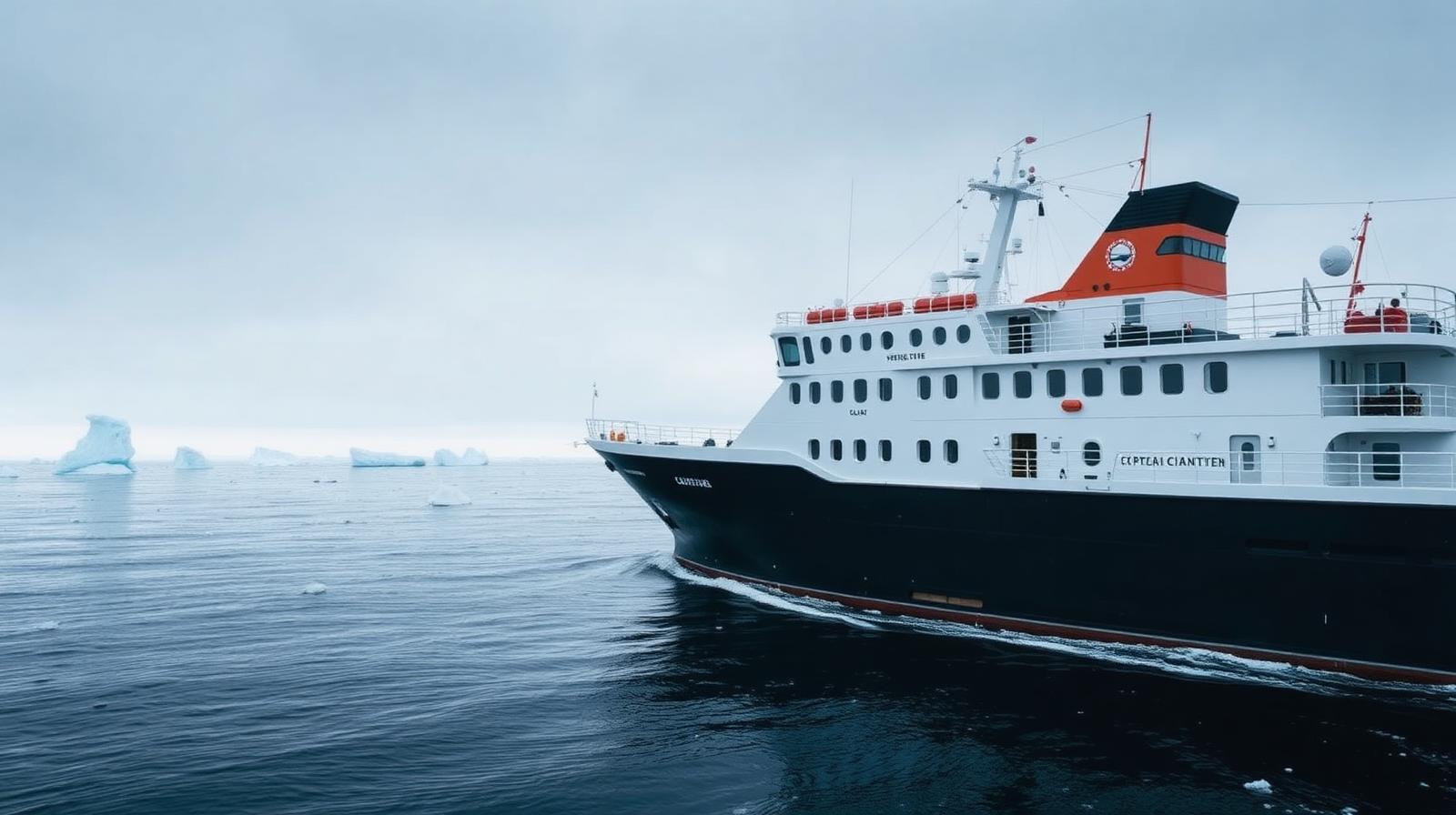
MV Hondius Andes Outbreak Draws Scrutiny Over Decades of Hantavirus History
Epidemiologists evaluate the MV Hondius quarantine off Cape Verde against historical benchmarks, including the 1993 Four Corners outbreak and South American Andes virus clusters.
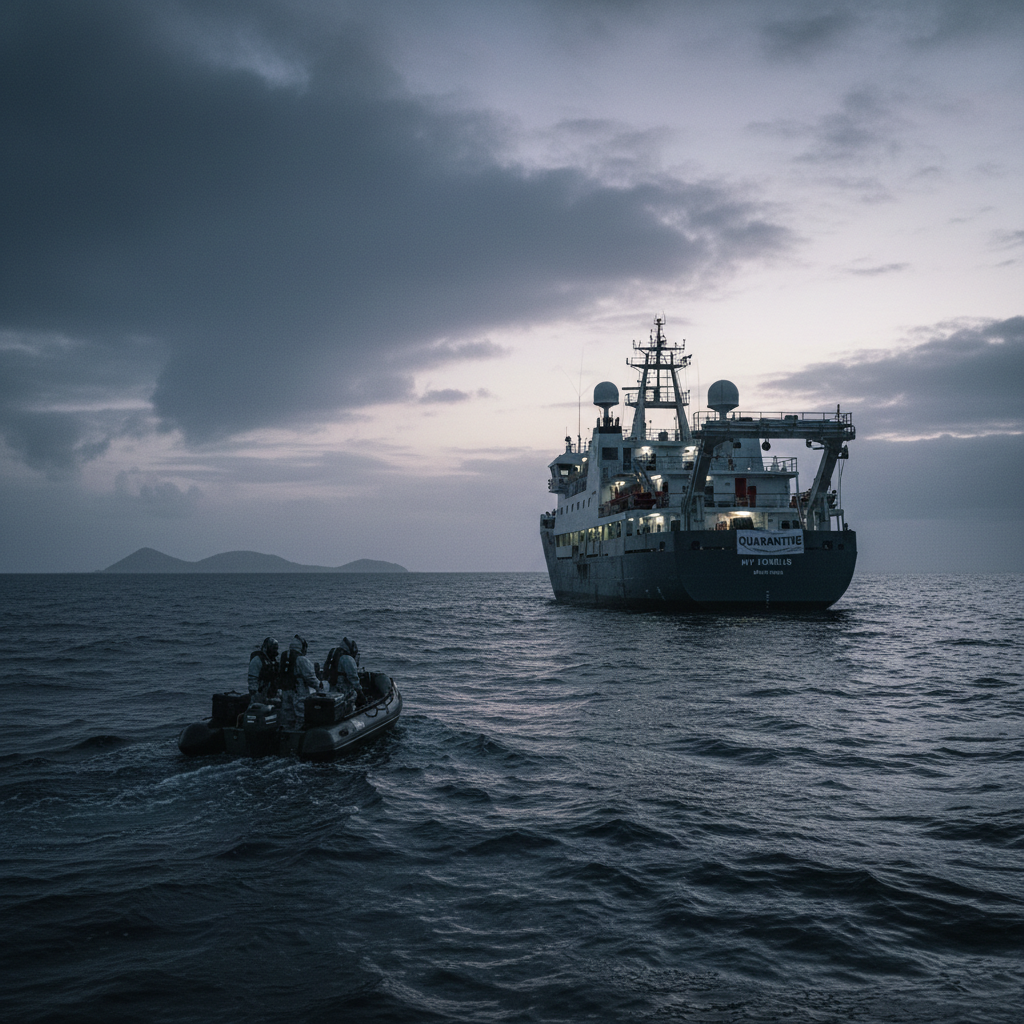
Echoes of Past Crises as Maritime Quarantine Persists
As the polar expedition vessel MV Hondius remains anchored off Praia, Cape Verde, international public health authorities are scrutinizing decades of virological records to gauge the trajectory of a rare New World hantavirus scenario unfolding at sea.With clinical protocols and vessel isolation measures governed by Cape Verdean maritime authorities alongside technical teams from the World Health Organization (WHO) and Africa CDC, the situation has forced researchers to revisit three foundational moments in the history of hantavirus pulmonary syndrome (HPS): the 1993 Four Corners outbreak in the United States, the 1996 El Bolsón outbreak in Argentina. Recurring familial clusters documented across central and southern Chile. While hantaviruses have long been understood primarily as rural, rodent-borne zoonoses, the ongoing confinement aboard the MV Hondius represents an unprecedented intersection of prolonged passenger transit, isolated quarters. An imported South American pathogen. To contextualize the operational and diagnostic challenges off West Africa, epidemiologists are drawing direct comparisons to how earlier outbreaks redefined medical understanding of viral transmission.
The Four Corners Baseline: 1993 and the Discovery of Sin Nombre
The modern clinical recognition of New World hantaviruses began in May 1993 within the Four Corners region of the southwestern United States. Healthy young adults presented with rapid-onset pulmonary edema, acute respiratory distress, and severe hemodynamic instability.Within weeks, investigators from the US Centers for Disease Control and Prevention (CDC), state health departments. Local tribal authorities isolated an entirely novel orthohantavirus, later designated Sin Nombre virus, carried by the deer mouse (Peromyscus maniculatus). The 1993 crisis established the classic paradigm of New World hantavirus transmission: aerosolized rodent excreta, urine, or saliva inhaled by humans in disturbed, poorly ventilated, or rural settings. Crucially, intensive contact tracing during and after the Four Corners investigation showd that Sin Nombre virus didn't transmit from person to person. Healthcare workers treating critically ill patients, family members caring for loved ones at home, and close laboratory contacts exhibited no secondary infections. For years, that lack of secondary transmission served as a reassuring clinical rule. Yet, public health teams monitoring the MV Hondius note that applying the 1993 North American model to an outbreak suspected of involving Andes orthohantavirus risks overlooking critical evolutionary differences between regional lineages.
El Bolsón, 1996: The Paradigm Shifts to Interpersonal Spread
The medical consensus fundamentally fractured in late 1996 in El Bolsón, a town in the Río Negro province of southern Argentina. Clinicians and epidemiologists tracking a cluster of severe cardiopulmonary disease documented sequential chains of infection that could not be explained by direct rodent reservoir exposure (Oligoryzomys longicaudatus, the long-tailed pygmy rice rat). Subsequent investigations by the Argentine National Institute of Parasitology and the US CDC confirmed that Andes orthohantavirus was capable of human-to-human transmission.The El Bolsón outbreak traced chains of infection among household members, intimate partners. Treating physicians who had no prior exposure to the rural forest habitats where index patients acquired their infections. The event established Andes virus as the sole known orthohantavirus lineage with showd interhuman spreading capabilities. For the responders managing the quarantine of the MV Hondius in the port approaches of Praia, the El Bolsón precedent remains the primary epidemiological baseline. If secondary or tertiary cases occur within enclosed passenger decks or medical bays without recent environmental rodent exposure, the transmission dynamics mirror the person-to-person vulnerability first verified in the Argentine foothills three decades ago.
Chile's Clusters and the Challenge of Extended Incubation
Chilean public health surveillance over subsequent decades added another critical layer to the global understanding of Andes virus epidemiology. In numerous documented clusters across administrative regions from Maule to Aysén, researchers from the Pan American Health Organization (PAHO) and academic institutes recorded secondary household attack rates that highlighted a wide diagnostic window. Unlike influenza or many respiratory viruses that manifest within two to five days, Andes virus carries an incubation period documented to span anywhere from 11 days up to five or six weeks. In Chilean clusters, secondary infections frequently surfaced long after the primary patient had either cleared the illness or succumbed to cardiopulmonary collapse. This protracted timeline complicates infection control: asymptomatic or mildly symptomatic individuals may circulate during the late prodromal phase while close contacts remain under passive monitoring. And, epidemiological tracking in Chile revealed that human-to-human spread appeared concentrated among intimate partners and direct caregivers who experienced prolonged exposure to respiratory secretions, saliva, or close contact during early prodromal or febrile stages.Casual, fleeting community contacts rarely yielded secondary cases, underscoring that Andes virus. Capable of spreading between humans, is not an airborne contagion on par with measles or SARS-CoV-2.
Closed Vessel Confinement Versus Rural Isolation
The critical divergence confronting the MV Hondius lies in the physical and structural environment. Historical outbreaks across the Americas occurred in terrestrial, predominantly rural communities where index patients could be transferred to regional tertiary intensive care units equipped with extracorporeal membrane oxygenation (ECMO) and mechanical ventilation. By contrast, a passenger cruise ship operating at sea creates a contained demographic sample in an architectural envelope dependent on centralized HVAC circulation, shared galley and dining spaces. Shared plumbing networks. Although modern maritime health guidelines—drafted by the International Maritime Organization (IMO) and the WHO under the International Health Regulations (IHR 2005)—provide clear procedures for common shipboard pathogens such as norovirus and respiratory syncytial virus, they offer limited precedent for a high-consequence VHF (viral hemorrhagic fever) or HPS pathogen displaying potential person-to-person transmission. Maritime medical teams off Praia are balancing two competing clinical lessons: the strict avoidance of unnecessary invasive exposure that could put caregivers at risk. The urgent necessity of providing advanced circulatory support for patients facing rapid capillary leak syndrome and hypovolemic shock.
Critical Uncertainties for Responders
Public health agencies, including the European Centre for Disease Prevention and Control (ECDC) and the WHO, continue to review data emerging from Cape Verdean authorities.Core questions remain unconfirmed in public briefings, including the precise genetic sequencing of isolated viral samples, confirmation of any confirmed secondary transmission chains aboard the vessel. Official timelines for lifting quarantine restrictions. What history shows—from Four Corners to El Bolsón to the Patagonian lake regions—is that New World hantaviruses don't conform to generalized assumptions. The MV Hondius event is testing whether lessons established in rural cabins and provincial hospitals can be successfully adapted to protect public health aboard an isolated vessel anchored thousands of nautical miles from the natural reservoir of Andes virus.
Sources
- World Health Organization: https://www.who.int
- US Centers for Disease Control and Prevention: https://www.cdc.gov
- European Centre for Disease Prevention and Control: https://www.ecdc.europa.eu
- Pan American Health Organization: https://www.paho.org
- International Maritime Organization: https://www.imo.org
- Reuters: https://www.reuters.com