MV Hondius Andes: Passenger Accounts Detail Onboard Reality Amid Hantavirus Outbreak
Firsthand accounts from passengers on the MV Hondius Andes reveal a complex picture of life under quarantine, communication challenges, and the intricate logistics surrounding their eventual disembarkation in Praia, Cape Verde.
Onboard Quarters and Evolving Protocols
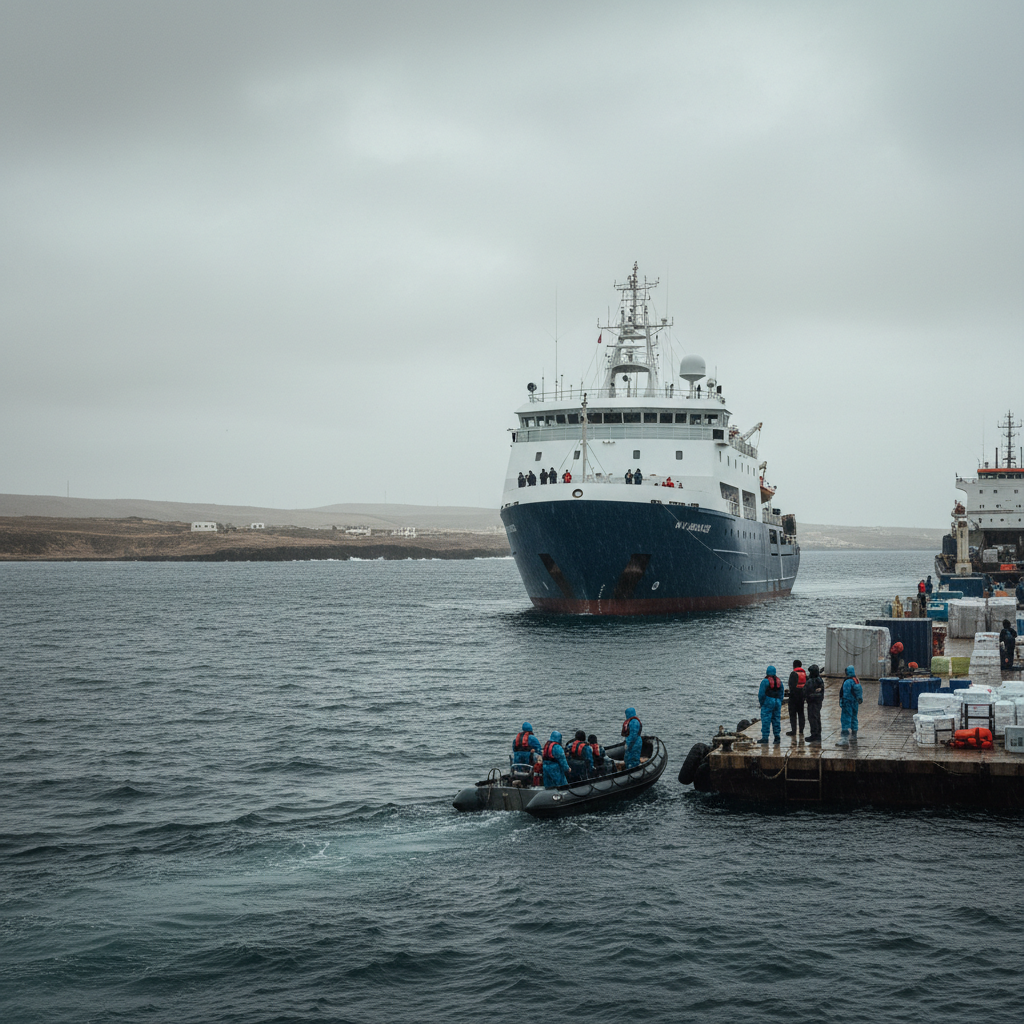
Passengers aboard the MV Hondius Andes, anchored off Praia, Cape Verde, since May 2026, have begun to share their experiences, painting a vivid picture of life under extended quarantine. Initial reports from various media outlets, citing anonymous passenger testimonials, described conditions ranging from cautious optimism to mounting frustration as the hantavirus outbreak progressed. Early communications from the cruise operator, Andes Expeditions, focused on reassurance and the implementation of enhanced hygiene protocols. These measures included regular deep cleaning of common areas, distribution of personal protective equipment (PPE) to crew and passengers, and strict isolation directives for individuals exhibiting symptoms. As of late August 2026, many passengers reported remaining largely confined to their cabins, with meal services delivered directly to staterooms to minimize contact. Access to outdoor decks has been heavily restricted, often on a scheduled, staggered basis to maintain physical distancing.
Communication Challenges and Operator Updates
One recurring theme in passenger accounts is the perceived inconsistency and evolving nature of communication from Andes Expeditions. While the operator has maintained a dedicated onboard information channel and distributed regular printed updates, passengers have noted discrepancies between official statements and the reality observed on the ship. Initial updates primarily addressed health protocols and the medical response, evolving to include detailed information on the disembarkation plan as it took shape. Andes Expeditions has publicly reiterated its commitment to passenger and crew safety, emphasizing adherence to guidelines from the World Health Organization (WHO) and regional health authorities like the Africa Centres for Disease Control and Prevention (Africa CDC). Their public statements, accessible via their corporate website, consistently highlight collaboration with international health bodies and the Cape Verdean government to manage the health crisis and help safe repatriation. These communications have sought to address concerns regarding medical care availability, mental health support, and the provision of essential supplies during the prolonged anchorage.
Disembarkation Logistics: A Phased Approach
The most complex aspect of the ongoing situation has been the planning and execution of passenger disembarkation. Following extensive negotiations and health assessments, a multi-phase disembarkation strategy was developed in coordination with Cape Verdean authorities, the WHO, and consular representatives from various nations. The International Maritime Organization (IMO) has as well provided guidance on humanitarian aspects of crew and passenger welfare. As of the last week of August 2026, disembarkation has startd for certain passenger groups deemed low-risk, or those requiring specialized medical transfer. The process is highly controlled, with rigorous health screenings preceding departure from the vessel. Passengers are being transported from the ship to designated facilities, which include pre-arranged flights for immediate repatriation to their home countries or further managed isolation in onshore facilities in Cape Verde, depending on their health status and nationality. Repatriation flights are reportedly being coordinated with national governments, ensuring medical personnel are present and appropriate biosafety measures are in place. For passengers showing symptoms or testing positive for hantavirus, strict isolation protocols remain in effect. Their disembarkation is being handled with the highest level of medical supervision and biosafety. These individuals are being transferred to specialized medical facilities either in Cape Verde or via dedicated medical transport to their home countries, subject to agreements with national health authorities.
The Path Forward for Remaining Passengers
While disembarkation continues, a bigly number of passengers and crew remain onboard. The experience for these individuals is marked by continued uncertainty regarding their precise departure dates. Andes Expeditions has indicated that the disembarkation process is expected to extend over several more weeks, contingent upon ongoing health assessments and logistics. Regular health monitoring continues for all remaining individuals on the vessel, with medical teams conducting daily symptom checks and periodic testing as advised by public health experts. The mental health of passengers and crew under such prolonged conditions is too a growing focus, with onboard support services reportedly augmented. Reports from global health agencies, including the US Centers for Disease Control and Prevention (US CDC) and the European Centre for Disease Prevention and Control (ECDC), continue to monitor the situation closely, providing epidemiological guidance and supporting international coordination efforts for safe repatriation and disease control.



