MV Hondius Andes: Passenger Accounts Detail Onboard Strain, Disembarkation Challenges
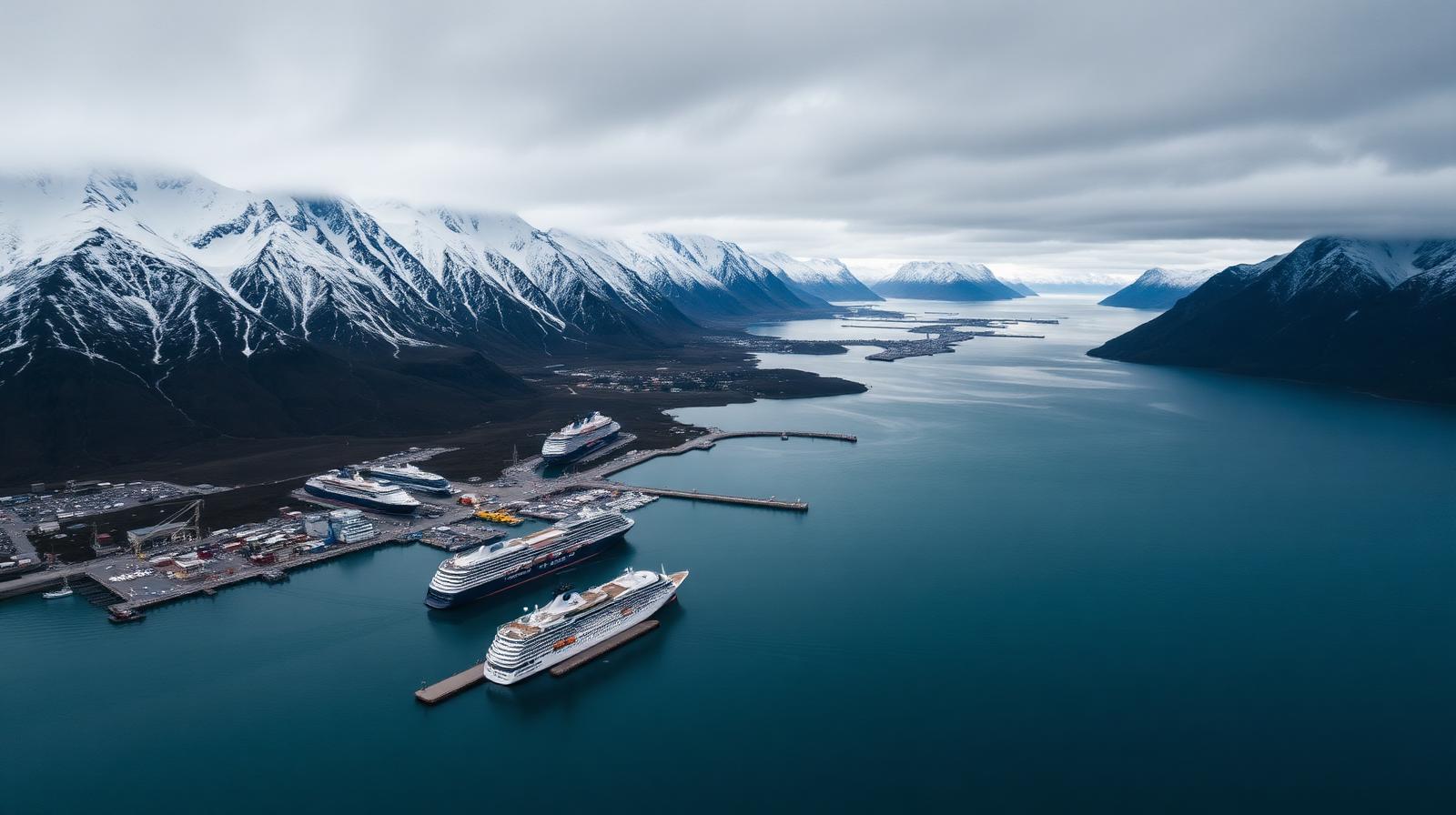
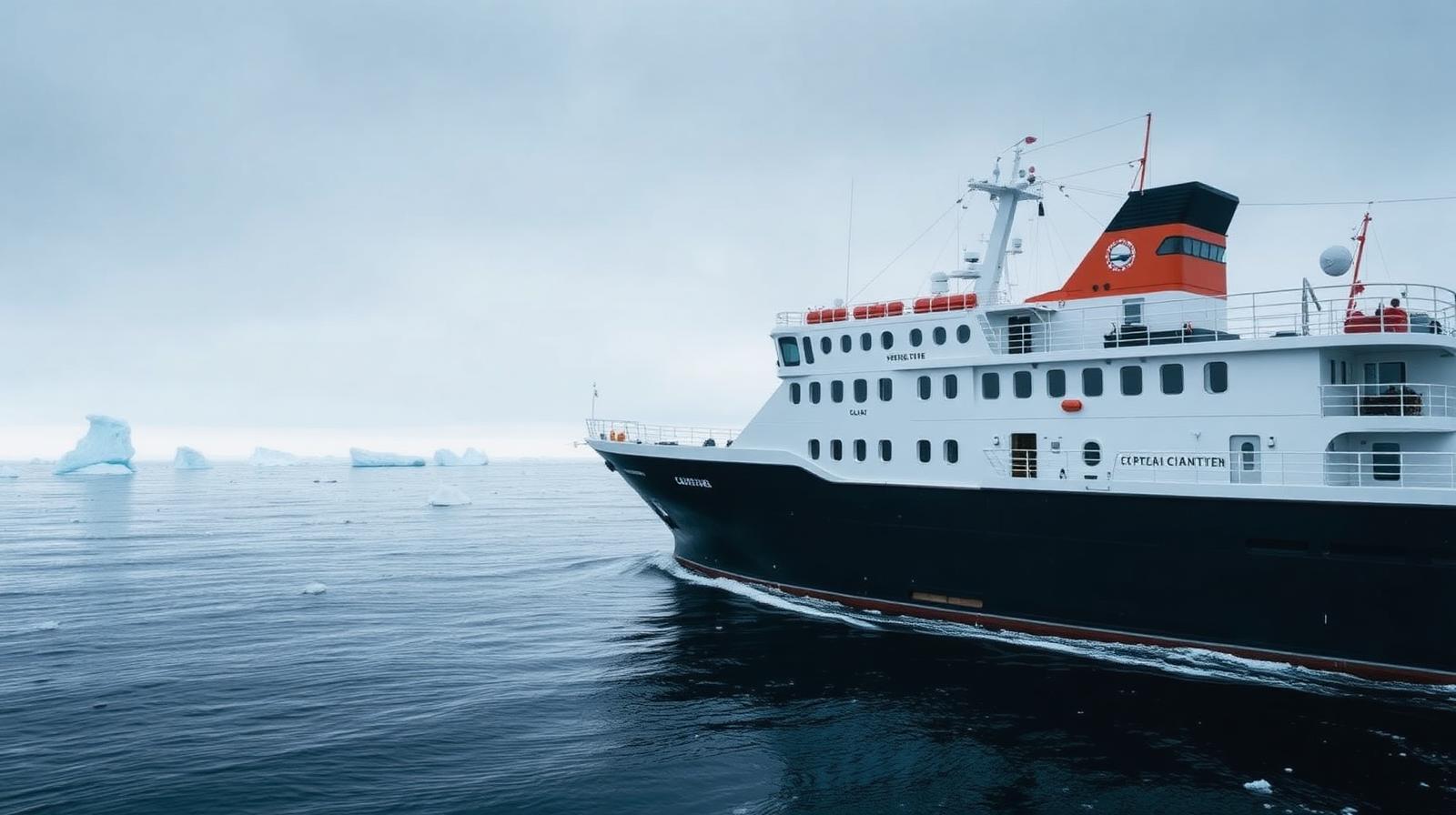
Passengers confined aboard the MV Hondius Andes for over a month are beginning to share accounts of the challenging conditions, evolving communications from operator Oceanwide Expeditions, and the complex, phased disembarkation plans underway off Praia, Cape Verde.
Extended Confinement and Shifting Communications
For passengers aboard the MV Hondius Andes, the past month has been defined by isolation and uncertainty. Anchored off Praia, Cape Verde, since early June, the expedition vessel became a focal point of public health concern following a confirmed hantavirus outbreak on board. Initial communications from Oceanwide Expeditions, the Dutch operator of the vessel, focused on securing medical assistance and implementing stringent infection control measures. Early passenger reports, relayed through limited satellite communications and later confirmed by individuals disembarking, describe a gradual tightening of restrictions. "We went from free movement to cabin isolation within days," one passenger, granted anonymity due to privacy concerns, reportedly communicated via email to family. "The uncertainty was, and still is, the hardest part."
Oceanwide Expeditions has maintained that passenger and crew safety is their paramount concern. Their official statements, accessible on their website, have detailed the cooperative efforts with international health organizations and local authorities in Cape Verde. But, the perceived lack of real-time, personalized updates has been a recurring theme in publicly reported passenger accounts. The initial phase of the outbreak saw communication largely limited to daily intercom announcements and printed notices. As the situation evolved to include disembarkation planning, digital communications have reportedly increased, with passengers gaining access to more detailed schedules and instructions via onboard networks and controlled internet access.
Disembarkation Logistics Under Scrutiny
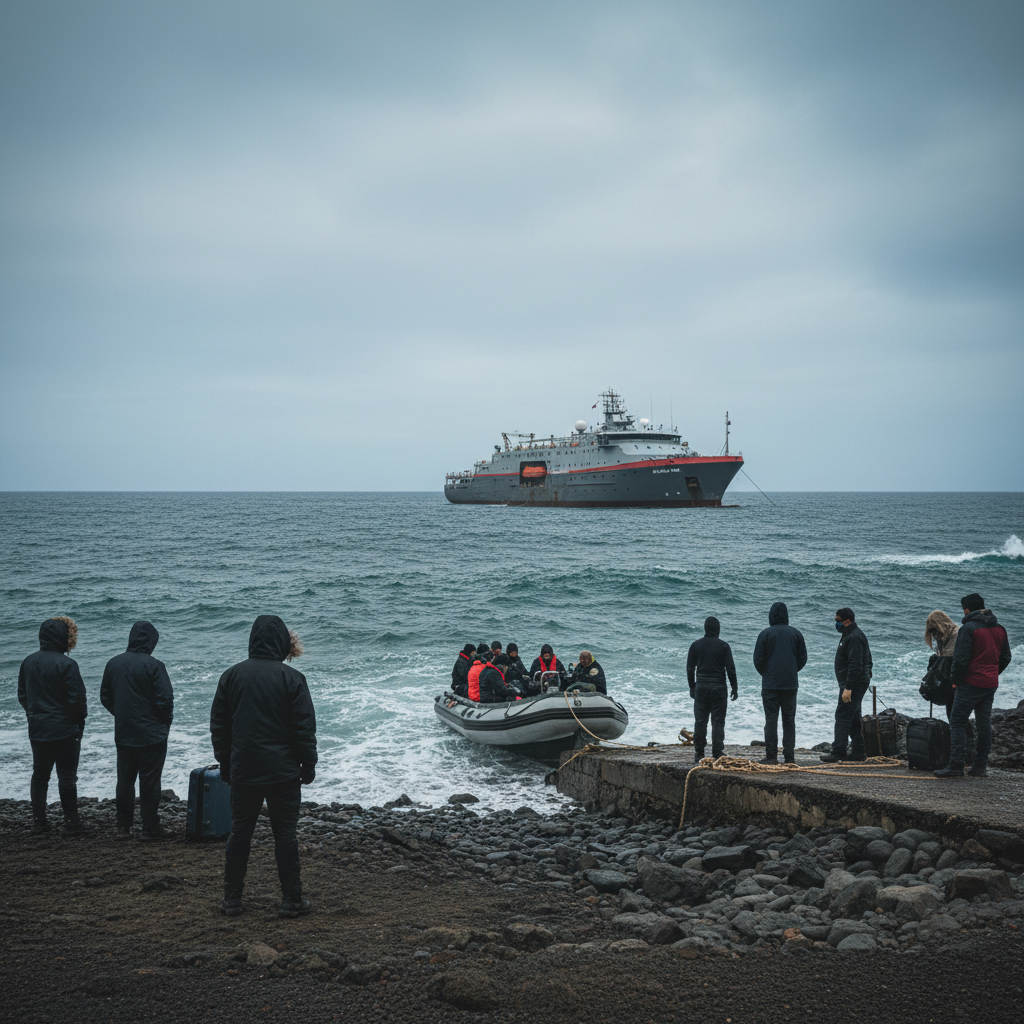
The disembarkation process, which began incrementally in late June, has been a carefully planned operation involving multiple international health agencies and the Cape Verdean government. The complexity stems from the need to manage potential hantavirus exposure, ensure safe passage for individuals to their home countries, and establish strong follow-up monitoring protocols. Passengers without symptoms, who have completed multiple rounds of health screenings, are being prioritized for repatriation. This process involves dedicated air charters, with strict biosecurity measures in place at both departure and arrival points. Accounts suggest a staggered approach, minimizing large gatherings and ensuring individual health assessments continue right up to departure. Those who have shown symptoms or are identified as close contacts remain under observation on the vessel or in designated shore-based facilities in Cape Verde, depending on their health status and the severity of their condition. The exact number of individuals affected or undergoing extended monitoring has not yet been released by official sources, But, authorities have confirmed the necessity of these prolonged isolation periods to prevent further transmission. International public health bodies, including the World Health Organization (WHO) and the European Centre for Disease Prevention and Control (ECDC), have been providing technical assistance to Cape Verdean health authorities, contributing to the development of strong disembarkation and repatriation protocols. The International Maritime Organization (IMO) has also been involved, offering guidance on maritime health declarations and port state control measures applicable to disease outbreaks.
Mental Health and Future Implications
The prolonged confinement and the nature of the outbreak have inevitably impacted the mental well-being of those on board. While Oceanwide Expeditions has stated the provision of psychological support services, the extent of access and the effectiveness of these services during such a stressful period are only beginning to be understood as passengers disembark. Disembarking passengers face the challenge of reintegrating into normal life while potentially undergoing continued health monitoring in their home countries.The experience of the MV Hondius Andes is expected to prompt a review of outbreak response protocols within the cruise and expedition industry, particularly concerning communication strategies, passenger welfare during extended quarantines. The coordination of international repatriation efforts during health crises. As of July 2, 2026, disembarkation continues in phases, with international coordination remaining key to a safe and effective resolution of the situation aboard the MV Hondius Andes.