MV Hondius Andes Passengers Detail Isolation, Operator Communications, Disembarkation Plans
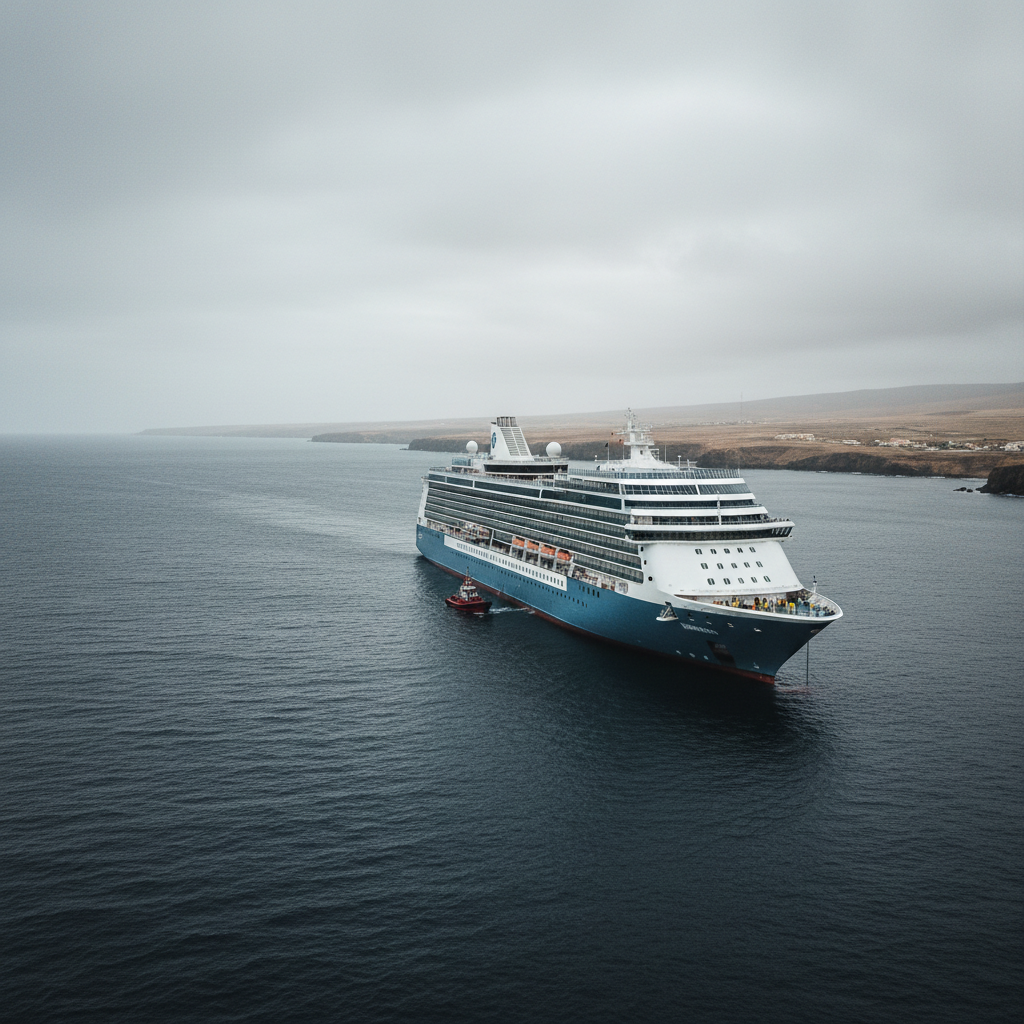
Onboard accounts from the MV Hondius Andes, anchored off Praia, Cape Verde since May 2026, shed light on passenger experiences amid hantavirus concerns, evolving communication from Andes Expeditions, and complex disembarkation logistics being finalized.
Passenger Accounts Detail Prolonged Containment and Uncertainty
Passengers aboard the MV Hondius Andes, which has been under quarantine off the coast of Praia, Cape Verde, since May 2026 due to an onboard hantavirus outbreak, have shared insights into their prolonged experience. Initial reports from early May detailed strict cabin isolation protocols implemented by the ship's medical team and Andes Expeditions management following the detection of hantavirus cases. These measures, described by some passengers as necessary yet isolating, were aimed at limiting further transmission within the vessel, as advised by international health authorities coordinating with local Cape Verdean officials. Communications from Andes Expeditions to passengers have reportedly evolved over the past five months. Early messages focused on health and safety protocols, daily medical check-ups, and the provision of essential services. More recently, as disembarkation planning has intensified, communications have shifted to detailing potential repatriation options, health screening requirements, and logistical complexities. Passengers have indicated a desire for more frequent and granular updates, particularly regarding timelines for returning home, acknowledging the challenging circumstances faced by the cruise operator. Access to open-air decks has been reportedly restricted for extended periods, particularly during the initial phase of the outbreak, with controlled access gradually reintroduced for non-symptomatic individuals, subject to stringent health guidelines. Recreational activities have been limited, and social distancing measures remain rigorously enforced within communal areas when permitted. Mental health support services have been made available onboard, recognizing the psychological toll of extended isolation and uncertainty on both passengers and crew, as reported by individuals onboard.
Operator Communications and Evolving Disembarkation Logistics
Andes Expeditions, the operator of the MV Hondius Andes, has maintained that passenger and crew safety remains its highest priority.In public statements and communications to passengers, the company has emphasized its close collaboration with the World Health Organization (WHO), the United States Centers for Disease Control and Prevention (US CDC). Cape Verdean health authorities. These collaborations are critical for developing a comprehensive and safe disembarkation plan that adheres to international health regulations and national protocols. Disembarkation logistics for the more than 700 individuals still onboard, as of October 2026, are highly complex.The primary challenges include the extensive health screening required for all individuals before disembarkation, the coordination of international repatriation flights. Ensuring that any individual who tests positive for hantavirus or is deemed a close contact can be safely isolated and transported according to medical guidelines. Cape Verdean authorities have indicated that the process must be carefully managed to prevent any potential spread of the virus to the local population, a concern echoed by regional health bodies like Africa CDC. Plans reportedly involve staggered disembarkation, with priority given to those deemed medically stable and fit to travel after multiple rounds of hantavirus testing. Special arrangements are being made for passengers requiring ongoing medical care or those identified as high-risk.Several international governments, including the United States, United Kingdom. Various European Union member states, are understood to be involved in discussions with Andes Expeditions and Cape Verdean officials to help the repatriation of their respective citizens. This multi-national coordination underscores the unprecedented scale of the incident. The International Maritime Organization (IMO) has also been consulted on aspects related to port state control and the safe transfer of individuals, highlighting the maritime legal and operational dimensions of the ongoing situation. The economic implications for Andes Expeditions, including potential compensation for passengers and the cost of the prolonged operation, are expected to be substantial, although the company has not yet released specific figures.
Future Outlook and Ongoing Monitoring
While disembarkation planning progresses, the exact timeline remains fluid, dependent on ongoing health assessments and diplomatic coordination. Behind the scenes: the psychological impact of the prolonged ordeal on passengers and crew will require continued attention. Health authorities are expected to maintain surveillance of all disembarked individuals for a period following their return to their home countries, consistent with established public health protocols for emerging infectious diseases. The incident of the MV Hondius Andes continues to serve as a stark reminder of the complexities inherent in managing infectious disease outbreaks in highly mobile, international settings such as cruise ships, prompting ongoing discussions within the maritime industry and global health community about future preparedness and response mechanisms.



