MV Hondius Andes Passengers Recount Onboard Experience Amid Hantavirus Outbreak
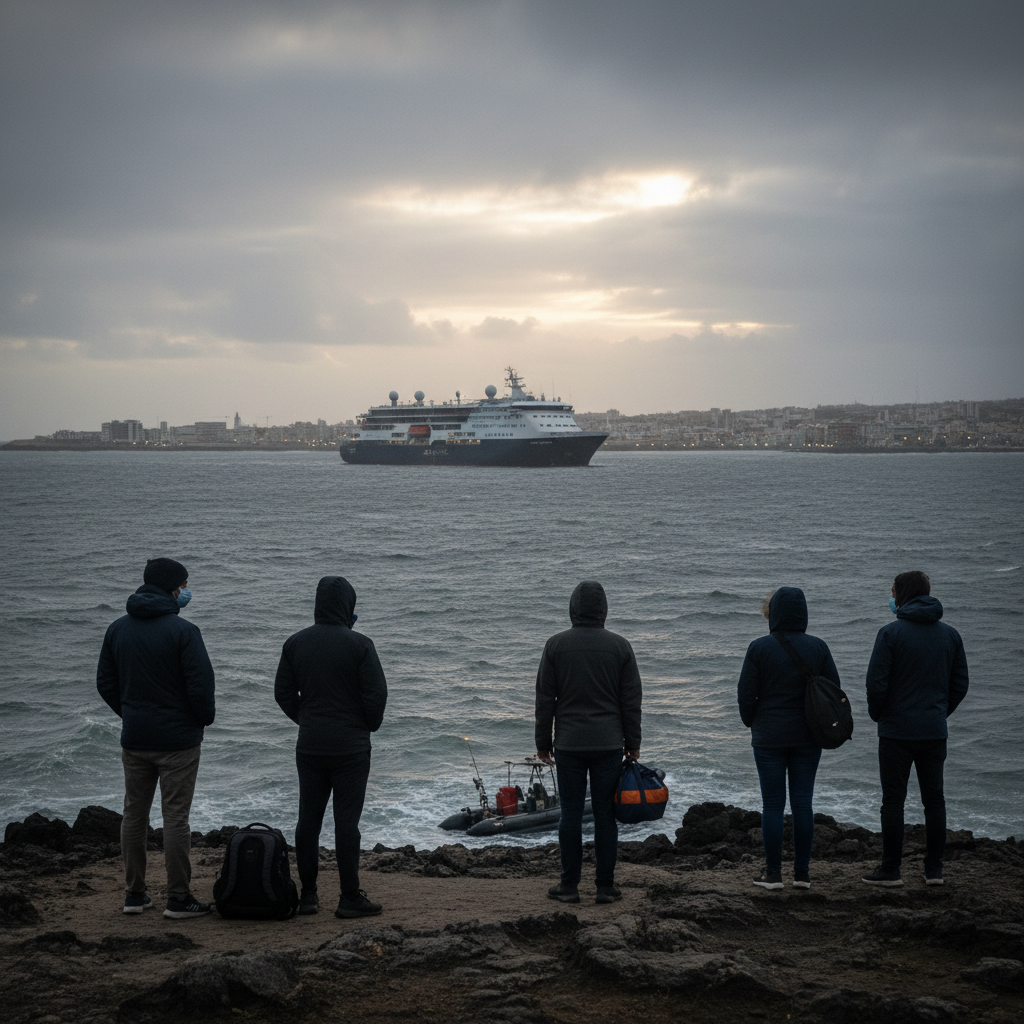
First-hand accounts from disembarked travelers shed light on the conditions, communication strategies, and logistical challenges faced during the prolonged quarantine of the MV Hondius Andes, now anchored off Praia.
Passenger Communications and Onboard Conditions
Disembarking passengers from the MV Hondius Andes, now undergoing a phased medical repatriation process near Praia, Cape Verde, have begun to share their experiences from the prolonged period of isolation. Reports indicate a varied experience regarding communication from the ship's operator, Hondius Lines, and the prevailing conditions onboard during the hantavirus outbreak. Early in the quarantine period, communications from Hondius Lines were described by some passengers as infrequent and lacking specific details on the nature of the health threat and the expected duration of the anchorage. "Initial information was often generalized, leading to considerable anxiety among passengers," one individual, who wished to remain anonymous due to privacy concerns, stated to a support group affiliated with the repatriation effort. But, as the situation progressed and international health organizations became more involved, the frequency and clarity of updates reportedly improved. Passengers received daily announcements from the captain and medical team, often supplemented by printed notices detailing health protocols, symptom monitoring, and available medical services. These communications also highlighted the ongoing collaboration with international health authorities to manage the outbreak. Onboard conditions, particularly access to medical care and amenities, have also been a central theme in passenger accounts. The ship's infirmary reportedly became overwhelmed during periods of heightened medical need, requiring the rapid deployment of additional medical personnel and supplies by international aid organizations. Access to non-essential services, such as gyms and entertainment venues, was severely restricted to mitigate disease transmission, leading to what some described as a "monotonous and challenging" environment.Food services were modified to minimize contact, often delivered to cabins. A strict regimen of sanitation and personal protective equipment (PPE) use was enforced for both crew and passengers.
Disembarkation Logistics and Repatriation Efforts
Disembarkation from the MV Hondius Andes has been a complex, multi-stage operation, coordinated by a multinational task force including the World Health Organization (WHO), the European Centre for Disease Prevention and Control (ECDC). Cape Verdean health authorities. The process prioritizes passengers requiring urgent medical attention and those cleared as non-contagious after rigorous health screenings. Repatriation logistics have involved chartered flights and specialized medical transport for individuals returning to their home countries. Passengers undergoing disembarkation are subject to multiple health checks, including polymerase chain reaction (PCR) tests for hantavirus, as well as thorough medical evaluations. Individuals exhibiting symptoms or testing positive for the virus are being transferred to onshore medical facilities in Praia or to dedicated isolation units established by international medical teams.As of October 14, 2026, a bigly number of passengers have been disembarked. A substantial portion remains onboard, awaiting medical clearance or further transport arrangements, according to officials overseeing the operation. Challenges in disembarkation have included the coordination of various national health protocols, differing travel restrictions. The logistical complexities of moving individuals from a quarantined vessel to multiple destinations while ensuring public health safety. The International Maritime Organization (IMO) has been involved in facilitating safe port access and ensuring compliance with international health regulations.
Operator Accountability and Future Outlook
Hondius Lines has publicly acknowledged the unprecedented challenges posed by the outbreak and has stated its commitment to passenger welfare and cooperation with health authorities. Here's the thing: the company has faced scrutiny regarding its initial response and preparedness protocols, prompting calls for industry-wide reviews of infectious disease management on cruise vessels. Discussions regarding potential compensation for affected passengers are ongoing, though no specific details have been released by Hondius Lines as of October 15, 2026. The MV Hondius Andes remains anchored, with a core crew and medical personnel continuing to monitor the remaining passengers and oversee the ongoing sanitation of the vessel. The long-term impact on the cruise industry and future maritime health regulations is expected to be bigly, as global health bodies continue to analyze the lessons learned from this protracted outbreak response.
Sources
- World Health Organization (WHO):
https://www.who.int - European Centre for Disease Prevention and Control (ECDC):
https://www.ecdc.europa.eu - Africa Centres for Disease Control and Prevention (Africa CDC):
https://africacdc.org - International Maritime Organization (IMO):
https://www.imo.org - Reuters:
https://www.reuters.com - Associated Press (AP):
https://apnews.com - BBC News:
https://www.bbc.com/news



