MV Hondius Crew Welfare in Focus as Maritime Unions Demand Safe Rotation Protocols
Maritime unions and international monitors press operators for verified rotation protocols and certified PPE reserves aboard the quarantined expedition ship anchored off Cape Verde.
Extended Duty Cycles Spark Maritime Labor Scrutiny
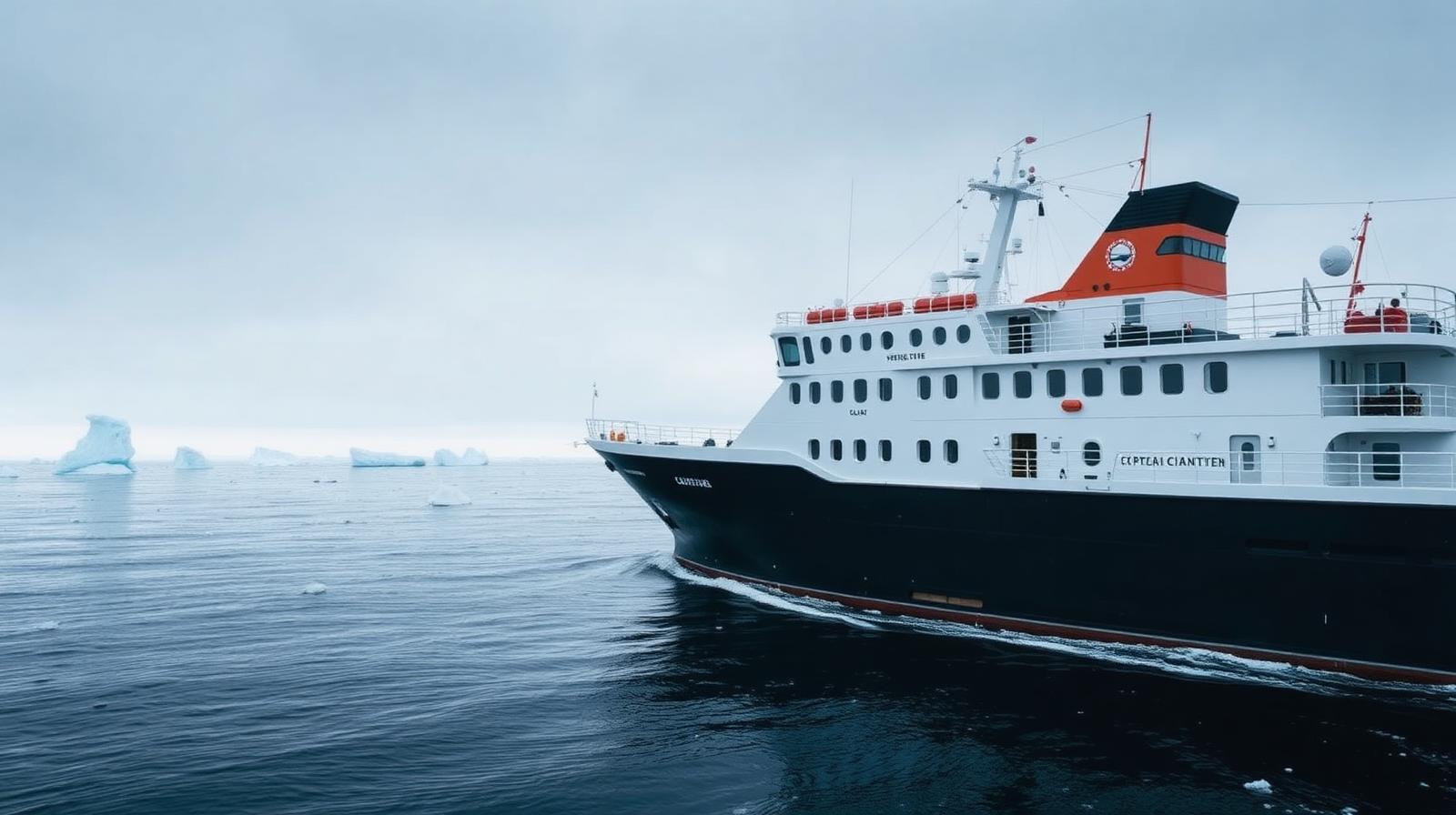
Five months after the MV Hondius was directed to anchor off Praia, Cape Verde following the identification of Andes hantavirus transmission, international maritime labor organizations and public health agencies are focusing renewed attention on the conditions of the mariners and service personnel who remain aboard. Protracted isolation off the West African coast has created acute operational friction regarding contract extensions, physical fatigue, and access to verified personal protective equipment (PPE). With maritime authorities maintaining strict bio-containment measures around the vessel, standard crew changeovers have been repeatedly deferred, drawing formal scrutiny from seafarers' advocacy groups and international shipping regulators. Under the provisions of the Maritime Labour Convention (MLC, 2006), seafarers are entitled to repatriation upon the expiration of their contracts, with maximum continuous service periods capped to prevent dangerous fatigue. But, the presence of a viral agent capable of human-to-human transmission—unique among hantaviruses in the Andes lineage—has severely restricted the willingness of regional port states to permit debarkation, transit, or commercial flight transfers for off-signing crew.
Protective Equipment Standards and Inventory Auditing
Central to current labor discussions is the quality, supply, and correct deployment of protective equipment within the vessel's enclosed operational spaces.While technical and nautical crew continue essential shipboard maintenance, engineering watches. Sanitation routines, international health bodies have emphasized that baseline maritime PPE is insufficient for managing potential viral contamination. Guidance issued by the World Health Organization (WHO) and the U.S.Centers for Disease Control and Prevention (US CDC) for viral hemorrhagic fevers and Andes virus handling specifies the necessity of particulate respirators—such as NIOSH-certified N95 or European standard FFP2/FFP3 masks—alongside eye protection, fluid-resistant coveralls. Specialized gloves during cleaning or high-risk operations. The Africa CDC has stressed that maritime operators must maintain unbroken audit trails for such equipment, ensuring that supplies delivered via offshore lightering craft meet international filtration standards and are not reused beyond manufacturer specifications. Technical oversight teams have noted that working in non-air-conditioned machinery spaces or high-humidity galley compartments while wearing advanced respiratory protection bigly accelerates heat stress. Union representatives have urged vessel managers to establish adjusted work-rest schedules to account for the physiological burden imposed by continuous PPE use in tropical waters.
Union Demands and the Regulatory Framework
The International Transport Workers' Federation (ITF) and affiliated national maritime unions have intervened, demanding transparent reporting on the psychological and physical status of personnel aboard. While acknowledging the exceptional public health risks posed by the Andes virus, labor officials maintain that quarantine protocols can't supersede basic human rights or the fundamental protections established by the International Maritime Organization (IMO) and the International Labour Organization (ILO). Maritime union representatives have outlined three primary areas requiring immediate resolution:
- Establishment of Green Transit Corridors: The creation of bilaterally agreed, medically supervised transfer routes enabling asymptomatic, non-exposed personnel to complete verified quarantine periods ashore before repatriation. - Independent Medical Assessment: Unrestricted, secure communication between shipboard crew and independent occupational health specialists, ensuring personnel can report symptoms or workplace hazards without operational pressure. - Hazard Compensation and Contract Compliance: Guarantees that mariners required to maintain safety-critical systems within an active containment zone receive appropriate hazard compensation, valid contract extensions. Continuous access to communication facilities to contact families. Under international maritime standards, seafarers too retain the right to refuse to perform work where there is a reasonable justification to believe an imminent and serious danger to life or health exists, provided that safety-of-ship duties are maintained.
Port State Deadlocks and Offshore Logistics
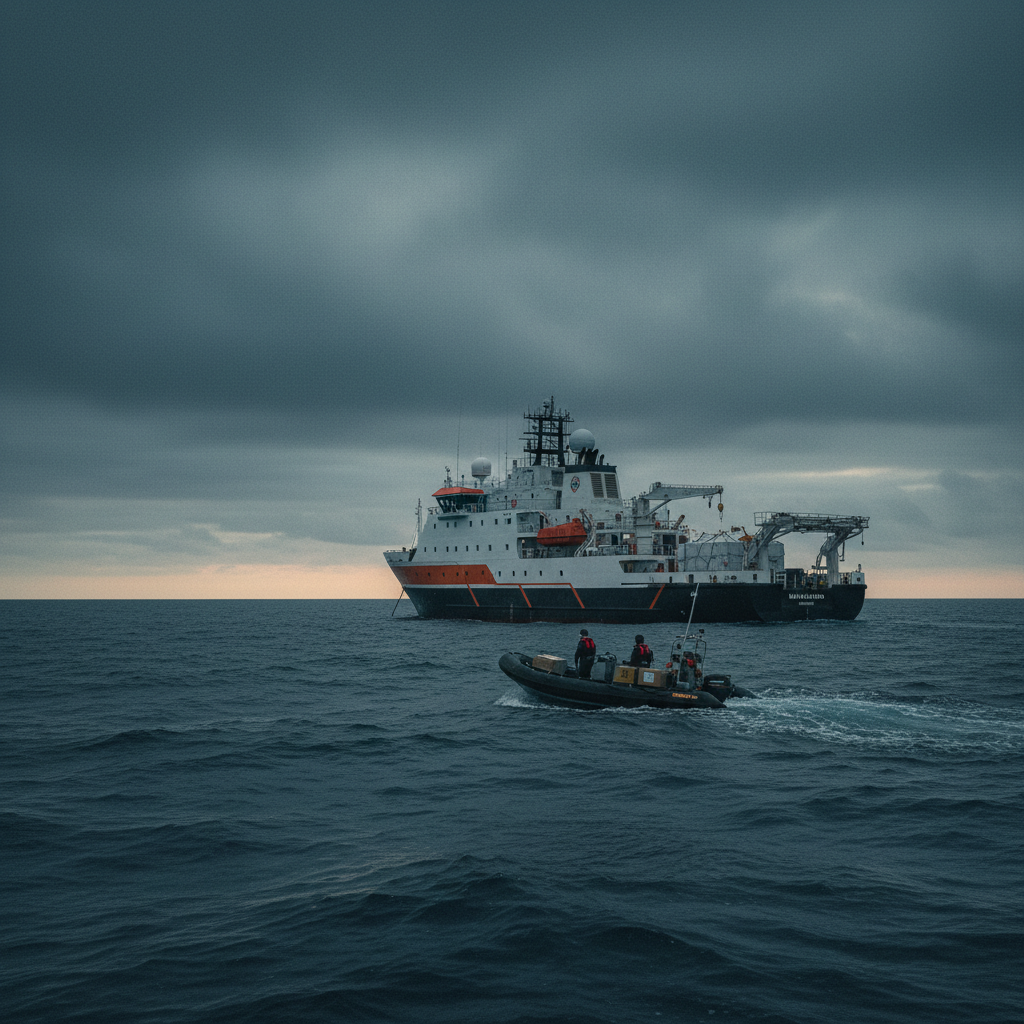
Cape Verdean maritime and health authorities have maintained a precautionary posture, restricting physical access to the vessel while permitting offshore supply drops under strict non-contact protocols.Provisions, technical spare parts, potable water. Medical consignments continue to be ferried out from Praia under port health inspection, though disembarkation remains halted pending internationally certified infection-control clearance. Local authorities have pointed to the limited specialized biocontainment infrastructure within regional healthcare facilities as a governing factor in their cautious approach.The Africa CDC has continued to provide technical support to Cape Verdean authorities to strengthen biosafety surveillance. Broader coordination involving the vessel's flag state and crew home nations remains necessary to establish feasible disembarkation plans. The IMO has repeatedly reminded member states that prolonged shipboard confinements risk compounding an epidemiological emergency with operational and navigational safety hazards, as crew exhaustion impairs emergency response capabilities aboard complex vessels.
Ongoing Monitoring and Resolution Efforts
Discussions between the vessel’s operators, flag-state regulators, Cape Verdean health officials, and labor federations remain active.Technical advisors from international agencies are reviewing protocols that could allow step-wise rotations, beginning with thorough environmental surface testing, negative molecular diagnostic screens. Chartered, medically accompanied extraction flights. Until such frameworks receive full regulatory clearance, shipboard personnel remain in a holding pattern off Praia, managing daily vessel functions under elevated biocontainment guidelines while global maritime bodies track compliance with fundamental labor standards.
Sources
- World Health Organization: https://www.who.int
- International Maritime Organization: https://www.imo.org
- International Transport Workers' Federation: https://www.itfglobal.org
- Africa Centres for Disease Control and Prevention: https://africacdc.org
- US Centers for Disease Control and Prevention: https://www.cdc.gov
- International Labour Organization: https://www.ilo.org