MV Hondius Passengers Face Strict Isolation as Port Clearance Talks Continue
Travelers aboard the quarantined polar vessel off Cape Verde navigate strict cabin isolation and complex disembarkation protocols amid Andes hantavirus containment efforts.
Prolonged Anchorage Off Praia
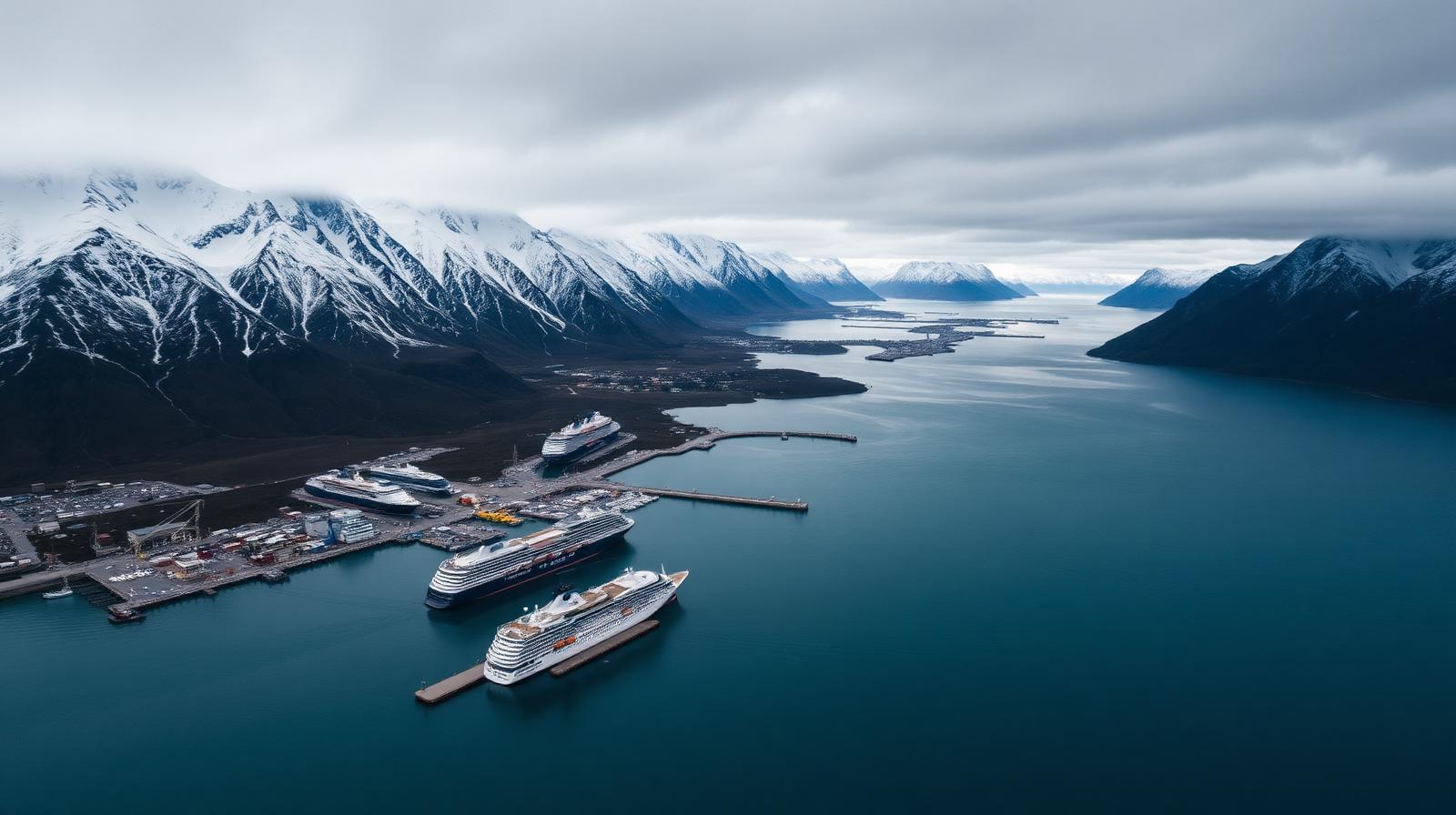
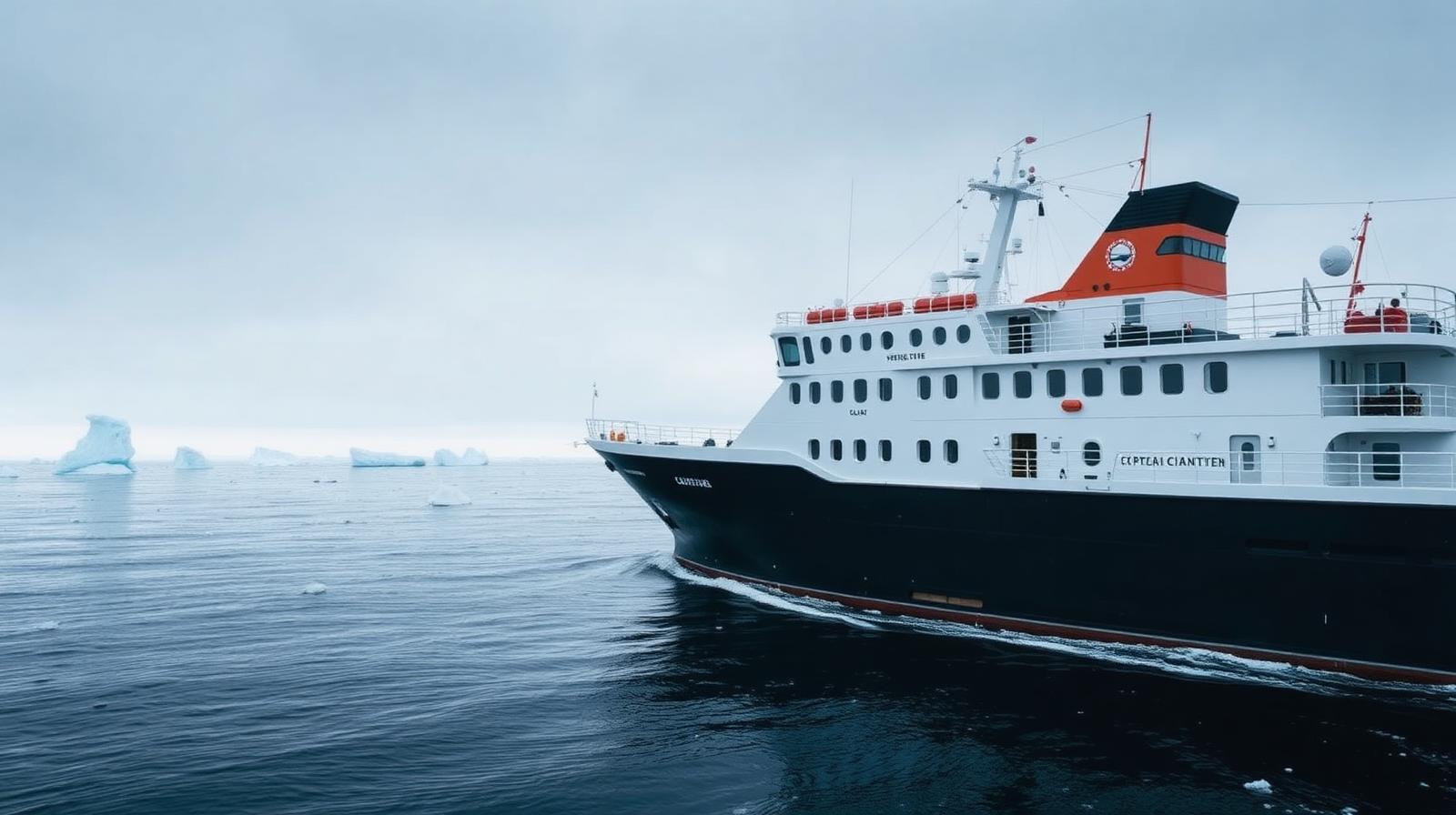
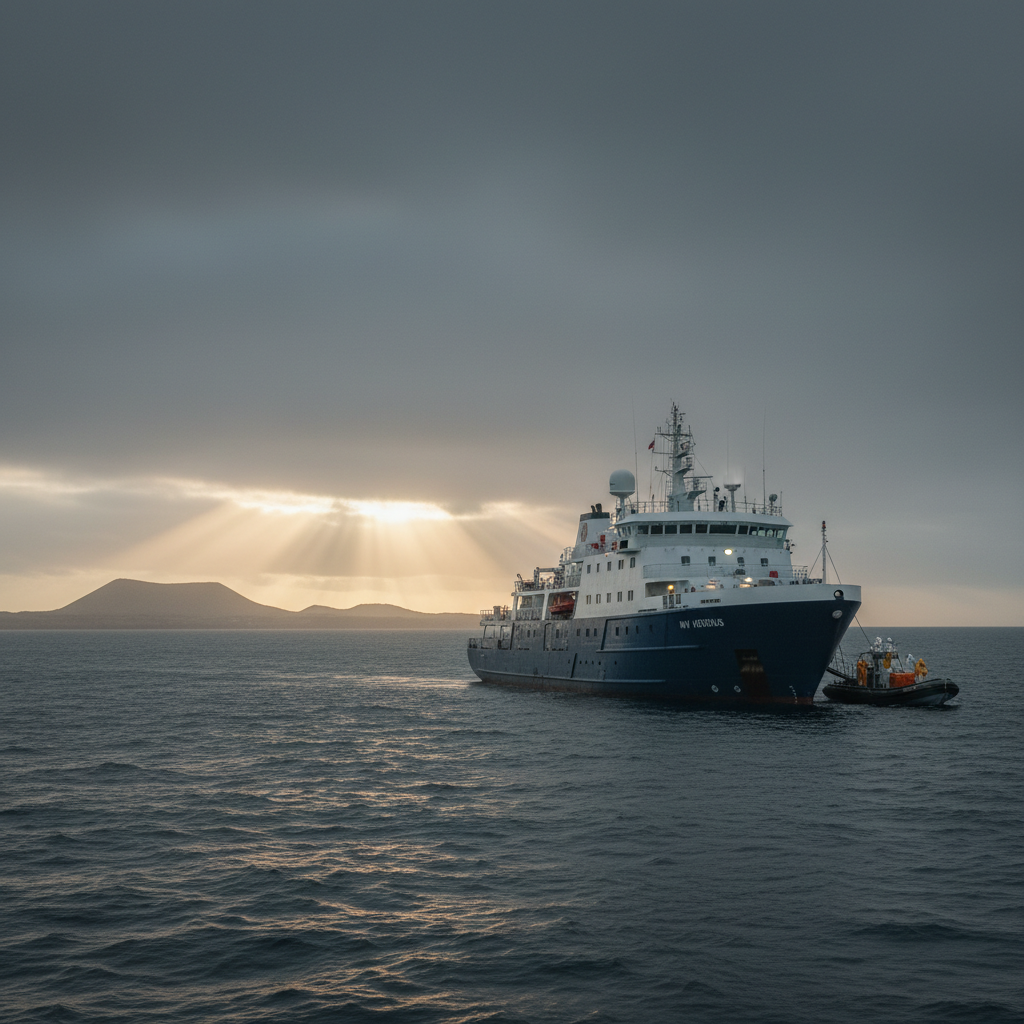
Passengers and crew aboard the expedition cruise ship MV Hondius remain confined to quarters at an anchorage outside the port of Praia, Cape Verde, as maritime authorities, the vessel operator. International public health teams continue negotiations over safe disembarkation procedures. The vessel has been held offshore under sanitary restrictions following the detection of suspected and confirmed Andes virus infections contracted during previous shore excursions in South America. With Andes hantavirus recognized by the World Health Organization (WHO) as capable of rare person-to-person transmission, local authorities in Praia have maintained strict biosecurity perimeters to prevent secondary transmission on mainland Cape Verde. Disembarkation logistics remain suspended pending multi-agency clearance. Port health officials, working alongside technical teams from Africa CDC and the International Maritime Organization (IMO), have emphasized that no individual may step ashore until isolation periods and medical screening benchmarks are met.
Life Under Cabin Confinement
Information shared through operator bulletins and regulatory updates details an environment of stringent infection prevention and control (IPC) across all passenger decks. Travelers are restricted to individual staterooms, with communal spaces—including dining halls, lecture lounges, and observation decks—entirely closed. Meal services and essential provisions are being delivered via contactless corridor drops.Ship staff wearing specialized personal protective equipment (PPE)—including respiratory protection, face shields, gloves. Fluid-resistant gowns—leave trays outside cabin doors, collect domestic waste in biohazard-rated bags, and conduct twice-daily temperature and symptom logs. Airflow within the vessel has been shifted to maximize fresh air intake where mechanical systems allow, minimizing recirculation across cabin blocks. Passengers experiencing mild non-specific symptoms, such as fever, myalgia, or headache, are assessed remotely via shipboard intercoms before medical personnel in full barrier gear enter cabins to draw blood samples or perform clinical evaluations. Communication between passengers and families onshore has been sustained through satellite internet links, though connectivity has at times been intermittent due to the vessel's fixed offshore position.Operator bulletins acknowledge the psychological strain of indefinite cabin quarantine, noting that welfare teams have provided access to digital reading materials, mental health support lines. Scheduled informational briefings.
Operator Communications and Repatriation Planning
The vessel's operating company has maintained ongoing contact with the families of those aboard, consular representatives, and maritime insurers. In formal notices distributed to passengers and next of kin, the operator confirmed that all movements remain subordinate to the directives of the National Health Directorate of Cape Verde and international port health inspectors. A central focus of current operational planning is the establishment of a secure "sterile corridor" for disembarkation. Under proposals submitted to local authorities, asymptomatic passengers who complete the mandated monitoring period without fever or respiratory distress would be transferred directly from the vessel to chartered aircraft via Praia's Nelson Mandela International Airport. Executing such a corridor presents complex logistical challenges:
- Quarantine Timing: The incubation period for Andes hantavirus can extend up to several weeks, requiring continuous health logs before an individual can be certified safe to fly under International Health Regulations (IHR 2005). * Consular Coordination: Passengers aboard the vessel hold passports from multiple nations across Europe, North America, and Australasia, requiring coordinated diplomatic clearances and entry exemptions for onward transit. * Aeromedical Evacuation Constraints: For any individuals exhibiting signs of Hantavirus Pulmonary Syndrome (HPS), specialized air ambulances equipped with negative-pressure transport isolators and advanced respiratory support must be positioned before movement can be authorized. Officials from Africa CDC and WHO regional offices have underscored that commercial travel won't be permitted for any travelers classified as primary contacts until laboratory screening and quarantine timelines are formally concluded.
Legal and Maritime Frameworks
The prolonged standoff highlights the interface between standard maritime law and emergency biosecurity measures. Under the IMO Convention on Facilitation of International Maritime Traffic (FAL Convention) and WHO IHR guidelines, coastal states possess sovereign authority to deny entry to ships carrying suspected quarantinable pathogens to protect domestic populations. Cape Verdean health authorities have reiterated that local medical infrastructure can't absorb an outbreak of high-consequence viral illness. As a result, quarantine conditions aboard the MV Hondius must function as an offshore holding facility until foreign governments finalize repatriation airlift contracts. Technical advisors from the European Centre for Disease Prevention and Control (ECDC) and the US Centers for Disease Control and Prevention (US CDC) continue to monitor data sharing regarding viral shedding intervals and transmission parameters for Andes virus lineage variants. Maritime health specialists stress that while cabin isolation aboard passenger vessels is arduous, containment protocols remain the most effective tool to prevent regional spread. Updates on the scheduled arrival of charter aircraft and the issuance of final port clearance certificates are expected in subsequent operational bulletins from the maritime command in Praia.
Sources
- World Health Organization: https://www.who.int
- Africa CDC: https://africacdc.org
- European Centre for Disease Prevention and Control: https://www.ecdc.europa.eu
- US Centers for Disease Control and Prevention: https://www.cdc.gov
- International Maritime Organization: https://www.imo.org
- Reuters: https://www.reuters.com
- BBC News: https://www.bbc.com