Online Claims vs. Official Reports: Hantavirus Cruise Misinformation Under Scrutiny
Amidst the ongoing MV Hondius Andes hantavirus event, a surge of online misinformation is creating confusion, challenging public health messaging, and prompting officials to emphasize reliance on verified sources.
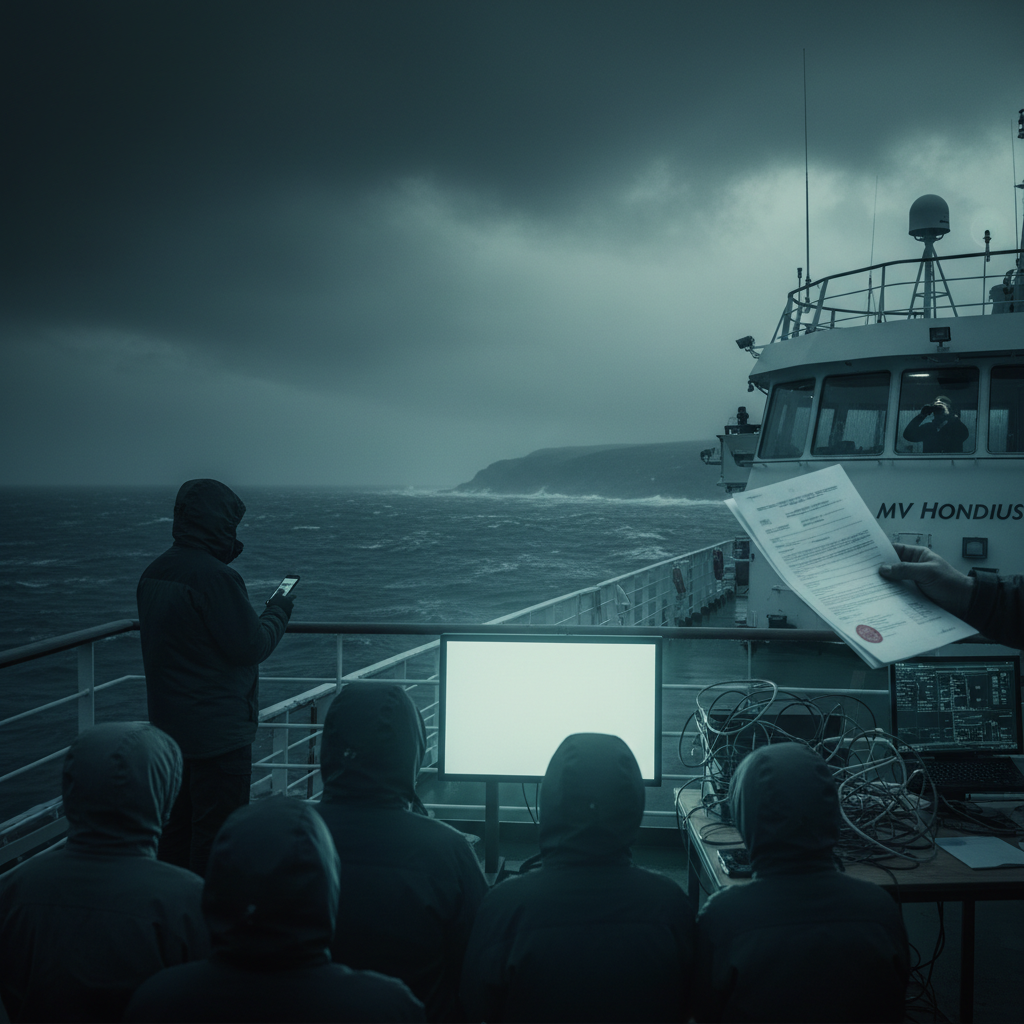
Information Scrutiny Amidst Outbreak Response
As the MV Hondius Andes remains anchored off Praia, Cape Verde, responding to a confirmed hantavirus outbreak, public health authorities are increasingly addressing a parallel challenge: the proliferation of unverified information and outright misinformation circulating across social media platforms and unvetted news sites. This phenomenon complicates effective communication, potentially undermining public trust and response efforts. Since the outbreak's initial recognition in May 2026, official bodies such as the World Health Organization (WHO), Africa Centres for Disease Control and Prevention (Africa CDC). National health ministries have consistently issued updates on the situation on board the vessel and the broader public health implications. These updates, often technical and cautious in their language, contrast sharply with narratives gaining traction online.
Discrepancies in Reporting
One recurring theme in online discussions revolves around the scale of the outbreak. Numerous posts have propagated vastly inflated figures for affected individuals and fatalities, often citing anonymous sources or fabricated documents. In contrast, official statements, including those released by the Cape Verdean Ministry of Health and directly referenced by WHO situation reports, refer to a specific number of confirmed cases and a different, lower number of associated fatalities, as of August 2026. These official figures are derived from laboratory-confirmed diagnoses and strong epidemiological investigations, in line with international health regulations. Claims about the origin of the virus have also been a bigly source of contention. While primary scientific research and epidemiological tracing, as outlined in preliminary reports from collaborating research institutions, point towards a likely zoonotic spillover event involving rodents indigenous to a specific geographical region, online theories have posited alternative, unproven origins. These include allegations of bioterrorism, laboratory leaks, or the virus being a previously unknown, rapidly mutating strain with unprecedented transmissibility. Public health experts, including those consulted by international wire services, have consistently reiterated the established scientific understanding of hantavirus transmission, which primarily occurs through contact with rodent excreta or urine, not typically person-to-person spread in a sustained manner.
Allegations of Cover-ups and Cures
A particularly insidious aspect of the misinformation landscape has been the emergence of claims suggesting a deliberate cover-up by authorities or the existence of readily available, suppressed cures. These allegations often lack any credible evidence and rely on conspiracy theories. Official communications have, conversely, focused on the established protocols for hantavirus management, including supportive care for severe cases and specific antiviral treatments where indicated, as well as the strong contact tracing and quarantine measures implemented on the vessel to prevent further spread. On the vessel's status, some online reports have falsely claimed the ship has been abandoned, or that passengers and crew are being denied essential supplies or medical attention.Repeated statements from the ship's operator, in coordination with the International Maritime Organization (IMO) and local authorities, confirm ongoing logistical support, regular health screenings. The provision of necessary medical care for all individuals on board, in accordance with international maritime and health regulations. Satellite imagery and local press reports have also provided visual confirmation of the ship's continued presence and operational status.
Public Health Messaging and Vigilance
Public health bodies have proactively engaged in countering misinformation. Dr. Matondo Nkosi, a senior epidemiologist with Africa CDC, recently urged the public to "seek information from verified sources" during an online briefing, emphasizing that "unsubstantiated claims can cause undue panic and divert critical resources." Similarly, the WHO has published guidance on verifying health information, particularly during outbreaks. Journalistic organizations, including Reuters and the Associated Press, have also dedicated resources to fact-checking prevalent online narratives related to the MV Hondius Andes. Their reporting consistently highlights discrepancies between official statements and popular online content. The ongoing challenge for health communicators remains to ensure that accurate, timely. Evidence-based information reaches the public effectively, thereby mitigating the impact of an increasingly complex and often hostile information environment.



