Operator Bulletins Detail Tight Cabin Isolation Protocols Aboard Quarantined MV Hondius
Internal communications and passenger logs submitted to maritime investigators outline strict isolation routines and logistical delays during the off-Praia quarantine.
Inside the Cabin Isolation Directive
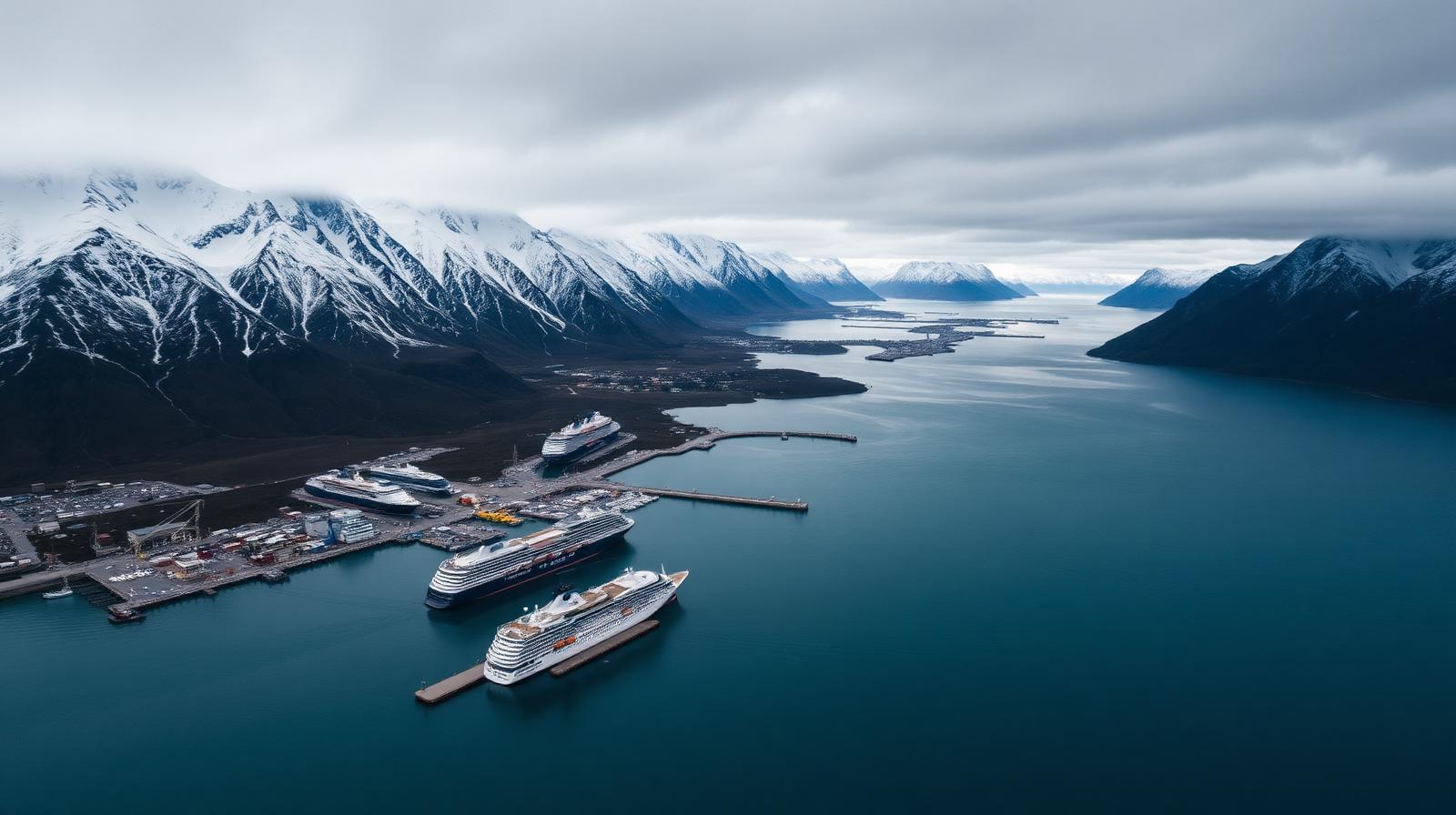
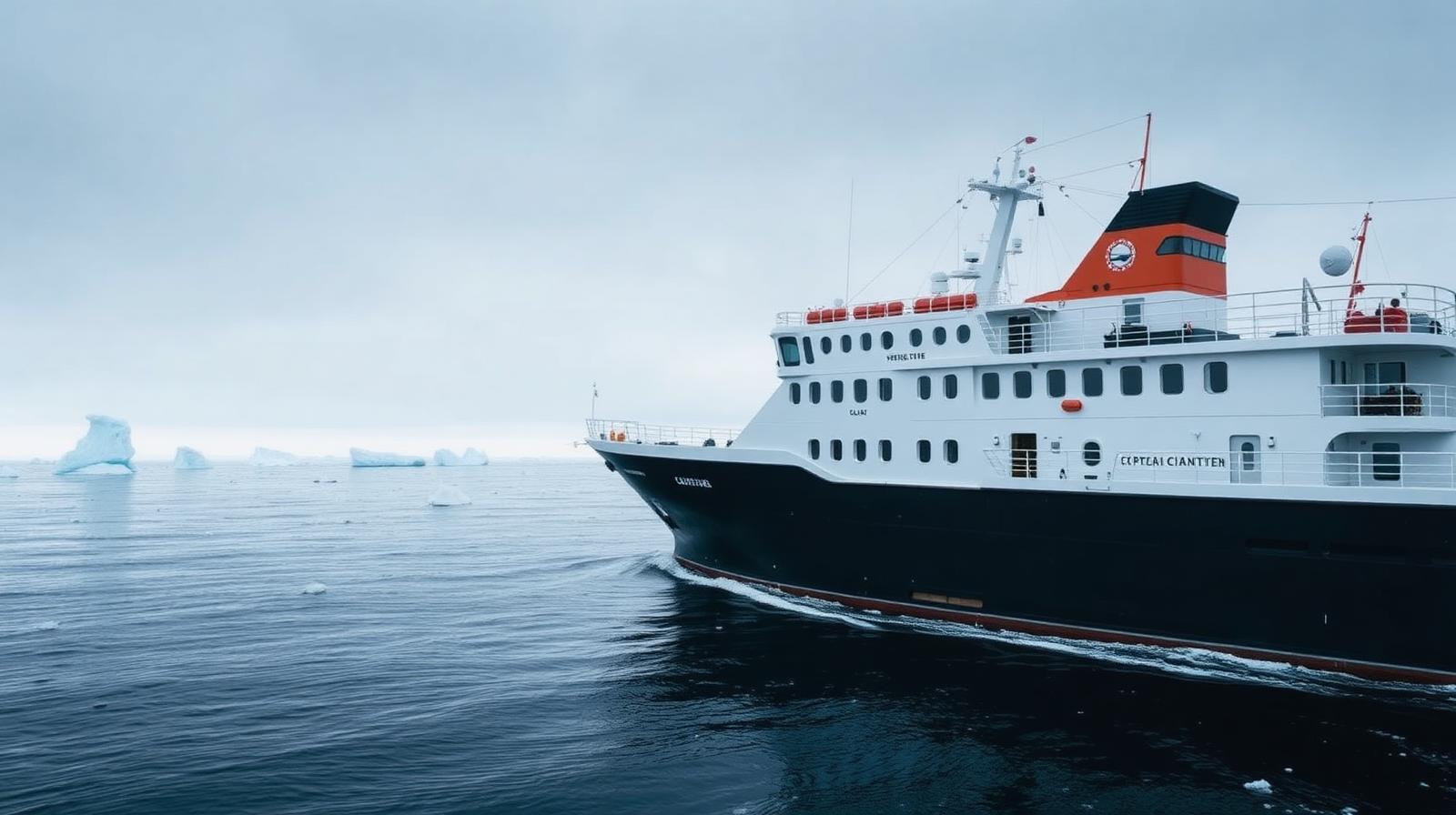
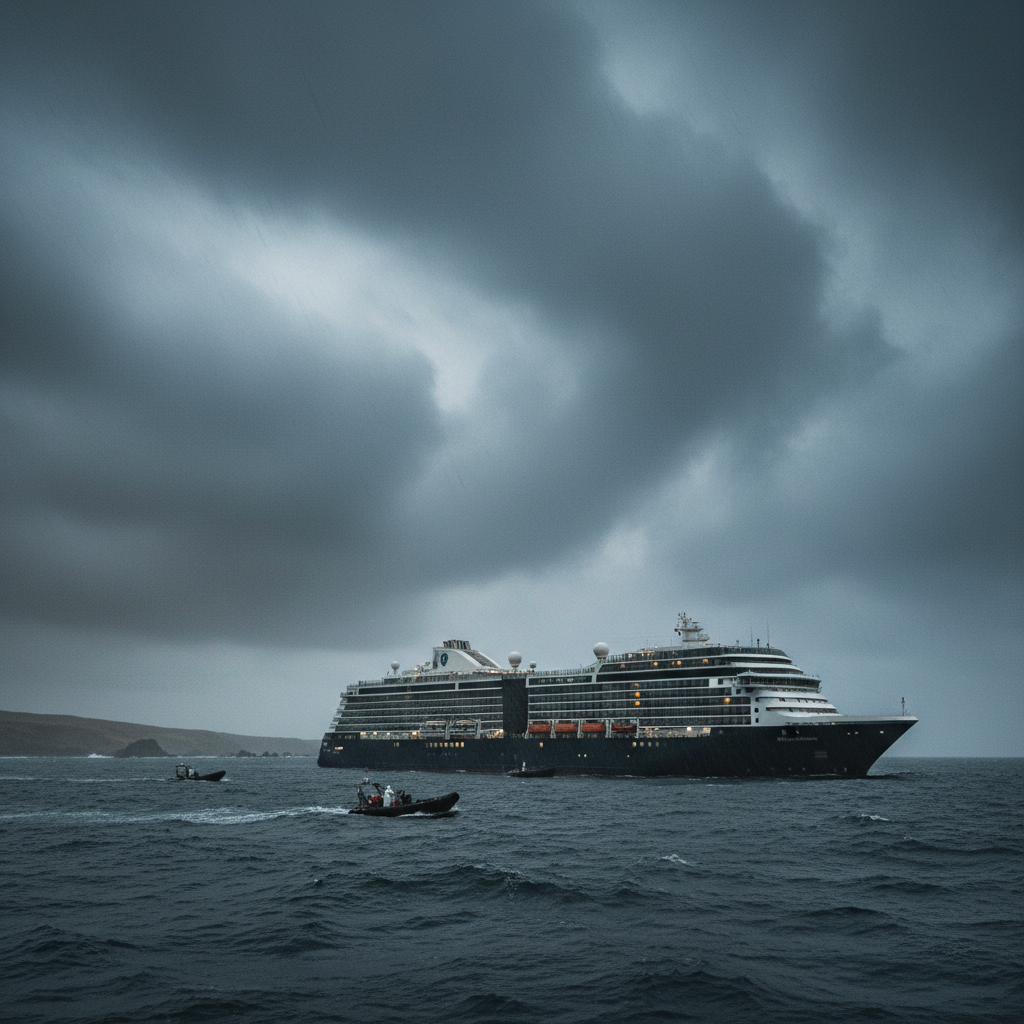
Daily communications transmitted by vessel management to passengers aboard the MV Hondius during its quarantine anchorage off Praia, Cape Verde, reveal an operational environment shaped by rigorous bio-containment protocols, communication blackouts. Complex port negotiations. Records submitted to maritime authorities and consular review panels provide a documented timeline of how life onboard contracted into individual cabins as authorities worked to contain suspected Andes hantavirus exposure. According to shipboard circulars released to international maritime inquiries, the transition from an expedition cruise schedule to full quarantine was initiated immediately following port state intervention at Praia. Passengers were instructed to remain inside their assigned staterooms with cabin doors latched, leaving quarters solely for supervised health verifications. Operator bulletins emphasized strict compliance with Cape Verdean health directives, instructing travelers to avoid common corridors and restricting deck access entirely. Crew distributions of provisions were shifted to contact-minimized delivery systems.Daily meal trays, clean linen supplies. Medical waste bags were left outside stateroom thresholds at synchronized intervals, accompanied by explicit instructions to delay opening cabin doors until distribution teams had fully cleared the passageways.
Operator Communications and Daily Operational Controls
Bulletins distributed via cabin public-address systems and printed notices slid under cabin doors detailed the operational difficulties facing the vessel. Management memos routinely acknowledged the uncertainty surrounding dock authorization, as port authorities in Praia balanced local biosecurity imperatives against humanitarian disembarkation requirements. Shipboard notices focused heavily on ventilation management and symptom reporting.Because Andes virus represents a unique hantavirus lineage with documented person-to-person transmission potential in close quarters, onboard technical teams were tasked with reconfiguring heating, ventilation. Air-conditioning (HVAC) systems. Engineering logs cited in maritime filings indicate that shared air circulation loops were minimized or shut down where technically feasible, leaving travelers to rely on independent airflow units or closed ventilation while at anchor. Passengers were required to report body temperatures twice daily via in-cabin communication lines. Operator advisories reminded occupants that any presentation of febrile symptoms, respiratory distress, or severe myalgia required immediate notification to the vessel's medical bay. Onboard medical officers conducted remote triage over cabin telephones before dispatching personnel equipped with full personal protective equipment (PPE) for clinical assessments.
Disembarkation Logistics and Bio-Containment Transport
The logistics of disembarkation remained the primary operational hurdle for consular teams, Cape Verdean health authorities, and international health agencies. Bilateral communications between flag-state representatives and Cape Verdean maritime regulators highlight the intricate criteria required before any passenger could be transported shoreside. Disembarkation was not conducted en masse. Instead, operations were structured into tightly coordinated cohorts based on clinical risk categories and onward travel logistics. According to consular updates from the period, disembarkation transfers involved:
- Staged gangway descents designed to prevent cross-cohort contact in transit corridors. - Decontamination of transit corridors and luggage holds between each departing group. - Direct dockside transfer to bio-containment transport units or secure triage areas erected at the Port of Praia. - Airfield coordination for medical evacuation charters and consular repatriation flights subject to negative screening criteria and transit clearances. Regional health agencies, including Africa CDC and the World Health Organization (WHO), worked alongside Cape Verdean public health teams to establish transit corridors that prevented community exposure on Santiago Island. Passengers cleared for departure were moved directly from port facilities to military or private airfields under escort, bypassing standard civilian passenger terminals.
Health Monitoring and Consular Coordination
For non-symptomatic passengers cleared for repatriation, disembarkation didn't mark the end of biosurveillance. Guidance issued by the European Centre for Disease Prevention and Control (ECDC) and the US Centers for Disease Control and Prevention (CDC) mandated prolonged post-travel monitoring periods covering the pathogen's known incubation window. Receiving countries instituted direct reporting protocols, requiring repatriated travelers to liaise with local public health departments and self-monitor for fever or respiratory symptoms.Consular reports noted that international coordination was complicated by varying national quarantine policies, with some destination states requiring supervised facility isolation upon return. Others mandated strict home quarantine under municipal supervision. Operator debriefs acknowledge bigly communication hurdles during the days spent at anchor, citing intermittent satellite links and the operational priority given to medical transmission channels over commercial internet access. This led to prolonged information voids for passengers and families ashore, an issue that has since drawn scrutiny from maritime passenger rights groups and safety regulators.
Regulatory Scrutiny and Maritime Protocols
The prolonged confinement off Praia has prompted broader reviews by the International Maritime Organization (IMO) on the management of high-consequence pathogens aboard expedition vessels. While standard maritime infection protocols traditionally focus on gastrointestinal illnesses such as norovirus, the respiratory and direct-contact risks associated with Andes hantavirus highlighted critical gaps in commercial isolation capabilities. Industry safety bodies are now evaluating whether existing expedition cruise designs—often built for close-quarters polar or remote transit—possess sufficient isolation infrastructure, filtration standards. Medical staffing for extended biosafety operations at sea. Detailed findings on the MV Hondius quarantine continue to inform ongoing updates to international maritime health regulations.
Sources
- World Health Organization: https://www.who.int
- European Centre for Disease Prevention and Control: https://www.ecdc.europa.eu
- Africa Centres for Disease Control and Prevention: https://africacdc.org
- US Centers for Disease Control and Prevention: https://www.cdc.gov
- International Maritime Organization: https://www.imo.org
- Reuters: https://www.reuters.com
- Associated Press: https://apnews.com