Passenger Voices Emerge from MV Hondius Andes; Disembarkation Plans Solidify
First-hand accounts from passengers aboard the quarantined MV Hondius Andes detail life under lockdown, communication challenges, and the evolving disembarkation strategy off Praia, Cape Verde. Operator updates confirm complex logistical hurdles.
Life Under Quarantine: Passenger Perspectives
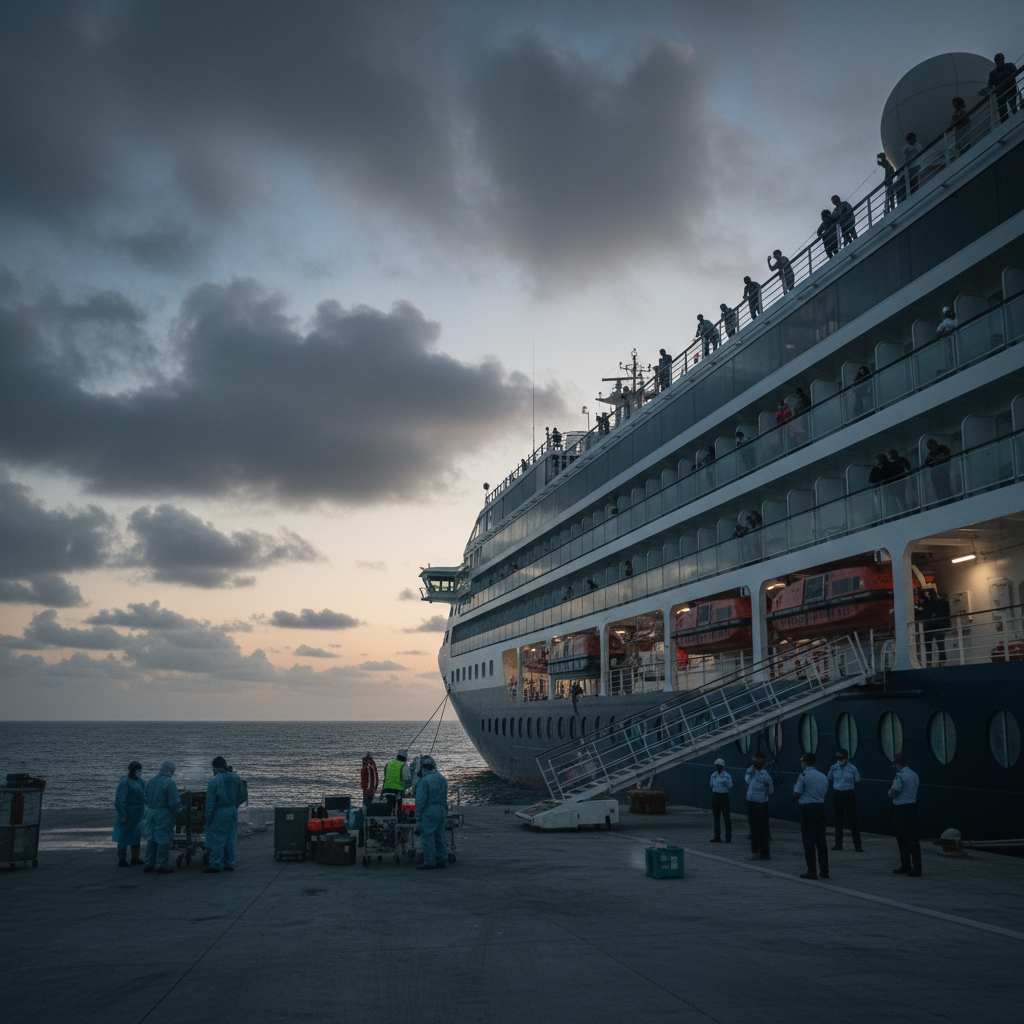
PRAIA, CAPE VERDE – As the MV Hondius Andes remains anchored off Praia, Cape Verde, since May 2026, initial firsthand accounts from passengers aboard the quarantined vessel have begun to paint a picture of daily life amidst the ongoing hantavirus outbreak response.These narratives, primarily communicated through secure satellite channels and relayed by family members to news agencies, highlight the isolation, evolving health protocols. Anxieties faced by those onboard. Passengers report a bigly shift in onboard routines. Communal areas, including dining rooms and entertainment venues, have been largely closed or operate with severely restricted access and stringent sanitization protocols.Meals are primarily delivered to cabins. Movement within the ship is often limited to designated zones or specific time slots for fresh air on open decks, with physical distancing strictly enforced. Access to medical services has been a consistent theme in passenger communications, with reports indicating dedicated medical teams and regular health check-ins for all individuals. While specific numbers of individuals experiencing symptoms are not publicly disclosed by the operator, the consistent application of isolation protocols for symptomatic passengers and close contacts is frequently mentioned. This measure, aimed at preventing further transmission, has understandably contributed to a sense of uncertainty and concern among passengers and crew.
Operator Communications and Support
Throughout the extended quarantine period, the operator of the MV Hondius Andes has maintained communications with passengers and their families, albeit with varying degrees of perceived effectiveness according to some accounts. Initial communications focused on outlining the quarantine measures and the medical response. More recently, messages have shifted to address the complex logistics of disembarkation and repatriation. Regular updates are being provided to passengers on the health status of the ship, the ongoing collaboration with international health authorities. The steps being taken to ensure the safety of all individuals. In practice, the operator has too reportedly helpd access to mental health support services for passengers and crew, recognizing the psychological toll of prolonged isolation and uncertainty. Support services, including internet access and provisions for essential supplies, have been subject to the logistical constraints of the remote location and the quarantine status. While some passengers have expressed satisfaction with the efforts, others have noted challenges in consistent connectivity or the availability of specific personal items. These are common challenges in long-term maritime quarantines, as recognized by the International Maritime Organization (IMO).
Disembarkation and Repatriation Logistics Take Shape
The central focus now for passengers, the operator, and international agencies is the impending disembarkation and repatriation. This process, as outlined in recent communications from the operator and corroborated by statements from health authorities, is exceptionally complex due to the nature of the hantavirus and the international composition of those aboard. The disembarkation plan is being developed in close coordination with the World Health Organization (WHO), Africa CDC. Relevant national health ministries, including that of Cape Verde and the countries of origin for passengers and crew. Key elements of the plan reportedly include:
- Health Screening: A comprehensive final health screening for all individuals before they're permitted to leave the ship. This includes medical examinations and potentially laboratory testing, depending on the most current guidance from public health bodies. * Phased Disembarkation: A staged approach to disembarkation, likely prioritizing individuals deemed medically stable and those with specific nationality requirements or repatriation arrangements. * Repatriation Flights: Chartering specialized flights equipped with medical personnel and appropriate biosafety measures to transport passengers and crew to their home countries. Worth noting: this necessitates careful coordination with destination countries to ensure seamless entry and further health monitoring if required. * Logistical Hubs: The potential establishment of temporary logistical hubs on land in Praia, under strict bio-containment protocols, to help transit for individuals awaiting flights or further processing. * Continued Monitoring: Recommendations for post-disembarkation health monitoring or self-isolation periods in destination countries, based on individual risk assessment and the latest public health guidance from WHO. The complexity is further compounded by varying national entry requirements and health advisories. The European Centre for Disease Prevention and Control (ECDC) and the US Centers for Disease Control and Prevention (US CDC) have been providing guidance to their respective member states and citizens regarding travel restrictions and health precautions related to hantavirus. While a precise timeline for full disembarkation has not been publicly announced, the ongoing coordination between maritime authorities, health organizations. Diplomatic missions indicates that bigly progress is being made towards a safe and orderly conclusion to this unprecedented quarantine event.



