Passengers Detail Hondius Andes Quarantine Experience; Disembarkation Plans Emerge
Months into an unprecedented hantavirus quarantine, passengers aboard the MV Hondius Andes share harrowing accounts of life at sea, while operator Oceanwide Expeditions outlines complex repatriation strategies coordinated with international health bodies.
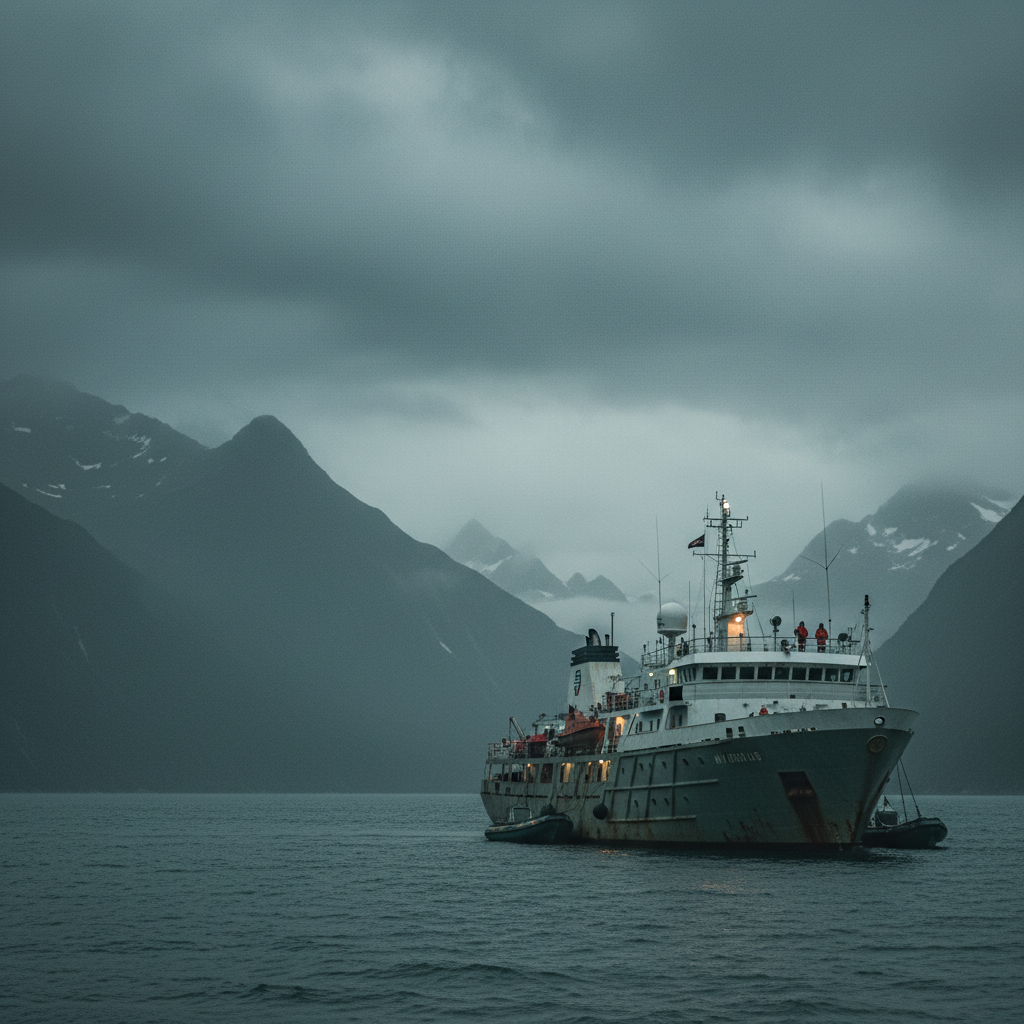
Onboard Accounts Detail Prolonged Isolation
PRAIA, CAPE VERDE – Passengers aboard the MV Hondius Andes, currently anchored off the coast of Praia, Cape Verde, have provided verified accounts detailing the protracted and challenging conditions of the hantavirus quarantine, now extending several months since the initial outbreak in May 2026. These firsthand reports, disseminated through limited yet authenticated communications channels, paint a picture of psychological strain and evolving public health measures implemented onboard. Initial communications from passengers shortly after the vessel was placed under quarantine described rapidly changing protocols, including enhanced sanitation, isolation of symptomatic individuals. Restricted movement across the ship's decks. As the quarantine progressed, reports indicate a shift towards more structured health monitoring, with regular temperature checks and medical assessments becoming routine. Access to fresh air and outdoor spaces has been cited as a critical factor in maintaining morale, though often limited and highly supervised to prevent potential cross-contamination. Sources close to affected passengers indicate a spectrum of experiences, from individuals expressing understanding of the necessary public health measures to others detailing frustration over the indefinite nature of their confinement and perceived inconsistencies in information flow. The lack of a firm end date for the quarantine has been a recurring theme in passenger communications, contributing to heightened anxiety. While specific numbers of affected individuals or fatalities remain unreleased by official channels, the duration of the quarantine underscores the serious public health challenge posed by the outbreak.
Operator Communications and Evolving Protocols
Oceanwide Expeditions, the operator of the MV Hondius Andes, has maintained communications with passengers and their families, acknowledging the extraordinary circumstances. Initial communications focused on immediate health and safety protocols and reassurance regarding medical care onboard. As the situation evolved, the emphasis shifted to longer-term support, including mental health resources and updates on the ongoing dialogue with international health and maritime authorities. The operator has confirmed that its primary objective remains the health and safety of all individuals onboard, alongside compliance with directives from the World Health Organization (WHO), Africa Centres for Disease Control and Prevention (Africa CDC). Cape Verdean health authorities. Communications from Oceanwide Expeditions have referenced continuous collaboration with these bodies to develop appropriate epidemiological strategies for containment and eventual repatriation. While specific internal communications are not publicly released, general statements from the operator have indicated the implementation of rigorous infection control procedures, waste management protocols. Provision of essential supplies to all individuals onboard. The complexity of managing an infectious disease outbreak of this nature on a cruise vessel, far from established medical infrastructure, has been repeatedly highlighted by maritime health experts.
Complex Disembarkation and Repatriation Logistics Underway
As of September 2026, initial details regarding a multi-phase disembarkation and repatriation plan for the MV Hondius Andes have begun to emerge. The plan, developed in concert with multiple international stakeholders, emphasizes a carefully coordinated approach to minimize public health risks at destination ports. Key components of this strategy include medical screening, categorized groupings of passengers and crew based on health status and exposure risk, and controlled transport logistics. Disembarkation is not expected to be a single event. Instead, reports suggest a phased approach, potentially involving medical evacuation for individuals requiring urgent care, followed by groups cleared for travel under strict monitoring. The selection of specific disembarkation ports remains a critical and sensitive negotiation, requiring agreement from multiple national governments and adherence to strict international health regulations (IHR). According to publicly available statements from relevant authorities, all individuals departing the vessel will undergo further health assessments and, where necessary, isolation periods upon arrival at their home countries. The International Maritime Organization (IMO) has been involved in advising on the legal and logistical frameworks for this complex operation, emphasizing the need for international cooperation to help safe and dignified repatriation while protecting global public health.The unprecedented nature of a prolonged hantavirus outbreak on a cruise ship has required innovative solutions and strong coordination among health, maritime. Diplomatic channels to navigate the challenges of disembarkation and ensure continued public safety.



