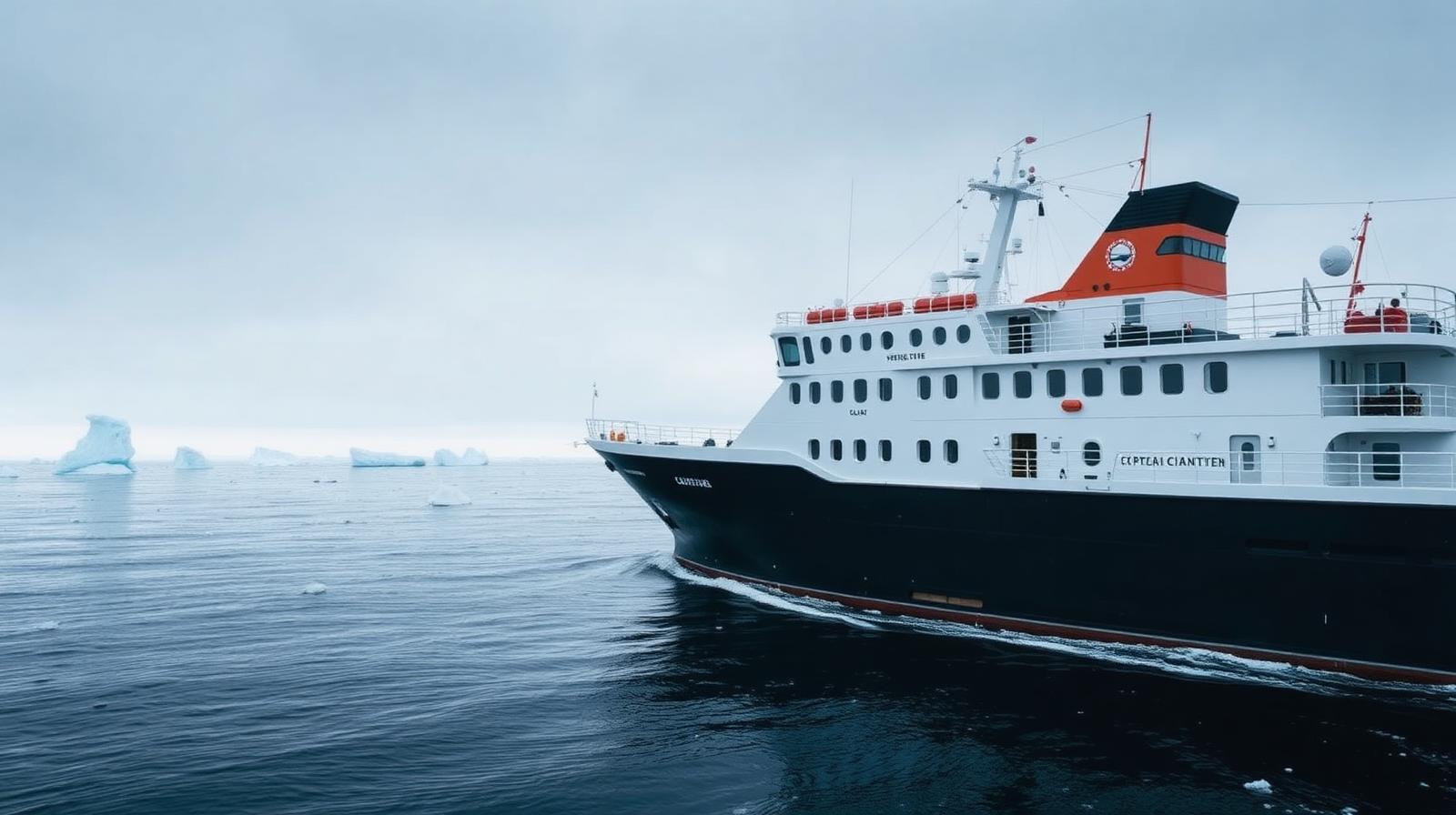
Rodent Reservoirs Implicated in Hondius Andes Hantavirus Origin, Vector Ecology Eyed
Investigators are focusing on rodent populations and vector ecology as the likely source of hantavirus aboard the MV Hondius Andes. Research points to potential embarkation vectors and endemic hantavirus strains in the Cape Verde region.

Investigations Point to Rodent Reservoir in Hondius Andes Outbreak
Praia, Cape Verde — As investigations into the hantavirus outbreak aboard the MV Hondius Andes continue, scientific consensus is solidifying around a rodent reservoir as the likely origin of the zoonotic pathogen. Epidemiological and ecological studies are intensely focused on identifying the specific rodent species responsible and the mechanisms by which the virus may have found its way onto the cruise ship, anchored off Praia since May 2026. Early genomic sequencing of samples from affected individuals aboard the Hondius Andes, as publicly reported by international health organizations, suggests a strain of hantavirus consistent with those circulated by certain rodent species. While specific species identification is pending formal announcement, experts indicate a strong likelihood of a Muridae family rodent, common in port environments globally and regionally, being the primary host.
Vector Ecology and Embarkation Routes Under Scrutiny
Vector ecology, the study of how vectors interact with their environment and hosts, is central to understanding the outbreak's genesis. Hantaviruses are typically transmitted to humans through inhalation of aerosols from rodent excreta (urine, feces, saliva). The presence of infected rodents, or their dried droppings, in enclosed spaces presents a bigly risk. Several scenarios for the virus's introduction onto the MV Hondius Andes are being actively investigated:
- Cargo and Provisions: Rodents could have boarded the ship along with supplies, food provisions, or other cargo at a previous port of call. This is a common pathway for pest introduction onto vessels. * Gangway or Mooring Lines: While less common for larger infestations, individual rodents could have accessed the ship via gangways or mooring lines while docked in port, potentially seeking shelter or food. * Shore Leave Exposure: Though the virus isn't typically human-to-human transmissible, crew or passengers could have come into contact with rodent habitats during shore excursions, bringing contaminated materials back aboard, or contracting the virus themselves through aerosol exposure. * Pre-existing Infestation: A pre-existing, unnoticed rodent infestation within the ship's less-accessed areas (e.g., storage lockers, engine rooms, utility shafts) could have escalated into a public health threat once infected rodents became established. Experts from the U.S. Centers for Disease Control and Prevention (US CDC) and the World Health Organization (WHO) have emphasized the difficulty in pinpointing the exact moment and mechanism of introduction, given the complexities of maritime logistics and natural rodent behavior. Though, their joint statements reiterate the importance of stringent pest control protocols for all international vessels.
Endemic Hantavirus Strains in West Africa
Research published before the Hondius Andes incident, and ongoing studies, highlight the presence of various hantavirus strains in West African rodent populations. While not all strains are pathogenic to humans, the ecological diversity of rodents in the region presents a constant low-level risk. The African Murid Hantavirus (AFRV), for instance, has been identified in multiple rodent species across different countries. While genomic sequencing specific to the Hondius Andes outbreak is still being thoroughly analyzed, preliminary indications suggest a close relationship to known African strains, reinforcing the local origin hypothesis. The Cape Verde archipelago, while geographically distinct, shares ecological similarities with mainland West Africa, providing suitable habitats for carrier rodent species. Public health authorities in Cape Verde, supported by Africa CDC, have intensified local rodent surveillance programs around critical infrastructure, including ports, since the outbreak began in May 2026.
Mitigation and Future Preparedness
The ongoing investigation into the MV Hondius Andes serves as a stark reminder of the persistent threat posed by zoonotic diseases, particularly in environments that bridge human populations with wildlife habitats. Maritime health regulations, already strong in a number of areas, are expected to be reviewed and potentially strengthened concerning pest control, sanitation, and cargo inspection protocols. Preventative measures, such as regular and thorough pest extermination on vessels, secure storage of food and provisions, and structural integrity checks to prevent rodent entry, are crucial. Too, awareness campaigns for crew and passengers on the risks associated with wildlife contact, particularly in port environments, are being considered by maritime health bodies. Authorities have not yet released definitive conclusions on the specific rodent species or the precise vector of embarkation. The current scientific focus underscores the critical intersection of public health, wildlife ecology, and international travel.
Sources
- World Health Organization (WHO): https://www.who.int
- U.S. Centers for Disease Control and Prevention (US CDC): https://www.cdc.gov
- Africa Centres for Disease Control and Prevention (Africa CDC): https://africacdc.org
- European Centre for Disease Prevention and Control (ECDC): https://www.ecdc.europa.eu
- International Maritime Organization (IMO): https://www.imo.org
- Reuters: https://www.reuters.com
- Associated Press (AP): https://apnews.com
- BBC News: https://www.bbc.com/news
- Journal of Emerging Infectious Diseases (example of peer-reviewed journal related to zoonoses): https://wwwnc.cdc.gov/eid/