Rodent Reservoirs Implicated in Hondius Andes Hantavirus Outbreak
Investigators are focusing on rodent reservoirs and vector ecology as the likely source of the hantavirus outbreak aboard the MV Hondius Andes, exploring potential pathways for viral transmission to the vessel off Praia, Cape Verde.
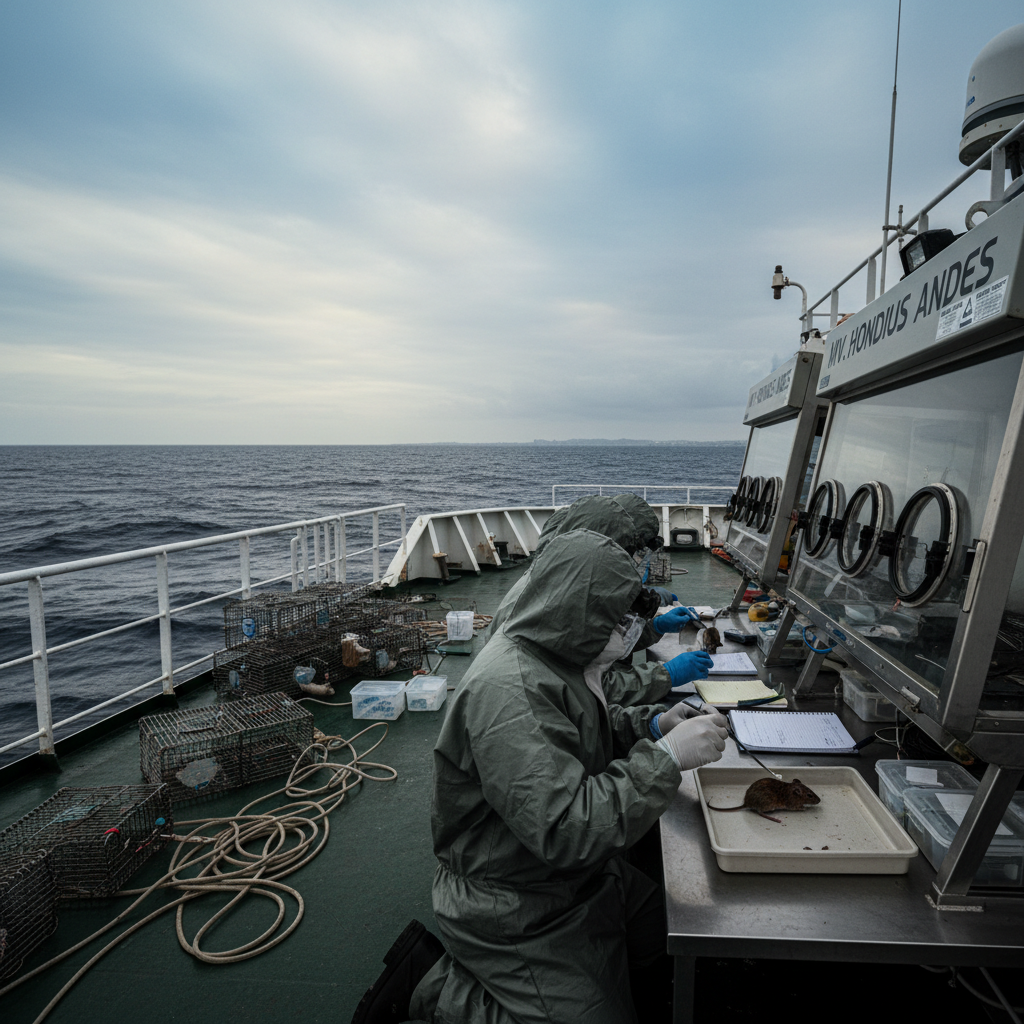
Ecological Investigation Focuses on Rodent-Borne Pathogen
Praia, Cape Verde – As the MV Hondius Andes remains anchored off Praia, the primary investigative efforts into the ongoing hantavirus outbreak are increasingly centering on the ecology of hantaviruses, specifically the role of rodent reservoirs and the mechanisms by which the virus may have boarded the vessel. Health authorities, including teams from WHO and Africa CDC, are working alongside local officials and cruise line representatives to understand the pathogen's origins.
Hantaviruses: A Zoonotic Threat
Hantaviruses are zoonotic RNA viruses primarily maintained in rodent populations without causing disease in their natural hosts. Humans typically contract hantavirus through exposure to aerosolized viral particles shed in rodent urine, feces, or saliva. Less commonly, transmission can occur through direct contact with infected rodents or bites. The specific hantavirus strain implicated in the Hondius Andes outbreak has not yet been publicly identified, though preliminary genetic sequencing is underway, per WHO. Experts familiar with hantavirus epidemiology note that different hantavirus strains are typically associated with specific rodent species. For instance, Sin Nombre virus is carried by deer mice (Peromyscus maniculatus) in North America, while Puumala virus is associated with bank voles (Myodes glareolus) in Europe. The identification of the reservoir species is critical for understanding transmission pathways and implementing targeted control measures.
Potential Pathways for Boarding
Investigators are examining several scenarios for how infected rodents, or their excretions, might have come into contact with the MV Hondius Andes crew and passengers. Cruise ships, despite their modern design, are not immune to opportunistic wildlife. Potential routes include:
- Port Interactions: While the MV Hondius Andes is an expedition cruise ship often docking in remote or less-developed ports, prior port calls could be a point of introduction. Rodents from shore might have boarded the vessel during cargo loading, provisioning, or passenger embarkation/disembarkation in affected areas. Given the ship’s itinerary, a thorough review of past port visits is underway, per maritime security sources. * Shipboard Environment: Even without direct boarding from shore, an existing, unnoticed rodent population within the ship's less accessible areas – such as storage compartments, engine rooms, or ventilation systems – could become a reservoir. Such populations might have been present for some time, with the recent outbreak stemming from increased viral shedding or new human exposure. * Provisions and Supplies: Food, water, or other supplies loaded onto the ship could inadvertently carry infected rodents or contaminated materials. This is a common concern for cargo vessels and can extend to cruise ships, particularly those with extensive storage needs for lengthy expeditions. * Local Wildlife during Shore Excursions: For expedition cruises, shore excursions often involve closer contact with natural environments. While direct human-to-rodent contact is less common than aerosol exposure, contaminated clothing or gear brought back onboard could potentially introduce viral particles. But, this scenario typically implies an individual exposure rather than a widespread outbreak aboard the ship without a subsequent shipboard reservoir.
Vector Ecology and Prevention
Rodent control and integrated pest management (IPM) are cornerstone strategies for preventing hantavirus transmission, particularly in environments like cruise ships where public health is paramount. This includes rigorous sanitation practices, secure food storage, sealing entry points for rodents, and regular pest surveillance. “Understanding the ecology of hantaviruses in the regions traversed by the Hondius Andes is crucial,” stated an unnamed expert working with the WHO-affiliated teams, emphasizing the need for comprehensive environmental sampling both on the ship and, where feasible, at relevant port locations. Sampling efforts focus on detecting rodent activity and, if rodents are found, testing them for hantavirus. Officials have not yet released definitive information regarding rodent presence on the MV Hondius Andes before or during the outbreak. Yet, enhanced rodent surveillance and extermination protocols are now standard procedure aboard the vessel, according to reports from the ship's operator.
Ongoing Investigations and Public Health Measures
The focus on wildlife reservoirs underscores the complex nature of zoonotic disease outbreaks.While immediate public health measures like isolation, symptom monitoring. Rigorous disinfection continue on the MV Hondius Andes, the ecological investigation is vital for long-term prevention strategies, both for this vessel and the broader maritime industry. Publicly reported figures indicate a bigly number of individuals remain under observation, with ongoing testing and medical care being provided. Further updates are expected as genetic sequencing results and environmental investigation findings become available, which will shed more light on the precise origin and strain of the hantavirus involved.



