Rodent Reservoirs: Investigating the Hantavirus Origin Aboard MV Hondius Andes
New insights emerge into potential hantavirus origins on the MV Hondius Andes, focusing on rodent reservoirs and vector ecology. Officials explore how infected wildlife may have boarded the vessel off Praia, Cape Verde.
Tracing the Source: Rodent Vectors Under Scrutiny
PRAIA, CAPE VERDE — As investigations into the Hantavirus outbreak aboard the MV Hondius Andes continue, epidemiological efforts are increasingly centered on identifying the reservoir species responsible for the initial transmission. Public health officials and infectious disease experts are examining the ecology of hantaviruses relevant to the region and the plausible pathways for an infected animal to have accessed the vessel, anchored off Praia since May 2026. Hantaviruses are known to be zoonotic, primarily transmitted to humans through contact with the urine, droppings, or saliva of infected rodents. Unlike many other viral pathogens, hantaviruses are not typically transmitted directly from person to person. This fundamental characteristic has directed the focus of the ongoing inquiry towards the potential presence and activities of rodents on the MV Hondius Andes.
The Rodent Connection: A Global Perspective
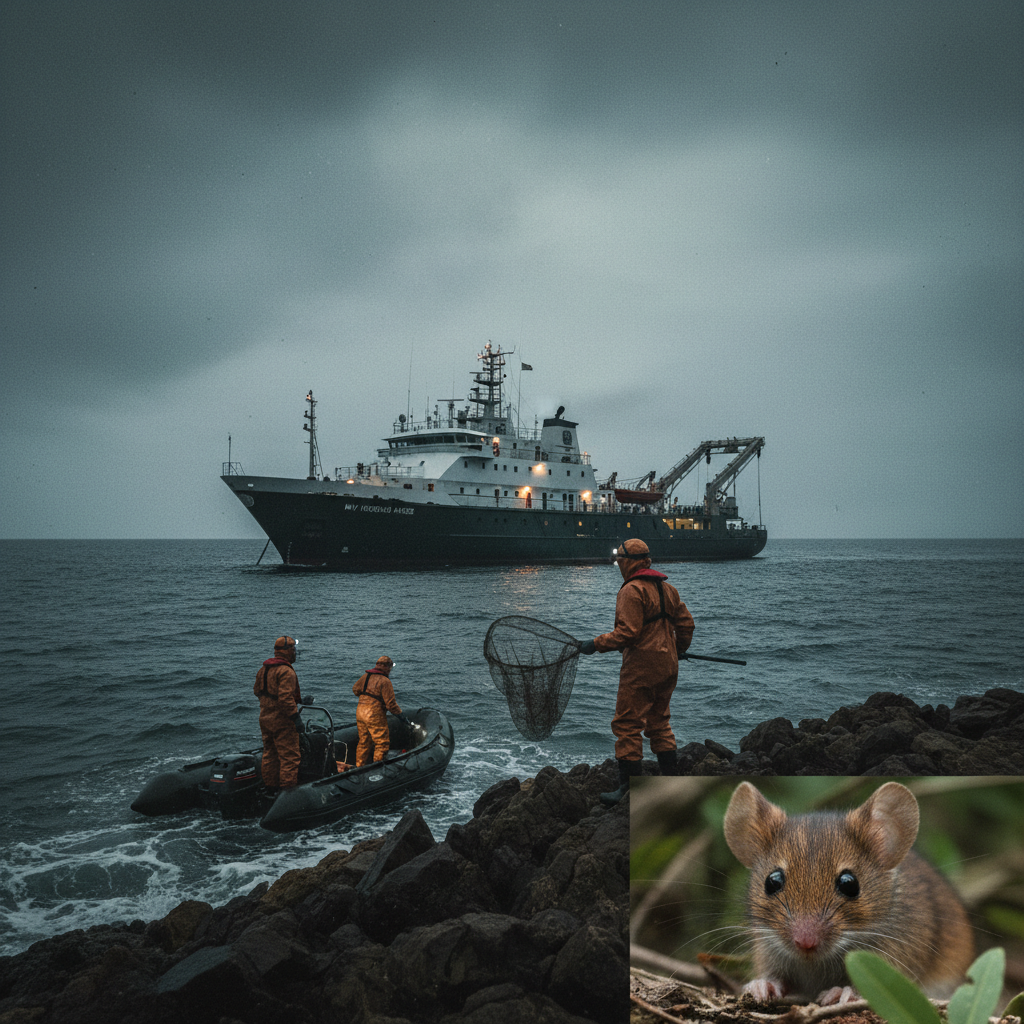
Globally, different hantavirus strains are associated with specific rodent hosts. For instance, Sin Nombre virus, common in the Americas, is carried by deer mice ( Peromyscus maniculatus ). In Europe and Asia, species like the bank vole ( Myodes glareolus ) and the striped field mouse ( Apodemus agrarius ) are primary reservoirs for viruses causing Hemorrhagic Fever with Renal Syndrome (HFRS). The specific strain identified in the current outbreak, as reported by health authorities, will guide investigations into the likely rodent host. Experts from the World Health Organization (WHO) and regional bodies such as the Africa Centres for Disease Control and Prevention (Africa CDC) have emphasized the importance of comprehensive environmental surveillance. This includes trapping and testing rodent populations both on the vessel and in potential proximate land areas, such as the port of Praia, or previous ports of call, if relevant. But, as of September 4, 2026, specific findings regarding reservoir species on board the MV Hondius Andes have not yet been publicly released by authorities.
Potential Pathways for Boarding
The question of how an infected rodent could have boarded a large passenger vessel like the MV Hondius Andes is a critical aspect of the investigation. Several scenarios are being considered by maritime health and infectious disease experts:
- Port Contamination: Rodents are common in port environments worldwide. During docking periods, especially in areas with inadequate pest control or where cargo is loaded and unloaded, rodents can find opportunities to access ships. Gangways, mooring lines, and cargo slings offer potential bridges. Given the vessel's initial trajectory and anchorage off Praia, the port environment remains a primary area of interest. 2. Stowaways in Supplies/Cargo: Provisions, luggage, or supplies brought onto the ship could inadvertently harbor rodents. Even if strict pest control measures are in place for direct cargo, smaller, less obvious consignments could present a risk. This pathway would require a careful review of manifests and supply chain logistics before the outbreak. 3. Onboard Infestation: While cruise ships typically maintain rigorous hygiene and pest control protocols, complete eradication of rodents can be challenging, particularly if a minor population establishes itself in secluded areas not regularly accessed by crew. An existing, undetected rodent population could have been the source, though this is considered less likely for a highly managed modern vessel. 4. Shore Excursions (Indirect): While less direct for a rodent to board, interactions during shore excursions could potentially introduce the virus if crew or passengers brought contaminated items back, or if rodent-infested areas were accessed. Though, direct contact with rodent excreta is generally required for transmission, making direct boarding by an animal a more probable scenario for the initial vector.
Vector Ecology and Transmission
The ecology of hantaviruses dictates that the risk is highest in areas where human activity overlaps with infected rodent habitats. Factors such as weather patterns influencing rodent populations, food availability, and human disturbance of natural habitats can all play a role in disease emergence. The specific environment of the Cape Verde archipelago, including its rodent species and their interactions with human infrastructure, is being examined. Preventative measures on ships typically include regular pest surveillance, bait stations, and ensuring secure entry points to minimize rodent access. The effectiveness of these measures on the MV Hondius Andes in the period leading up to the outbreak is likely a key point of inquiry for maritime health authorities and the International Maritime Organization (IMO). As the MV Hondius Andes remains anchored, the emphasis remains on containment and understanding the full epidemiological picture. Identification of the specific rodent reservoir and the mode of introduction will be crucial for developing strong future prevention strategies for maritime travel.