Rodent Reservoirs Key to Hondius Andes Hantavirus Origin Investigation
Investigators are focusing on peridomestic rodent populations in Cape Verde as the likely source of the hantavirus outbreak on the MV Hondius Andes. Experts are examining vector ecology and potential boarding mechanisms.
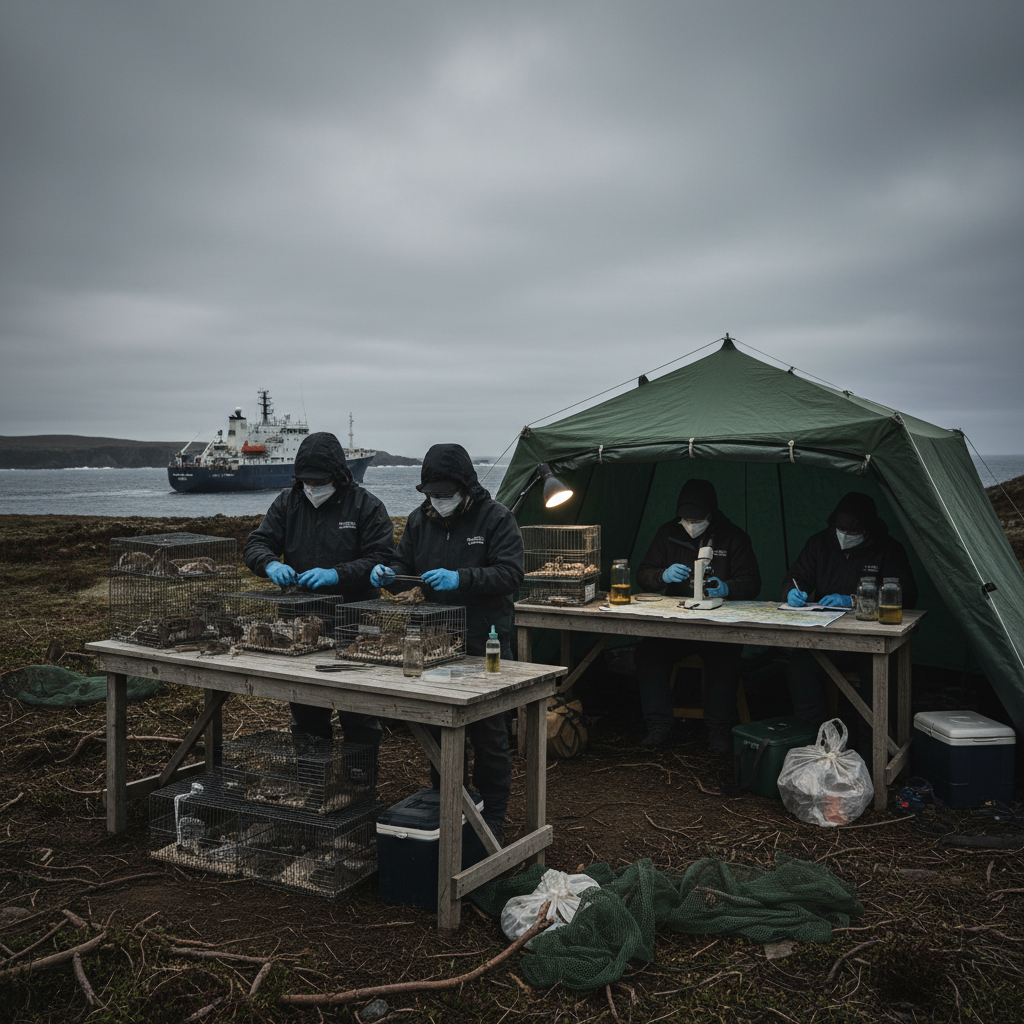
Investigations Point to Rodent Origin on Cape Verde
PRAIA, CAPE VERDE — As investigations into the May 2026 hantavirus outbreak aboard the MV Hondius Andes continue, epidemiological and ecological analyses are increasingly pointing towards local rodent populations in Cape Verde as the probable wildlife reservoir. Health authorities, collaborating with wildlife experts, are working to understand the specific species involved and the mechanisms by which the hantavirus, typically found in terrestrial mammals, could have boarded the cruise vessel. Initial findings, per analyses shared by international health organizations as of early October 2026, suggest a hantavirus strain consistent with variants circulating in West Africa. While specific rodent species in Cape Verde capable of hosting hantaviruses are under active study, several genera are known to act as reservoirs for different hantaviruses globally. This localized focus shifts attention from broader continental movements to the immediate port environment and supply chain logistics.
Understanding Vector Ecology and Transmission
Vector ecology, the study of how vectors (in this case, rodents) interact with their environment and host pathogens, is central to the ongoing inquiry. Experts are examining the habits and distribution of rodent species in and around the port of Praia, where the MV Hondius Andes made its last port call before the outbreak became evident. Hantaviruses are primarily transmitted to humans through inhalation of aerosols contaminated with rodent urine, feces, or saliva. Direct contact with infected rodents or bites can as well lead to transmission, though less commonly. Questions persist on the specific rodent species implicated. While Rattus rattus (black rat) and Mus musculus (house mouse) are common synanthropic rodents found globally and often associated with maritime environments, other local species could also serve as reservoirs. The specific hantavirus strain detected on the Hondius Andes will guide researchers in identifying the most likely host species through serological and genetic profiling of local rodent populations. Ecological studies are considering factors such as local climate, food availability. Human-induced habitat changes that might influence rodent population dynamics and their proximity to human infrastructure, including port facilities. Increased rodent activity near loading docks or storage areas could elevate the risk of virus shedding and potential exposure.
How the Virus Boarded the Vessel
The critical unanswered question remains how infected rodents or contaminated materials made their way onto the MV Hondius Andes. Several scenarios are being considered by maritime and public health investigators:
- Cargo and Provisions: Rodents could have boarded via contaminated food supplies, equipment, or other cargo loaded during the port call in Praia. Unsealed containers or improperly stored provisions could provide entry points and harborage. * Gangways and Mooring Lines: During docking, rodents could have used gangways, mooring lines, or other direct connections between the ship and the shore to gain access. Standard maritime practices include rat guards on mooring lines, though these are not always foolproof. * Stowaways: While less likely for hantavirus due to the primary transmission route, infected rodents could have simply boarded as undetected stowaways within the ship's structure, seeking shelter and food. * Pre-existing Infestation: Though denied by the cruise line, the possibility of a pre-existing, undetected rodent infestation can't be entirely ruled out without comprehensive inspection reports from before the Praia stop. But, the epidemiological timeline points strongly to exposure during or shortly after the Praia port call. Maritime health protocols typically include pest control measures and surveillance. The outbreak has prompted a re-evaluation of these protocols by the International Maritime Organization (IMO) and individual cruise lines, particularly for vessels operating in regions known for specific zoonotic disease risks. Ensuring strong rodent exclusion, ongoing pest management, and strict hygiene in provision loading areas are paramount to preventing future incidents. Investigators are compiling detailed manifests of provisions and cargo taken aboard in Praia, along with surveillance footage from the port and ship, to reconstruct the moments leading up to the potential breach. The findings will be crucial for developing enhanced biosecurity measures for cruise ships and other maritime vessels worldwide.
Sources
- World Health Organization (WHO):
https://www.who.int - U.S. Centers for Disease Control and Prevention (US CDC):
https://www.cdc.gov - European Centre for Disease Prevention and Control (ECDC):
https://www.ecdc.europa.eu - Africa Centres for Disease Control and Prevention (Africa CDC):
https://africacdc.org - International Maritime Organization (IMO):
https://www.imo.org - Reuters:
https://www.reuters.com - Associated Press (AP):
https://apnews.com - BBC News:
https://www.bbc.com/news



