Rodent Reservoirs Key to MV Hondius Andes Hantavirus Origin Probe
Investigators are focusing on peridomestic rodents as the probable source of the hantavirus outbreak aboard the MV Hondius Andes, with vector ecology studies now paramount in understanding how the virus may have boarded the vessel off Cape Verde.
Investigations Zero in on Rodent Ecology
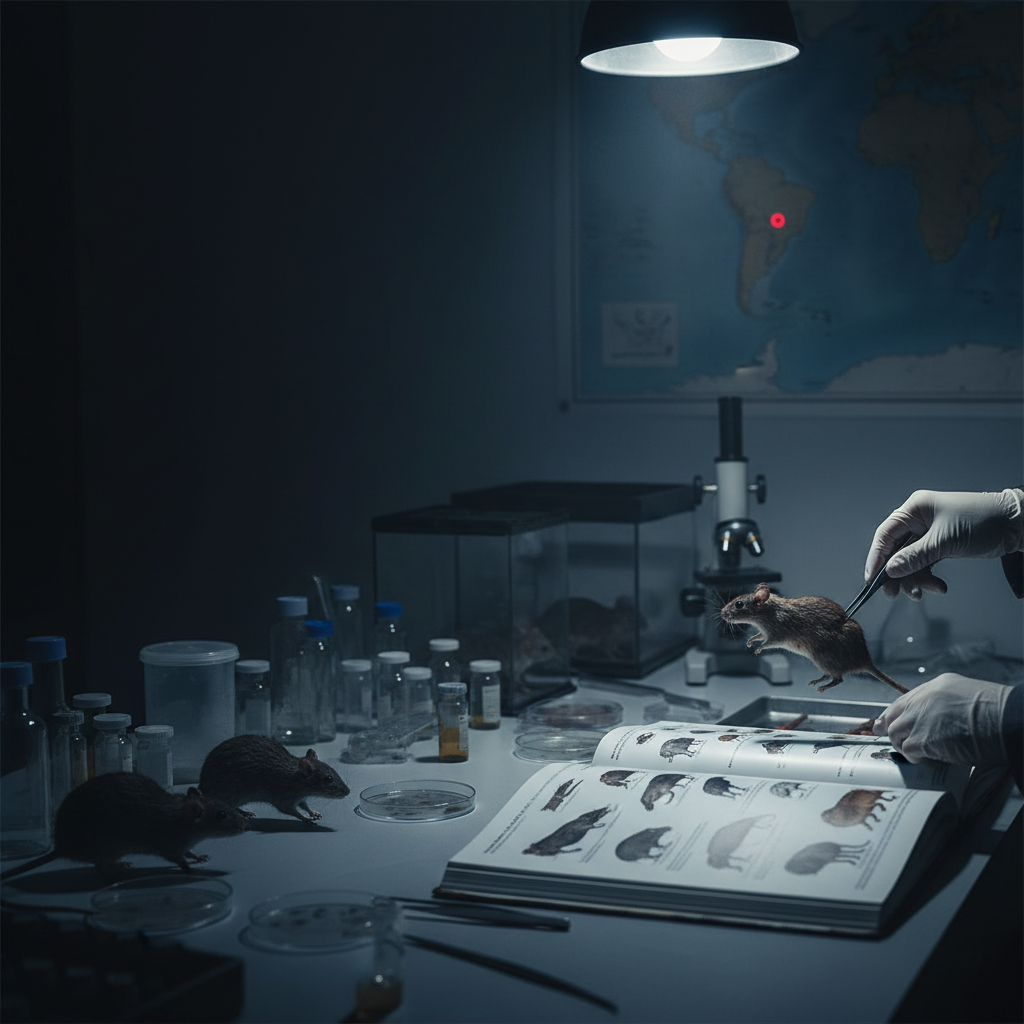
PRAIA, CAPE VERDE – Investigations into the hantavirus outbreak on the MV Hondius Andes are increasingly centering on the role of rodent reservoirs and the intricate dynamics of vector ecology, according to international health organizations monitoring the situation. Public health experts and virologists are examining how peridomestic rodent populations, known carriers of hantaviruses, might have interacted with the vessel, potentially leading to the May 2026 outbreak. While specific hantavirus types are typically associated with particular rodent species, the precise strain implicated in the MV Hondius Andes event has not yet been publicly identified by health authorities. Yet, the general consensus among infectious disease specialists is that the virus originated from a rodent host. Hantaviruses are zoonotic, meaning they're transmitted from animals to humans, primarily through aerosols of infected rodent urine, feces, or saliva. Direct contact with rodents or their nests, or bites, are less common though possible routes of transmission.
Peridomestic Rodents and Maritime Environments
The presence of rodents on ships is a well-documented challenge for maritime health and sanitation. Species such as the house mouse (Mus musculus) and various species of rats, including the black rat (Rattus rattus) and brown rat (Rattus norvegicus), are commonly found in port environments and can stow away on vessels. These species are known to adapt well to human-dominated environments, including cargo holds, machinery spaces, and provisions areas on ships. Experts suggest that the MV Hondius Andes, like any other vessel, could have inadvertently harbored such rodents during a port call or even while anchored. The duration of the vessel's prior voyages and its itinerary before arriving off Praia are under scrutiny.A critical aspect of the investigation involves determining which ports the MV Hondius Andes visited before the outbreak. Assessing the prevalence of hantavirus-carrying rodent species in those specific areas. Environmental sampling, if undertaken, would seek to identify rodent DNA or hantavirus RNA on board, providing crucial evidence.
Potential Boarding Scenarios
Several scenarios are being considered for how infected rodents, or hantavirus itself, could have boarded the MV Hondius Andes:
- Stowaway Rodents: Rodents could have boarded the ship while it was docked in a port with active hantavirus transmission among local rodent populations. They might have sought shelter or food on board, particularly if cargo was being loaded or unloaded, creating opportunities for access. Such rodents could then establish populations within the vessel or simply shed viral particles in areas accessible to humans. 2. Contaminated Cargo: Cargo originating from areas with hantavirus-infected rodents could have been contaminated with rodent excreta containing the virus. If personnel handled such cargo without adequate protection, or if the virus became aerosolized during handling, transmission could occur. 3. Ship Provisions: Food supplies or other provisions taken aboard in port could have been contaminated by rodents before being loaded, or during loading processes. 4. Environmental Transfer (Less Likely): While less probable for direct human infection without a vector, it's theoretically possible that contaminated dust or materials from a shore environment could have been transferred onto the ship by wind or human activity. But, hantaviruses typically have a limited survival time outside of their host, especially in harsh conditions.
Vector Ecology and Prevention
Understanding the vector ecology of the specific hantavirus strain is paramount for future prevention. This involves studying the local rodent species, their population densities, movements, and their infection rates. For maritime health, it reinforces the importance of stringent pest control measures, regular inspections, and effective sanitation protocols on board vessels. International maritime guidelines and national public health regulations already mandate measures for rodent control on ships, including deratization certificates issued by port health authorities. But, outbreaks like the one on the MV Hondius Andes highlight the persistent challenges in maintaining a completely rodent-free environment, especially given the opportunistic nature of these vectors. Public health agencies, including the World Health Organization (WHO) and regional bodies, continue to emphasize the need for strong surveillance and integrated pest management strategies to mitigate zoonotic disease risks in all settings, including global maritime transport. The findings from the MV Hondius Andes investigation are expected to contribute valuable insights into hantavirus risk assessment for international travel.



