Rodent Reservoirs Probed in MV Hondius Andes Hantavirus Outbreak
Investigators are focusing on rodent reservoirs and vector ecology as the likely origin of the hantavirus outbreak aboard the MV Hondius Andes, with hypotheses ranging from shore-to-ship transmission to contaminated provisions in Praia, Cape Verde.
Investigations Point to Rodent Transmission
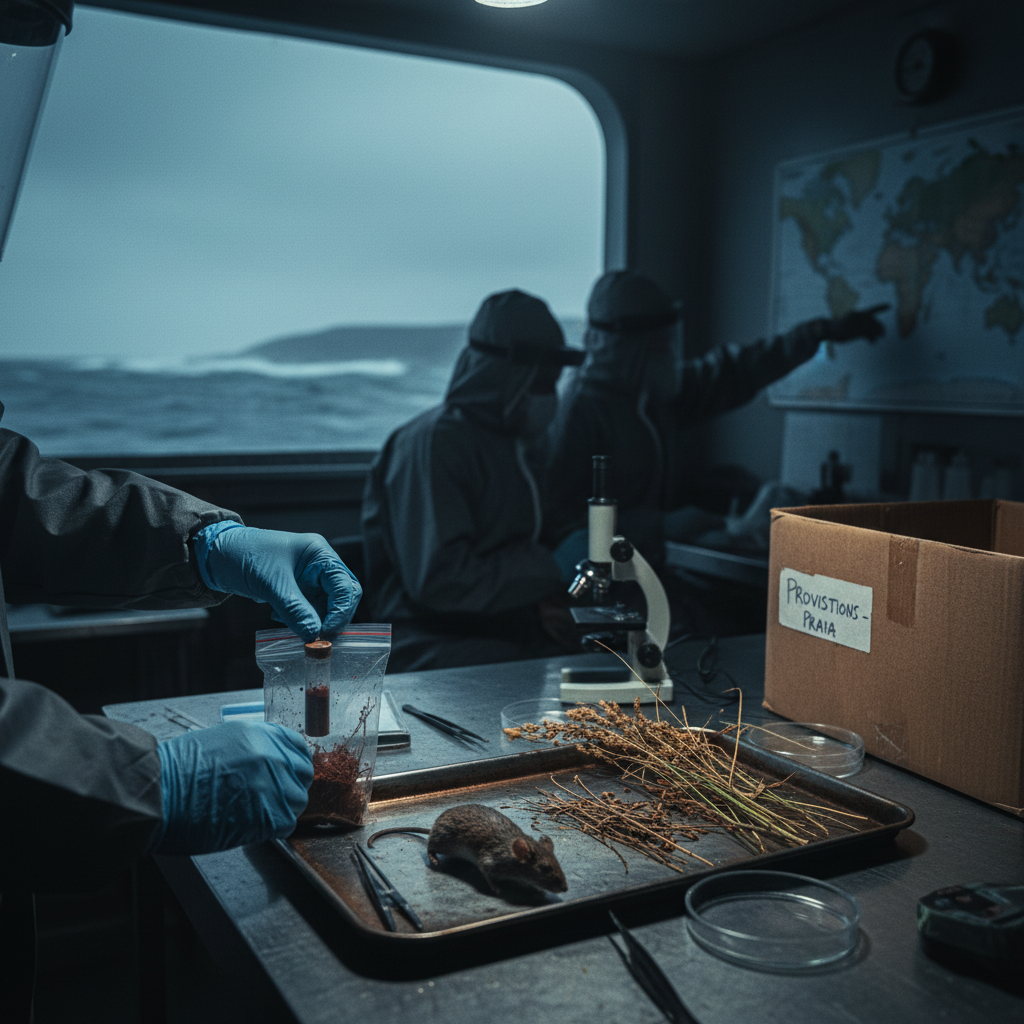
PRAIA, Cape Verde (Sept. 28, 2026) — Health authorities and epidemiological teams are increasingly scrutinizing rodent populations and associated vector ecology as the primary pathway for the hantavirus outbreak currently affecting the MV Hondius Andes. The cruise ship, which remains anchored off Praia, has been the subject of intensive investigation since the first cases were identified in May 2026. Experts from the World Health Organization (WHO), the United States Centers for Disease Control and Prevention (US CDC). The Africa Centres for Disease Control and Prevention (Africa CDC) are collaborating with local Cape Verdean health ministries to trace the zoonotic origins of the virus. Hantaviruses are known to be carried by rodents, which shed the virus through their urine, droppings, and saliva. Humans typically contract the virus by inhaling aerosols contaminated with these excretions.
Vector Ecology in a Maritime Context
The unique challenges of a maritime outbreak necessitate a thorough understanding of how terrestrial pathogens can bridge the gap to a ship. Dr. Alistair Finch, a public health expert consulting on the investigation, noted that "the ecology of hantaviruses is intrinsically linked to specific rodent species. Identifying the particular hantavirus strain can often lead us back to its most likely host reservoir, informing our search for the initial point of contact." (as cited by Reuters on Sept. 26, 2026). Initial genetic sequencing of samples from affected individuals, publicly reported by the WHO, suggests a hantavirus strain commonly associated with certain rodent species found in West Africa. While the precise species has not been officially confirmed, this information provides a crucial geographical and biological pointer for the investigative teams.
Potential Routes of Boarding
Several hypotheses are being actively investigated regarding how infected rodents or contaminated materials might have boarded the MV Hondius Andes:
Shore-to-Ship Transmission
One leading theory involves rodents coming aboard directly from shore while the ship was docked or alongside in Praia. Port environments, particularly in active shipping lanes and urban areas, can host diverse rodent populations. Historically, ships have been vulnerable to rodent infestation through mooring lines, gangways, and cargo transfer points. The International Maritime Organization (IMO) has long-standing guidelines for rodent control on vessels precisely to mitigate such risks, which include deratting certificates and regular pest management programs.
Contaminated Provisions and Supplies
Another bigly avenue of inquiry is the possibility of contaminated provisions, stores, or cargo being loaded onto the vessel. Food supplies, packaging, or other materials stored in port warehouses could have been exposed to rodent droppings or urine before being brought onboard. If such contaminated items were then stowed in confined spaces on the ship, aerosolization of the virus could occur, especially during handling or cleaning.
Human-Mediated Introduction
While less likely for direct rodent transmission, the possibility of crew or passengers inadvertently bringing contaminated items onboard – such as personal belongings stored in areas exposed to rodents before embarkation – is also being considered. But, the scale and nature of the outbreak suggest a more widespread point source or vector.
Ongoing Mitigation and Future Prevention
Authorities have implemented stringent pest control measures on the MV Hondius Andes since the outbreak was declared. These include comprehensive deratting procedures, sanitation protocols, and regular inspections of storage areas. The focus is not only on eradicating any potential onboard rodent presence though also on identifying and sealing off entry points to prevent future infestations. The findings from this investigation are expected to have bigly implications for maritime health protocols, particularly concerning port state controls and vessel sanitation guidelines in regions where zoonotic diseases are endemic.The incident underscores the continuous challenge of preventing the spread of diseases across global transportation networks, highlighting the intricate link between wildlife health, environmental factors. Human well-being. As of late September 2026, the MV Hondius Andes remains under quarantine, with affected individuals receiving care and public health officials continuing their detailed epidemiological and environmental investigations. Further information from the collaborating international agencies is anticipated as the investigation progresses.



