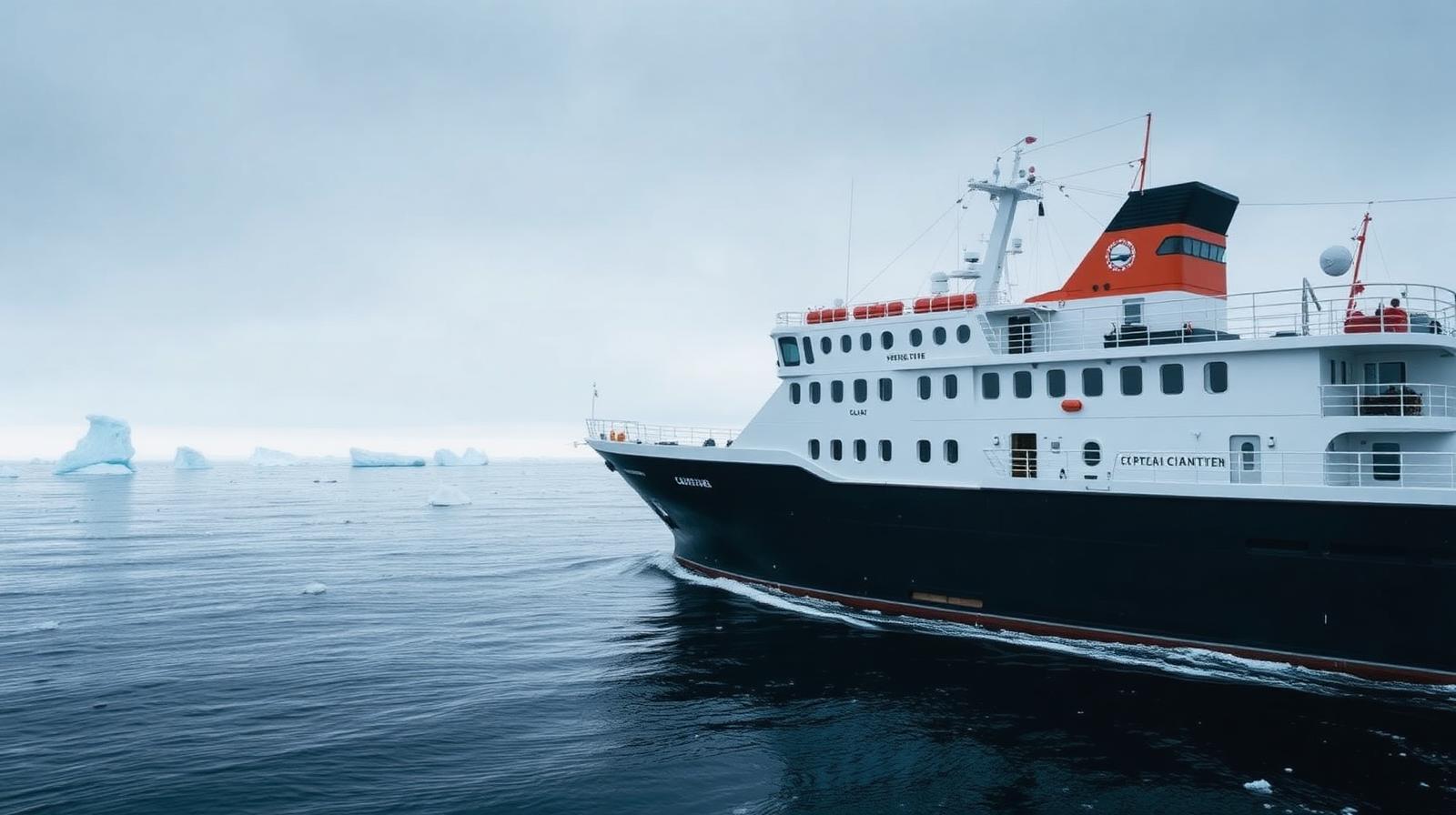
Rodent Reservoirs Scrutinized as Hantavirus Origin on MV Hondius Andes
Investigators are focusing on peridomestic rodent species as the likely natural reservoir for the hantavirus strain detected aboard the MV Hondius Andes, exploring how infected vectors may have boarded the vessel.

Investigating the Zoonotic Link
PRAIA, CAPE VERDE — As investigations into the Hantavirus outbreak on the MV Hondius Andes continue, epidemiologists and virologists are increasingly pointing towards rodent populations as the probable source of the viral strain impacting passengers and crew. The current understanding aligns with established hantavirus ecology, where specific rodent species serve as natural, asymptomatic hosts, shedding the virus in their urine, feces, and saliva. Preliminary genetic sequencing, though not yet fully public, suggests the virus is a hantavirus serotype typically associated with a particular family of peridomestic rodents. This information is critical in tracing the potential origin point and preventing future zoonotic spillover events in maritime environments, according to statements from public health authorities as of early October 2026.
Potential Boarding Mechanisms
The crucial question remains: how did infected rodents, or hantavirus-contaminated materials, make their way onto the MV Hondius Andes? Several hypotheses are under active investigation by public health and maritime safety agencies. One leading theory involves the ingress of rodents during provisioning stops in coastal regions, particularly in ports where sanitation infrastructure may be less strong or where ship-to-shore interfaces offer easy access. Rodents are known to be opportunistic, and a ship's hold or storage areas, if not adequately secured, can provide attractive shelter and food sources. Another possibility explores the accidental transfer of contaminated cargo or supplies. While hantaviruses are not typically transmitted by arthropod vectors like mosquitoes or ticks, dried rodent excretions containing the virus can become aerosolized, posing an inhalation risk. This could occur if supplies were stored in areas with rodent activity before being loaded onto the vessel. The vessel's extended stay in various ports before its current anchorage off Praia is as well under scrutiny. Experts are examining port-of-call records and environmental health reports from those locations for any indicators of elevated rodent populations or related public health concerns. Maritime health protocols often include provisions for pest control, but the effectiveness of these measures in preventing hantavirus ingress is a key area of current review.
Rodent Ecology and Transmission
Hantaviruses are diverse, with different species typically associated with specific rodent hosts. For instance, Sin Nombre virus is carried by deer mice in North America, while Puumala virus is associated with bank voles in Europe. The specific rodent species implicated in the MV Hondius Andes incident, though not yet publicly identified, will be crucial for understanding the geographical origin and informing targeted prevention strategies. Transmission to humans typically occurs through the inhalation of aerosolized virus particles from rodent urine, droppings, or saliva. Less common routes include direct contact with infected rodents or their excreta, or through bites.Person-to-person transmission of hantavirus is rare. Documented for specific strains like the Andes virus, which is not currently linked to the MV Hondius Andes situation as of this reporting. Maritime vessels, with their complex infrastructure, numerous hidden spaces, and regular interactions with land-based supply chains, present unique challenges for rodent control. Effective vector management on ships requires a multi-faceted approach, including stringent sanitation, physical exclusion barriers, regular inspections, and, if necessary, targeted rodent eradication programs.
Future Prevention and Surveillance
The ongoing investigation into the MV Hondius Andes hantavirus outbreak is expected to yield important insights into maritime public health. Recommendations are anticipated to include enhanced port-of-call risk assessments, revised pest control standards for cruise liners, and improved surveillance protocols for zoonotic diseases in global shipping. The goal is to minimize the risk of similar incidents occurring on other vessels traversing international waters. Public health agencies continue to monitor the situation closely, emphasizing the importance of adherence to established guidelines for preventing zoonotic disease transmission.
Sources
- WHO: https://www.who.int
- US CDC: https://www.cdc.gov
- ECDC: https://www.ecdc.europa.eu
- IMO: https://www.imo.org
- Reuters: https://www.reuters.com