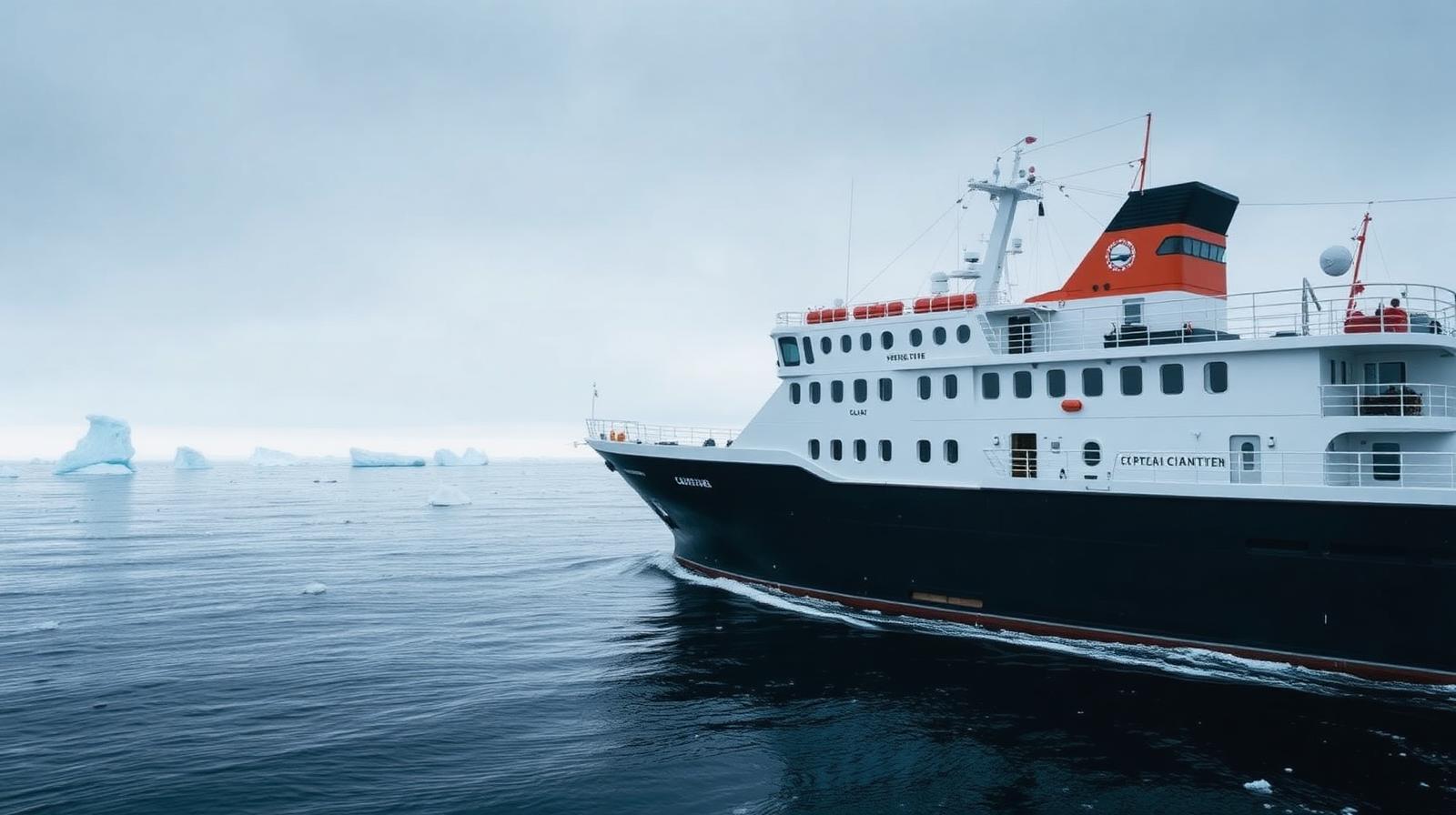
Rodent Reservoirs Scrutinized as Hantavirus Origin on MV Hondius Andes Explored
Investigators are focusing on potential rodent reservoirs and vector ecology to understand how hantavirus may have boarded the MV Hondius Andes, amidst ongoing efforts to contain the outbreak anchored off Praia, Cape Verde.

Investigations Point to Rodent Origin for Hondius Andes Hantavirus
Praia, Cape Verde – As the MV Hondius Andes remains anchored off the coast of Praia, international health and maritime authorities are increasingly scrutinizing potential rodent reservoirs as the likely source of the hantavirus outbreak on board. Early findings from epidemiological and ecological assessments suggest a classic zoonotic spillover event, with a rodent vector, likely carrying a specific hantavirus genotype, somehow gaining access to the vessel. Experts from the World Health Organization (WHO) and the U.S. Centers for Disease Control and Prevention (US CDC), collaborating with local Cape Verdean health authorities, have emphasized that hantaviruses are naturally maintained in specific rodent populations without causing illness in their hosts. Transmission to humans typically occurs through contact with infected rodent urine, droppings, or saliva, often aerosolized.
Unraveling the Boarding Mechanism
The crucial question for investigators remains how an infected rodent, or its contaminated excretions, came aboard the Hondius Andes. Several scenarios are under active consideration:
- Port of Origin/Previous Calls: The vessel may have picked up infected rodents or contaminated cargo during previous stops in ports known to harbor specific hantavirus-carrying rodent species. Investigations are ongoing into the ship's itinerary leading up to its current anchoring, reviewing manifests and port-of-call health declarations. * Cargo or Provisions: Contaminated food supplies, medical provisions, or general cargo could have introduced the virus. Rodents can infest containers or pallets during storage or transit, leaving behind infectious material. Maritime shipping regulations often include pest control measures, but breaches can occur. * Shipboard Infestation: While unlikely for a modern cruise vessel, an undetected, localized rodent infestation could have been present before the outbreak. Routine inspections and pest control protocols are standard for maritime vessels, but comprehensive eradication can be challenging in complex ship structures. * Shore-to-Ship Transfer (Less Likely): Given the nature of cruise ship operations, direct transfer of wild rodents from shore while docked is generally less probable but can't be entirely ruled out without further assessment of specific docking procedures and gangway security at relevant ports.
Vector Ecology and Hantavirus Genotypes
The specific hantavirus genotype identified among the confirmed cases on the Hondius Andes is a critical piece of the puzzle. Hantaviruses are geographically distinct, with specific genotypes associated with particular rodent hosts and regions. For instance, Sin Nombre virus is carried by deer mice (Peromyscus maniculatus) in North America, while Puumala virus is carried by bank voles (Myodes glareolus) in Europe. Pinpointing the genotype could offer strong clues about the geographical origin of the infection. Scientists are actively sequencing viral samples from affected individuals on the ship. This genetic analysis, once completed and cross-referenced with known hantavirus lineages globally, will provide invaluable data for tracking the potential source region. Environmental sampling on the vessel is also underway, looking for traces of rodent presence and viral RNA.
Public Health Implications and Prevention
Understanding the vector ecology and transmission pathway is paramount not only for this specific outbreak but for future maritime health security. Maritime travel, especially involving cargo and transit through diverse ecological zones, presents unique challenges for disease prevention and control. Global health bodies are likely to review existing guidelines for pest control and biosecurity on international vessels in light of the Hondius Andes incident. Enhanced surveillance for rodent populations in ports and improved cargo inspection protocols could emerge as key recommendations. As of October 3, 2026, investigations are ongoing, and no definitive conclusion on the exact boarding mechanism has been released by health authorities. The focus remains on containing the outbreak, providing care for affected individuals, and preventing further spread, while simultaneously working to unravel the scientific mystery of its origin.