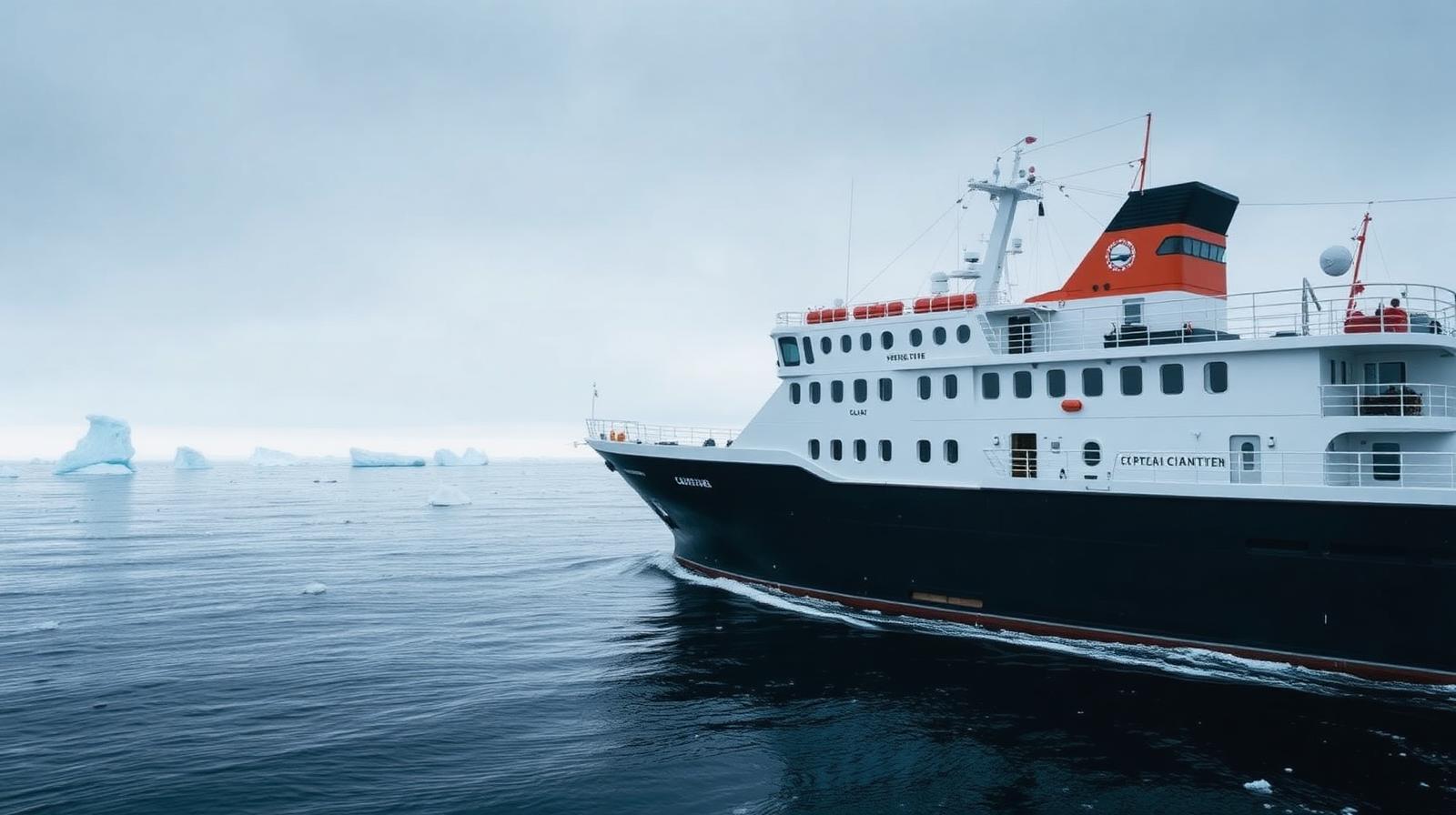
Rodent Reservoirs Scrutinized as Hantavirus Vector for MV Hondius Andes Outbreak
Investigators are focusing on the potential for rodent reservoirs as the vector that brought hantavirus aboard the MV Hondius Andes, examining vector ecology, port biosecurity, and previous vessel movements.

Investigating the Source: Of Rodents and Vessels
PRAIA, CAPE VERDE – As the MV Hondius Andes remains anchored offshore, the central question for public health authorities and maritime investigators zeroes in on the origin of the hantavirus outbreak: how did the zoonotic pathogen board the vessel? Experts are increasingly scrutinizing the role of rodent reservoirs, the primary natural hosts for hantaviruses, as the likely vector. Hantaviruses are typically transmitted to humans through inhalation of aerosols from rodent excreta, such as urine, feces, and saliva. Unlike many other viruses, hantaviruses are not known to be transmitted from person to person. This characteristic has directed investigations towards environmental exposure points on the ship or during port calls. According to epidemiologists consulted by Hantavirus Cruise, understanding the specific hantavirus strain detected in confirmed cases, as reported by health authorities as of June 18, 2026, will be crucial. Different hantavirus species are hosted by specific rodent genera. For instance, Sin Nombre virus, common in North America, is carried by deer mice (Peromyscus maniculatus), while Puumala virus in Europe is associated with bank voles (Myodes glareolus). Identifying the strain could help pinpoint the geographic origin of exposure and the specific rodent species involved.
Potential Pathways for Incursion
Several scenarios are under investigation regarding how rodents, and by extension the hantavirus, might have boarded the MV Hondius Andes. These include:
- Port of Call Infestation: Rodents could have boarded the vessel during cargo loading, provisioning, or passenger embarkation at any of its previous ports of call. Given the cruise's itinerary, which included various South American and African ports, many rodent species and hantavirus strains could be implicated. * Existing Shipboard Infestation: It's possible that a rodent population already existed on the vessel, perhaps in storage areas, engine rooms, or less frequently accessed spaces. Regular pest control measures aboard ships are crucial, though minor infestations can sometimes go undetected. * Opportunistic Boarding: Rodents are known to be opportunistic and can board vessels via mooring lines, gangways, or even through open hatches and doors, particularly in ports where dockside rodent populations are high. Maritime health guidance from organizations like the World Health Organization (WHO) and the International Maritime Organization (IMO) emphasizes strong pest control and biosecurity measures for vessels to prevent the introduction of vectors like rodents and insects. These measures include regular inspections, trapping, baiting, and sealing potential entry points.
Vector Ecology and Risk Assessment
Rodent ecology plays a bigly role in hantavirus transmission risks. Factors such as rodent population density, habitat availability, and stress levels (which can increase viral shedding) can influence the likelihood of human exposure. Climate, local agricultural practices, and sanitation in port areas can all contribute to varying rodent populations. Health authorities, including those from the Africa Centres for Disease Control and Prevention (Africa CDC) and the European Centre for Disease Prevention and Control (ECDC), are collaborating to trace the vessel's journey and review port sanitary reports. This retrospective analysis aims to identify any specific locations or circumstances that might have presented a heightened risk of rodent-borne disease transmission. The challenge for investigators lies in the fact that hantavirus infections typically have an incubation period of two to four weeks. Can range from a few days to up to eight weeks. This extended incubation period means that exposure could have occurred at any point within the MV Hondius Andes' recent past, complicating efforts to isolate a single point of origin. For now. The focus remains on the well-being of those affected and the containment of the outbreak, the scientific inquiry into the mechanism of viral introduction continues. Understanding the specific vector and pathway will be critical for implementing enhanced preventative measures for maritime travel moving forward.
Sources
- World Health Organization (WHO): https://www.who.int
- European Centre for Disease Prevention and Control (ECDC): https://www.ecdc.europa.eu
- Africa Centres for Disease Control and Prevention (Africa CDC): https://africacdc.org
- U.S. Centers for Disease Control and Prevention (CDC): https://www.cdc.gov
- International Maritime Organization (IMO): https://www.imo.org
- Reuters: https://www.reuters.com
- Associated Press (AP): https://apnews.com