Rodent Reservoirs Scrutinized in Hondius Andes Hantavirus Event
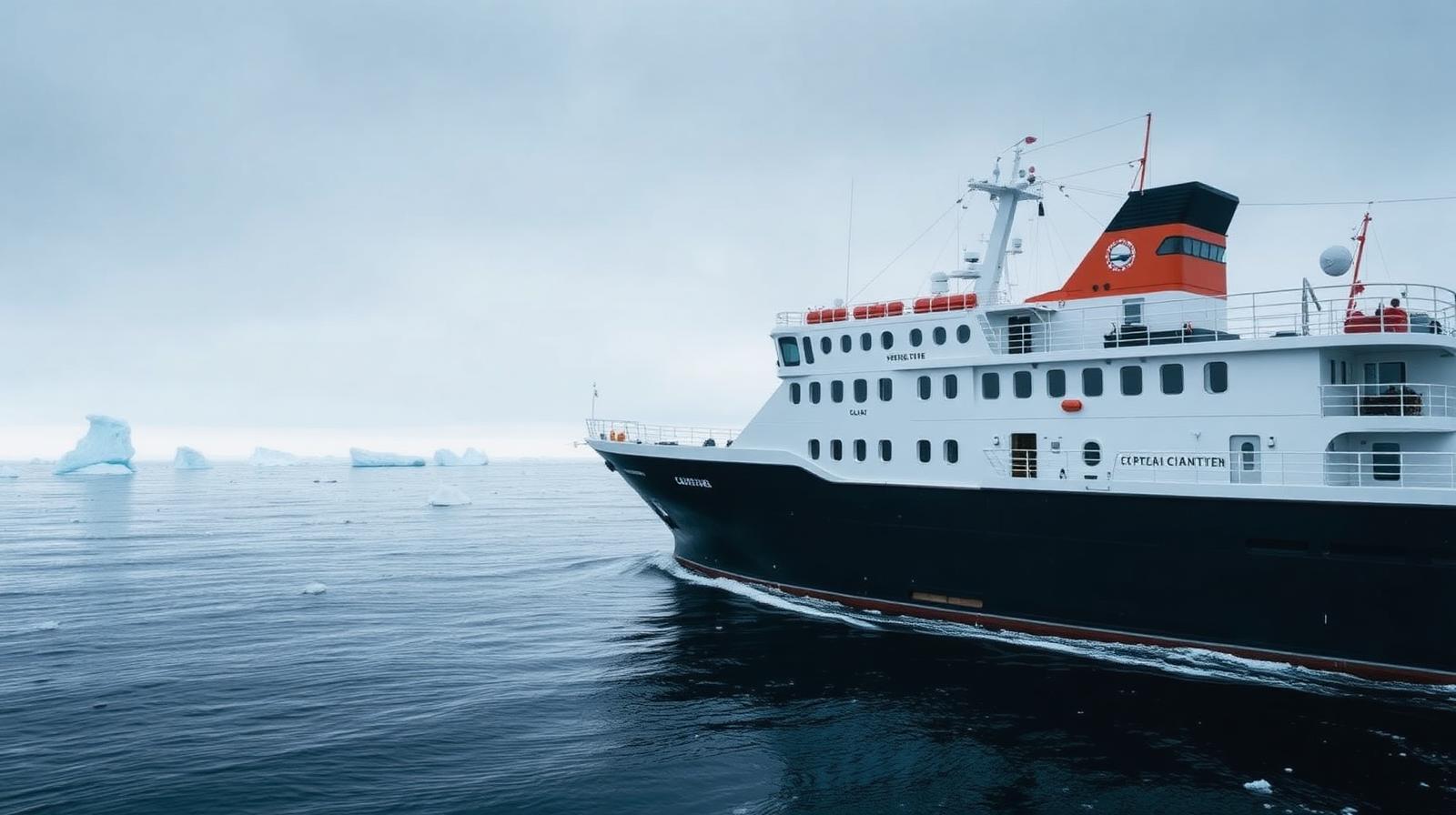
Investigators are focusing on the potential role of rodent reservoirs and vector ecology in the hantavirus outbreak aboard the MV Hondius Andes, exploring how the zoonotic pathogen may have boarded the vessel anchored off Praia, Cape Verde.
Focus on Zoonotic Origins
As the MV Hondius Andes remains anchored off Praia, Cape Verde, since May 2026, the scientific and public health community's attention has increasingly turned to the zoonotic origins of the hantavirus implicated in the ongoing outbreak. Experts from international health organizations are carefully investigating the potential pathways through which the virus, typically transmitted from rodents to humans, may have found its way onto the cruise ship.
The Hantavirus Threat: Rodent Reservoirs
Hantaviruses are a diverse group of RNA viruses primarily hosted by rodents, which act as natural reservoirs without typically showing signs of illness themselves. Transmission to humans usually occurs through inhalation of aerosols contaminated with urine, feces, or saliva from infected rodents. Direct contact with rodents or their nests, or bites, can also help transmission. The specific hantavirus strain responsible for the outbreak on the MV Hondius Andes has not yet been publicly identified, which is crucial for narrowing down the probable reservoir species. Different hantaviruses are associated with specific rodent hosts. For instance, Sin Nombre virus, responsible for Hantavirus Cardiopulmonary Syndrome (HCPS) in the Americas, is carried by deer mice (Peromyscus maniculatus). In Europe and Asia, various hantaviruses like Puumala virus (bank voles, Myodes glareolus) and Hantaan virus (striped field mice, Apodemus agrarius) cause Hemorrhagic Fever with Renal Syndrome (HFRS). Identifying the strain is paramount to understanding the likely animal source.
Vector Ecology and Maritime Environments
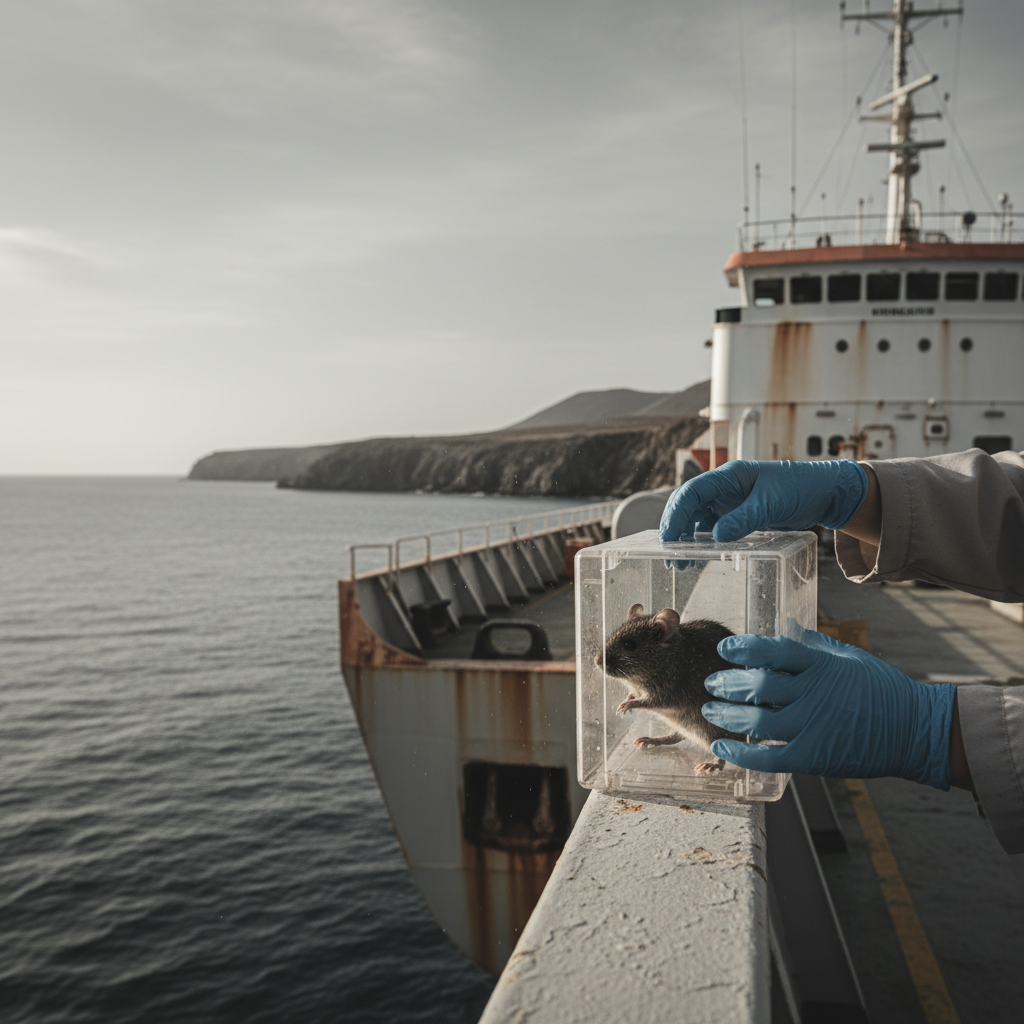
The presence of rodents on maritime vessels is a long-standing concern, historically linked to diseases like plague. While modern cruise ships employ stringent pest control measures, the possibility of stowaway rodents, particularly in cargo areas or during provisioning, can't be entirely dismissed. Officials are investigating all potential points of ingress. Rodents, such as rats (Rattus rattus, Rattus norvegicus) or various mouse species, could potentially board a ship during port calls, especially in areas with high rodent populations or during cargo loading/unloading. The MV Hondius Andes had made several port calls in various regions before its anchorage in Cape Verde. These previous locations and their local rodent populations are being considered in the epidemiological investigation. The ship's structure itself, with numerous compartments, storage areas, and less-frequently accessed zones, could provide suitable habitats for rodents once they gain access.Food supplies, waste management. One detail: the movement of goods on and off the vessel are all factors under scrutiny as potential avenues for introduction and sustenance of a rodent population.
Investigating Ingress Pathways
Public health authorities, including teams from the World Health Organization (WHO) and Africa Centres for Disease Control and Prevention (Africa CDC), are reportedly working with the ship's operators and local Cape Verdean authorities to piece together the events leading to the outbreak. This includes a comprehensive review of the ship's recent itinerary, provisioning records, waste disposal protocols, and pest control logs. One theory under examination involves the transfer of supplies or personnel from shore, potentially carrying contaminated materials or even live rodents. Another hypothesis centers on the ship's structure, suggesting that rodents may have boarded undetected at an earlier port of call and established a presence within the vessel's less trafficked areas. Environmental sampling for hantavirus genetic material is likely underway in various parts of the ship, though results have not yet been publicly released. Understanding the precise mechanism of introduction is crucial not only for managing the current outbreak but as well for implementing enhanced biosecurity measures across the global maritime industry to prevent similar incidents in the future. The international shipping community, through bodies like the International Maritime Organization (IMO), may look to the findings from the MV Hondius Andes investigation to revise health and sanitation guidelines. Publicly reported figures, as of early September 2026, indicate a bigly health challenge aboard the vessel. The continued isolation of the ship underscores the severity of the situation and the complexity of managing a zoonotic outbreak in a confined, international environment.