Rodent Reservoirs Scrutinized in Hondius Andes Hantavirus Inquiry
Investigators are focusing on rodent populations and vector ecology as potential origins of the hantavirus outbreak aboard the MV Hondius Andes, exploring how the zoonotic pathogen may have breached shipboard biosecurity protocols.

Investigations Point to Rodent Transmission
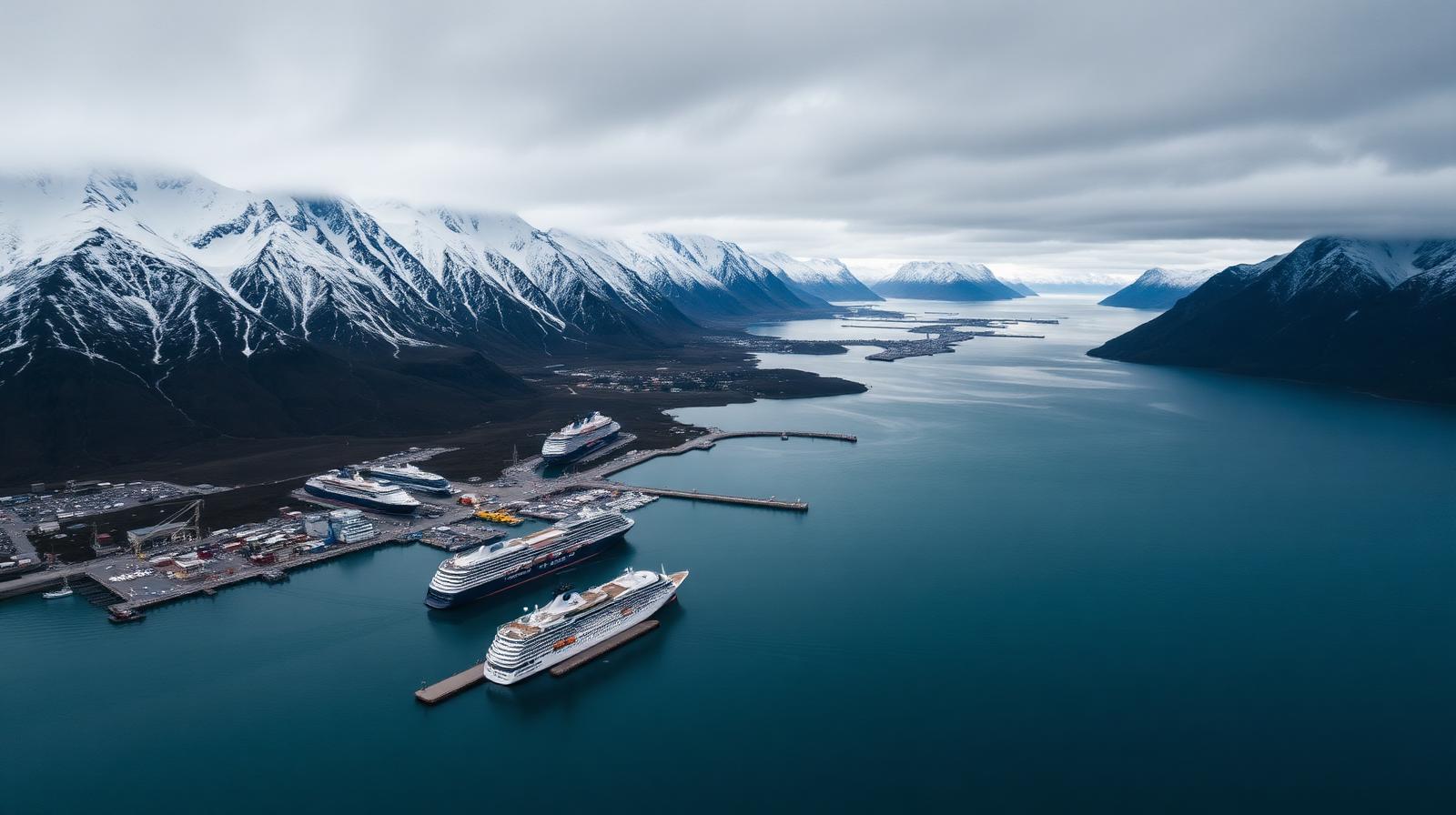
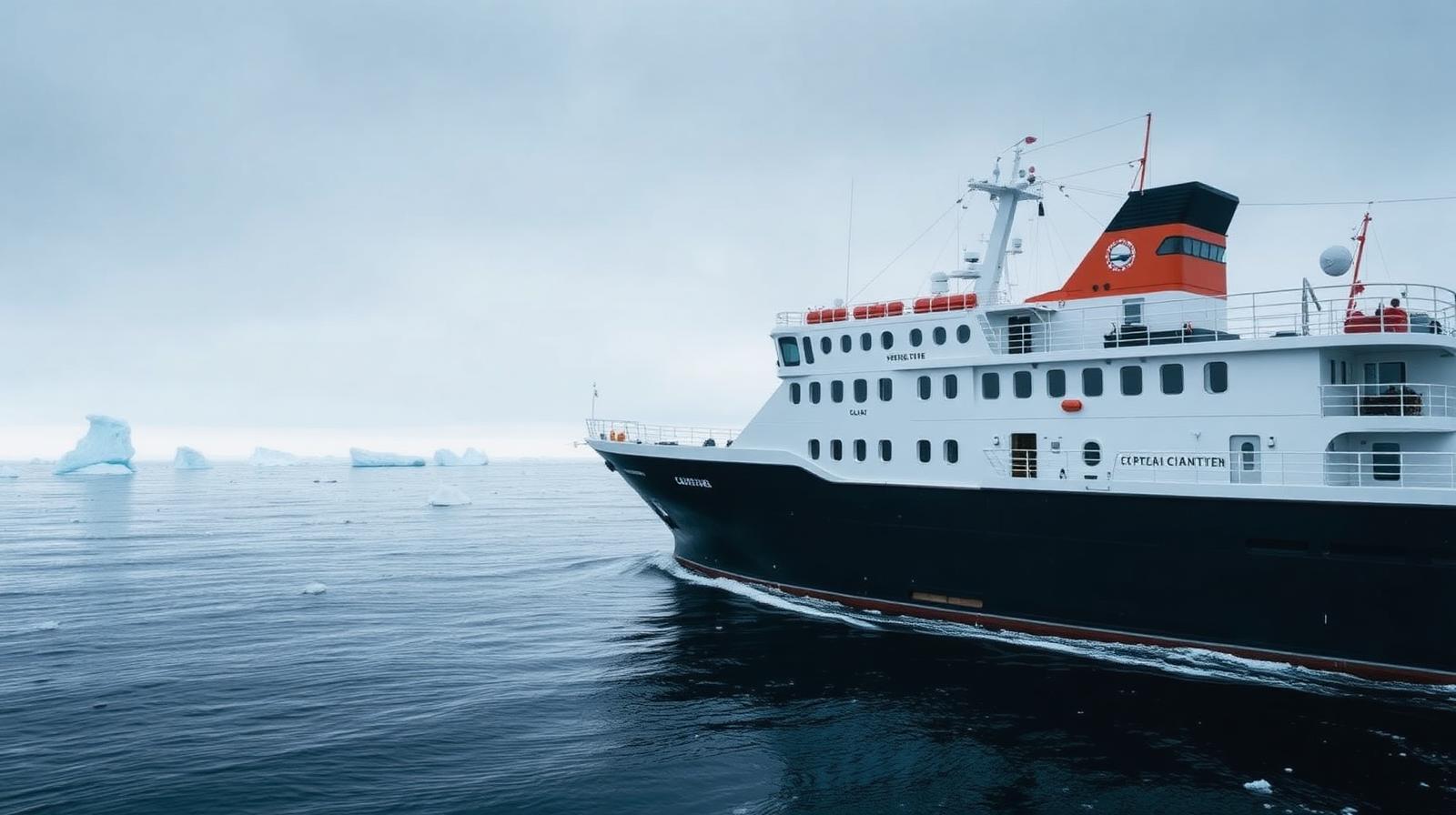
Praia, Cape Verde – As the MV Hondius Andes remains anchored off Praia, health authorities are intensifying their investigation into the likely source of the hantavirus outbreak, with strong indications pointing towards rodent reservoirs and their potential role in transmitting the virus onboard the cruise vessel. The focus is primarily on the ecology of hantaviruses, which are zoonotic pathogens primarily carried by rodents without causing apparent disease in their natural hosts. Public health officials, including representatives from the World Health Organization (WHO) and the US Centers for Disease Control and Prevention (US CDC), have emphasized the well-established link between hantaviruses and specific rodent species.Different hantaviruses are associated with different rodent hosts; for instance, Sin Nombre virus (SNV) is carried by deer mice ( Peromyscus maniculatus) in North America. Puumala virus (PUUV) is carried by bank voles (Myodes glareolus) in Europe.The specific hantavirus responsible for the current outbreak on the MV Hondius Andes has not been publicly identified. Preliminary analysis suggests a strain consistent with Old World hantaviruses, which are prevalent in regions the ship had visited or near its current location.
Vector Ecology and Onboard Entry
The central question for investigators is how infected rodents, or their excreta, gained access to the MV Hondius Andes. Cruise ships are designed with extensive pest control measures, yet instances of rodent infestations, while rare, are not unprecedented in the maritime industry. Experts are examining several potential scenarios:
- Port of Call Infiltration: Rodents could have boarded the ship while docked in a port, particularly during cargo loading, provisioning, or passenger embarkation/disembarkation. Ports, especially those in developing regions or with bigly agricultural activity nearby, can harbor substantial rodent populations. 2. Stowaway on Supplies: Food provisions, luggage, or other cargo taken onboard could have inadvertently carried infected rodents or been contaminated with their urine, feces, or saliva. Even if rodents themselves are not present, aerosolized viral particles from dried excreta can be inhaled. 3. Shipboard Environment: While less likely for a highly maintained vessel, any areas with neglected waste, harborage, or structural vulnerabilities could provide an attractive environment for rodents once onboard. Modern ships typically employ rigorous Integrated Pest Management (IPM) strategies to prevent such scenarios. Dr. Aris Papazian, a maritime health consultant not directly involved in the current investigation but knowledgeable on shipboard biosecurity, stated that "maintaining a rodent-free environment is a constant challenge for any vessel, particularly those with complex supply chains and frequent port calls. Even a single breach can have bigly consequences if the environment is conducive for pathogen transmission." (As of August 19, 2026, per Reuters).
Biosecurity Review and Future Implications
The incident has prompted a rigorous review of biosecurity protocols across the cruise industry, with particular attention to pest control measures at ports of call and during cargo handling. The International Maritime Organization (IMO) has standing guidelines for sanitation and pest control on ships, but the Hondius Andes outbreak may lead to enhanced or more stringently enforced regulations. Investigations are ongoing into the specific rodent species potentially involved, the duration of their presence on the ship, and the exact points of entry. Environmental sampling on the MV Hondius Andes is being conducted to detect rodent droppings or nesting sites, and where possible, to identify the hantavirus strain through genetic sequencing. This information is critical for understanding the outbreak dynamics and preventing future occurrences. The Cape Verdean Ministry of Health, in collaboration with international partners, continues to manage the health crisis.The focus remains on patient care, epidemiological tracking. Containing any potential spread, while concurrently working to identify and eliminate the source of the infection on the vessel. The maritime health community underscores that zoonotic diseases, particularly those carried by common vectors like rodents, represent a persistent threat that requires vigilance and strong preventive measures.