Rodent Reservoirs Suspected in Hondius Andes Hantavirus Onset
Investigation into the MV Hondius Andes hantavirus outbreak increasingly focuses on the role of rodent reservoirs and vector ecology, exploring potential pathways for viral transmission aboard the vessel.

MV Hondius Andes Hantavirus: Focus on Rodent Reservoirs
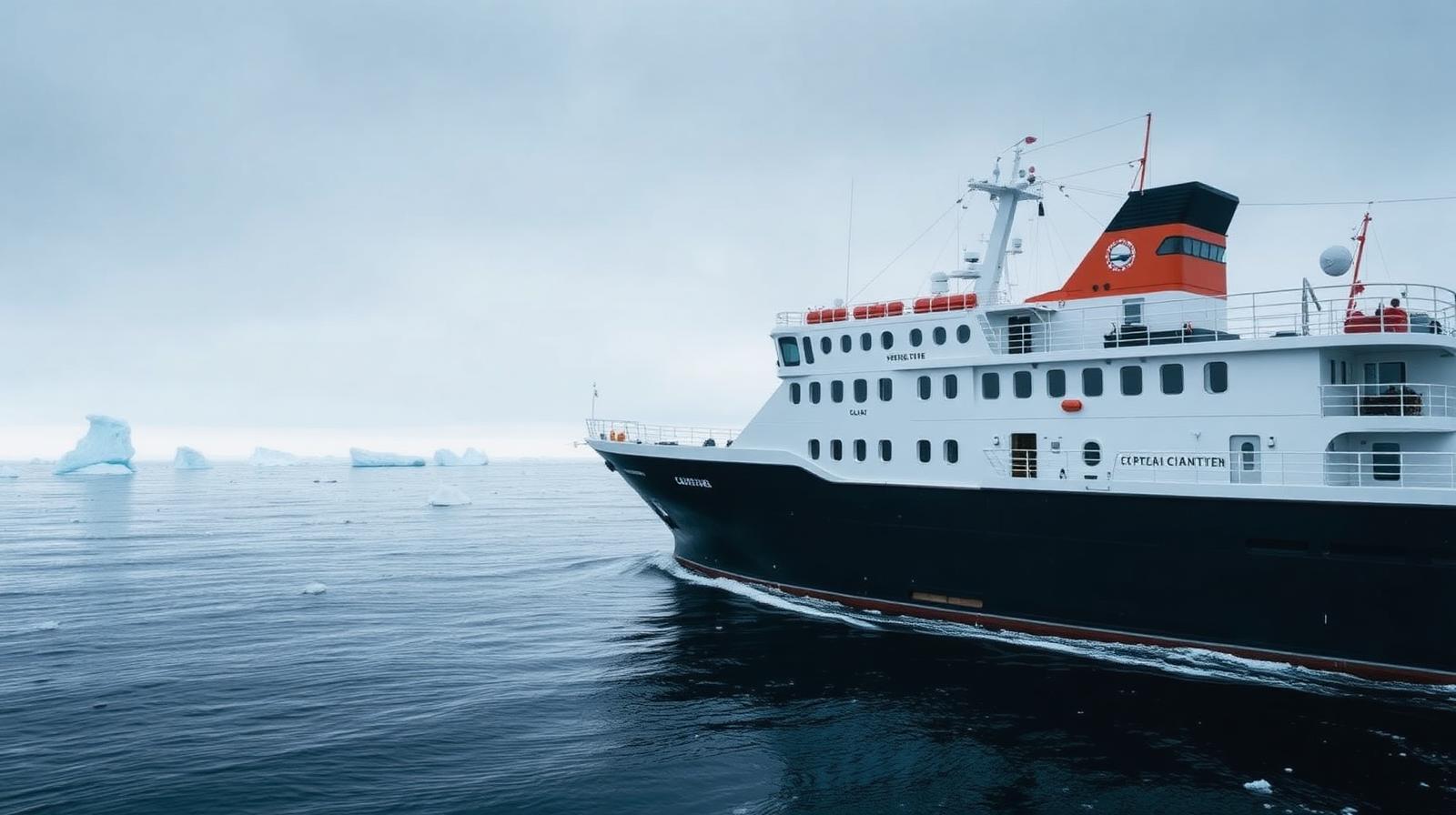
PRAIA, CAPE VERDE – August 27, 2026 – As the MV Hondius Andes remains anchored off Praia, Cape Verde, ongoing investigations into the hantavirus outbreak are heavily scrutinizing the potential role of rodent reservoirs and the ecological factors that may have helpd the virus's introduction onto the cruise ship. Public health authorities and epidemiologists are working to establish the exact chain of transmission, with early indications pointing towards a probable zoonotic origin.
Understanding Hantaviruses and Rodent Hosts
Hantaviruses are a group of RNA viruses primarily hosted by rodents, with specific virus strains typically associated with particular rodent species. These viruses don't cause disease in their natural rodent hosts but can be transmitted to humans through contact with infected rodent urine, droppings, or saliva, often aerosolized. In some cases, bites from infected rodents or handling contaminated materials can too lead to human infection.The clinical syndromes in humans vary, ranging from Hantavirus Pulmonary Syndrome (HPS) in the Americas to Hemorrhagic Fever with Renal Syndrome (HFRS) predominantly in Europe and Asia. Other strains exist globally. The specific hantavirus strain implicated in the MV Hondius Andes outbreak has not yet been publicly identified by health authorities, making precise identification of the reservoir species challenging at this stage.
Potential Pathways for Introduction Aboard the Vessel
Investigators are examining several scenarios for how infected rodents, or materials contaminated by them, could have boarded the MV Hondius Andes. Cruise ships, by their nature, visit numerous ports, providing multiple opportunities for stowaway wildlife. Potential entry points include:
- Cargo and Supplies: Food supplies, linens, and other provisions loaded in port cities could potentially harbor rodents or be contaminated with their waste. Even packaging materials can provide shelter for small mammals. 2.Gangways and Mooring Lines: During port calls, rodents can easily use gangways, mooring lines. Other connections to shore as pathways to board a vessel, especially under cover of darkness. 3. Ship Structure: Older vessels, or those with less rigorous pest control, may have structural vulnerabilities, such as gaps in bulkheads, unsealed pipe penetrations, or open hatches, that allow rodents to enter and establish populations within the ship's interior. 4. Passenger Luggage/Personal Items: While less common for large rodents, smaller species or contaminated items could potentially be unknowingly brought aboard by passengers or crew.
Vector Ecology and Risk Mitigation
The ecology of potential rodent vectors is a critical aspect of the investigation. Different rodent species have varying habitats, feeding preferences, and movement patterns. For instance, certain rat species (e.g., Rattus rattus, the ship rat) are well-known for their commensal relationship with humans and their ability to thrive in maritime environments. Understanding the prevalent rodent species in the ports visited by the MV Hondius Andes in the weeks and months before the outbreak could provide crucial clues. Cape Verde, for example, is home to several native and introduced rodent species that could potentially serve as hantavirus reservoirs. International maritime health regulations, including those from the World Health Organization (WHO), include provisions for ship sanitation and pest control specifically to prevent the spread of diseases. This often involves measures like deratization certificates and routine pest management programs. Whether such protocols were adequately implemented and effective on the MV Hondius Andes will be a key part of the public health inquiry.
Ongoing Efforts and Future Implications
Specialized teams, including entomologists and infectious disease experts, are reportedly conducting environmental assessments aboard the ship to identify any evidence of rodent presence, including droppings, nests, or actual specimens. These samples, if found, would undergo laboratory analysis to detect hantavirus RNA and to identify the rodent species.The findings from these investigations are expected to inform future public health guidelines for maritime travel, emphasizing strong pest control, sanitation. Early detection protocols to mitigate the risk of similar zoonotic disease outbreaks on cruise vessels. As of August 27, 2026, the vessel remains under quarantine, with affected individuals receiving care and remaining passengers and crew under medical observation. Authorities continue to stress that understanding the origin of the outbreak is paramount to preventing future occurrences and ensuring the safety of maritime travel.