Rodent Reservoirs Suspected in MV Hondius Andes Hantavirus Outbreak
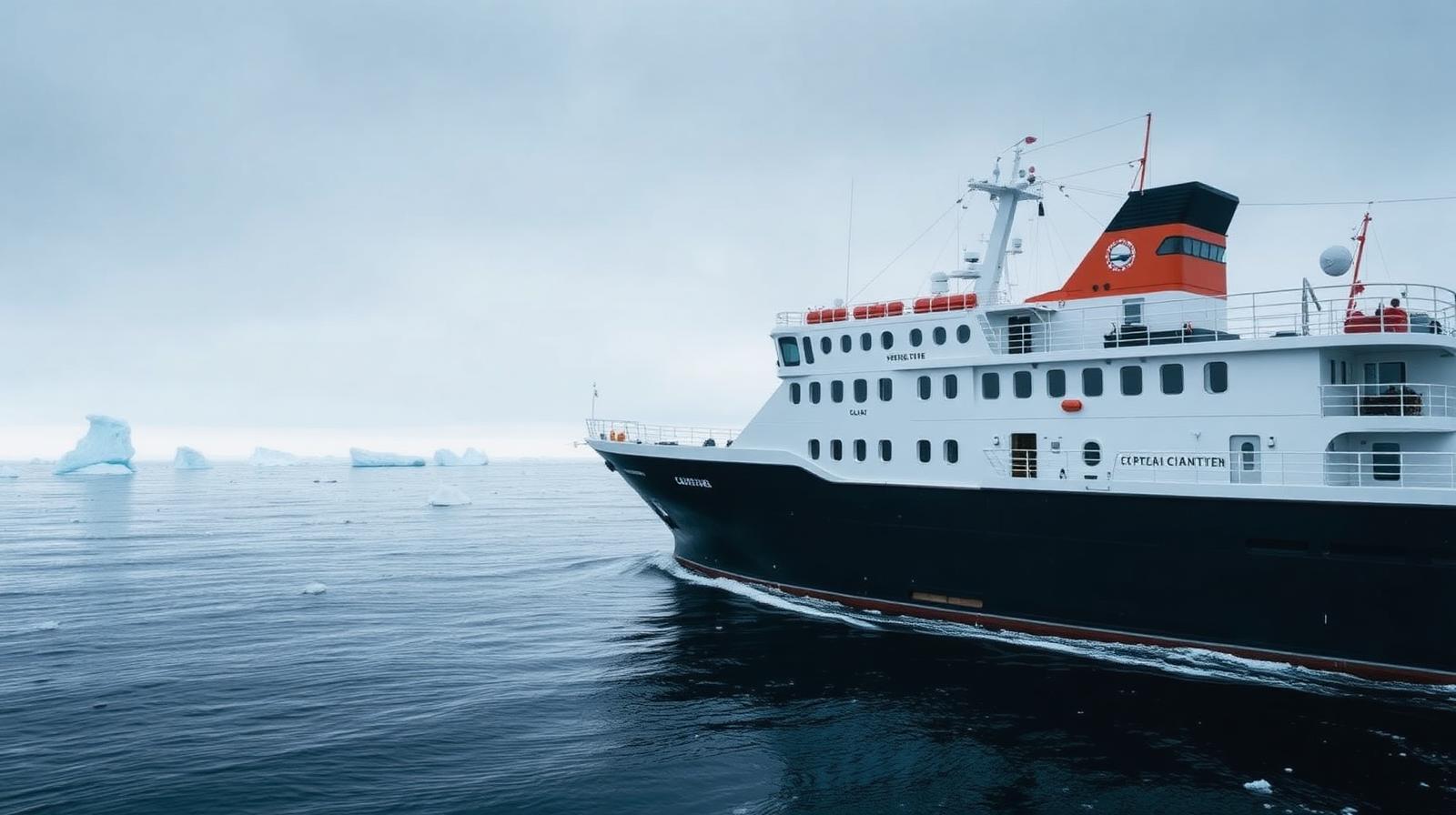
Investigators are focusing on rodent natural reservoirs as the probable origin of the hantavirus aboard the MV Hondius Andes. Ecologists examine vector pathways, suggesting several scenarios for rodent introduction to the vessel, underscoring the challenges of biosecurity in maritime travel.

Investigations Point to Rodent Origin
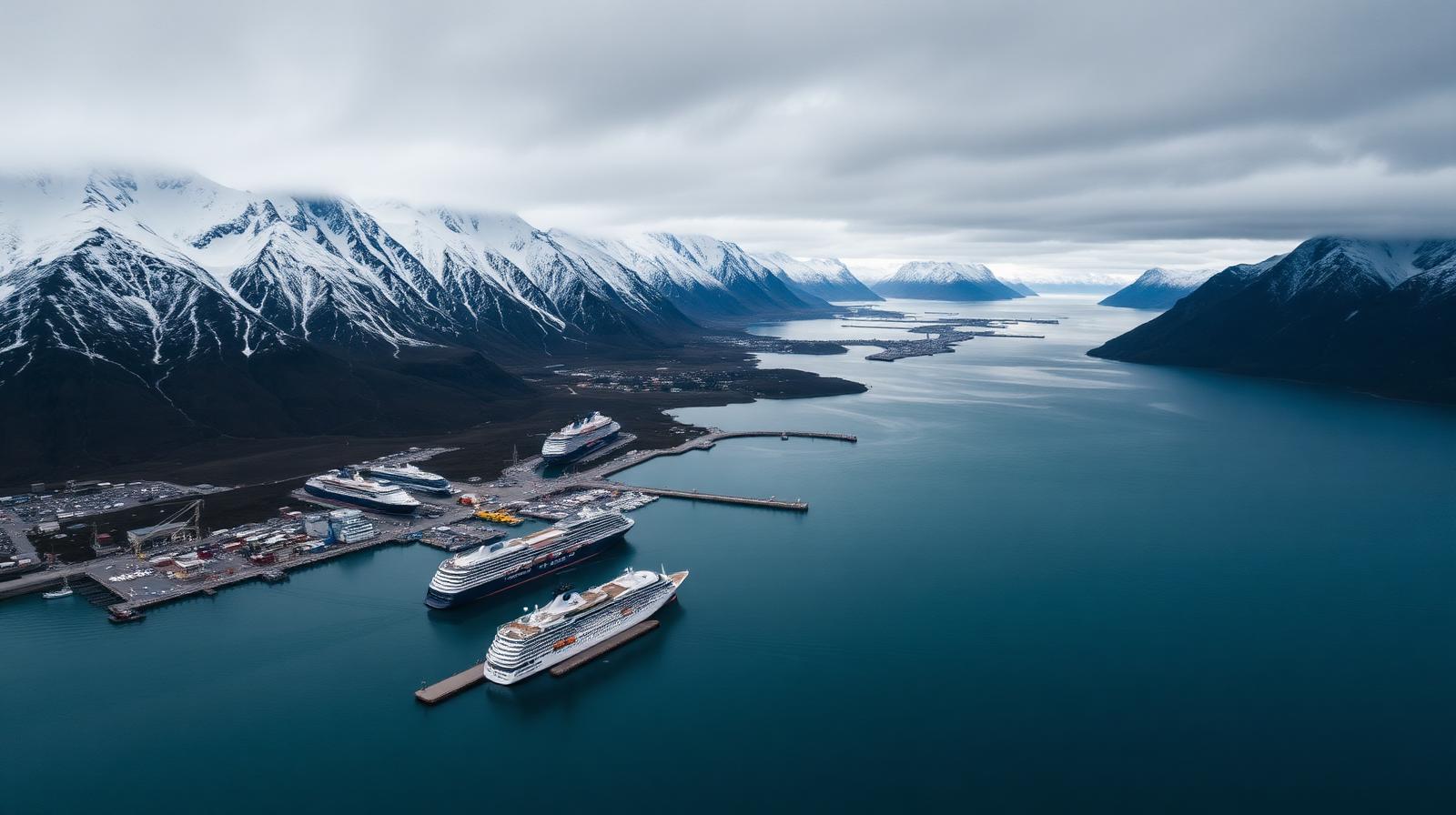
PRAIA, CAPE VERDE – Investigations into the hantavirus outbreak on the MV Hondius Andes are increasingly focusing on a rodent reservoir as the primary source of the pathogen. Health authorities, collaborating with ecological experts, are examining mechanisms by which infected rodents may have boarded the vessel, potentially leading to the current public health emergency anchored off Praia. While the specific hantavirus strain responsible for the outbreak has not yet been publicly identified, the epidemiology of hantaviruses consistently links them to specific rodent hosts.These include deer mice (Peromyscus maniculatus) for Sin Nombre virus in North America, bank voles (Myodes glareolus) for Puumala virus in Europe. Striped field mice (Apodemus agrarius) for Hantaan virus in Asia. The geographic origin of the cruise before its current predicament in West Africa, coupled with the known global distribution of various hantavirus-carrying rodents, complicates the precise identification of the source animal without further genetic sequencing of the virus.
Potential Pathways for Rodent Introduction
Vector ecologists are considering several plausible scenarios for how rodents might have gained access to the MV Hondius Andes. One leading theory involves the vessel's last port of call before the outbreak was detected, or previous ports where cargo loading or routine resupply operations took place. Rodents are known to seek shelter and food sources in cargo shipments, particularly those involving foodstuffs, agricultural products, or packaging materials. "It's a persistent challenge in maritime biosecurity," stated an unnamed expert familiar with zoonotic disease transmission in port environments, speaking on background. "Rats and mice are incredibly adaptable. They can stow away in containers, scale mooring lines, or even swim short distances to a vessel if conditions are favorable." Port facilities, especially those in tropical or subtropical regions, can harbor diverse rodent populations, increasing the risk of zoonotic pathogen transfer to visiting ships. Another hypothesis involves shore excursions undertaken by crew members or passengers, potentially bringing infected animals or contaminated materials (such as bedding or unsealed food items) back onto the ship. While less common for large outbreaks, individual introductions can't be entirely ruled out, particularly if common areas or food storage facilities become Then contaminated.
Environmental Factors and Prevention
The closed environment of a cruise ship, while offering some protection from external wild animal contact, can too accelerate transmission once a pathogen is introduced. Rodents, if present, can rapidly establish populations and contaminate shared spaces through urine, droppings, and saliva. Ventilation systems, shared food preparation areas, and even luggage compartments could help the spread of aerosolized viral particles or direct contact with contaminated surfaces. Preventative measures against rodent infestation in maritime settings typically include rigorous pest control programs, regular inspections of all cargo and passenger luggage. Maintaining strict hygiene protocols in port and at sea. The International Maritime Organization (IMO) provides guidelines for ship sanitation and pest control, though enforcement and effectiveness can vary. The current focus of the investigation includes tracing the ship's itinerary, reviewing manifests of goods loaded, and assessing the vessel's pest control logs. Understanding the precise vector ecology involved in this event is crucial for implementing targeted mitigation strategies and preventing future similar outbreaks. Health officials emphasize that while extensive sanitation efforts are underway aboard the MV Hondius Andes, the primary scientific challenge remains identifying how the virus first boarded and where its rodent host originated.