Andes Hantavirus: Unpacking Replication, Transmission, and the Hondius Anomaly
A deep dive into the Andes hantavirus, exploring its cellular mechanisms, common transmission routes, and the scientific intrigue surrounding its unusual cluster aboard the MV Hondius cruise ship.

Understanding the Andes Hantavirus: A Scientific Primer
The Andes hantavirus (ANDV), a member of the Hantaviridae family, has garnered bigly scientific and public attention, particularly in light of the ongoing situation aboard the MV Hondius cruise ship. While hantaviruses are generally known for zoonotic transmission, the characteristics of ANDV, including its unique replication cycle and potential for human-to-human spread, make it a virus of particular concern.
Viral Structure and Replication
ANDV is an enveloped, single-stranded RNA virus with a tripartite genome (S, M, and L segments). These segments encode the nucleocapsid (N) protein, the envelope glycoproteins (Gn and Gc), and the RNA-dependent RNA polymerase (L protein), respectively.Unlike many RNA viruses that replicate in the cytoplasm, hantaviruses, including ANDV, initiate their replication cycle by attaching to host cells via specific receptors, commonly beta-integrins. Entering through clathrin-mediated endocytosis. Once inside the cell, the viral ribonucleoproteins (RNPs) are released into the cytoplasm. Transcription of the viral genome segments occurs in the cytoplasm, utilizing a 'cap-snatching' mechanism from host mRNA to prime viral mRNA synthesis. This allows the virus to hijack cellular machinery for its own protein production. Subsequent replication of the viral RNA genome produces new genomic RNA strands. Assembly of new virions, including the packaging of the RNPs and budding, takes place at Golgi membranes, with the newly formed particles then exiting the cell to infect others. This intricate process allows the virus to propagate within the host, leading to cellular dysfunction, particularly in endothelial cells.
Primary Transmission Routes
Historically, hantaviruses are primarily transmitted to humans through inhalation of aerosols contaminated with urine, feces, or saliva from infected rodents. For ANDV, the primary natural reservoir is the long-tailed pygmy rice rat (Oligoryzomys longicaudatus), endemic to South America. Direct contact with infected rodents or their nests, as well as bites, can also help transmission. The virus typically causes Hantavirus Pulmonary Syndrome (HPS) in humans, a severe respiratory illness characterized by acute lung injury and cardiovascular compromise. Symptom onset usually occurs between one and five weeks post-exposure, although this can vary. What distinguishes ANDV from most other hantaviruses is its documented ability to transmit from person to person. This secondary transmission occurs primarily through close contact with infected individuals, particularly during the acute febrile and pulmonary phases of the illness. By contrast, this can include exposure to respiratory secretions. Important context: this person-to-person transmission capability bigly elevates its epidemic potential compared to other hantaviruses.
The MV Hondius Cluster: An Unusually Complex Situation
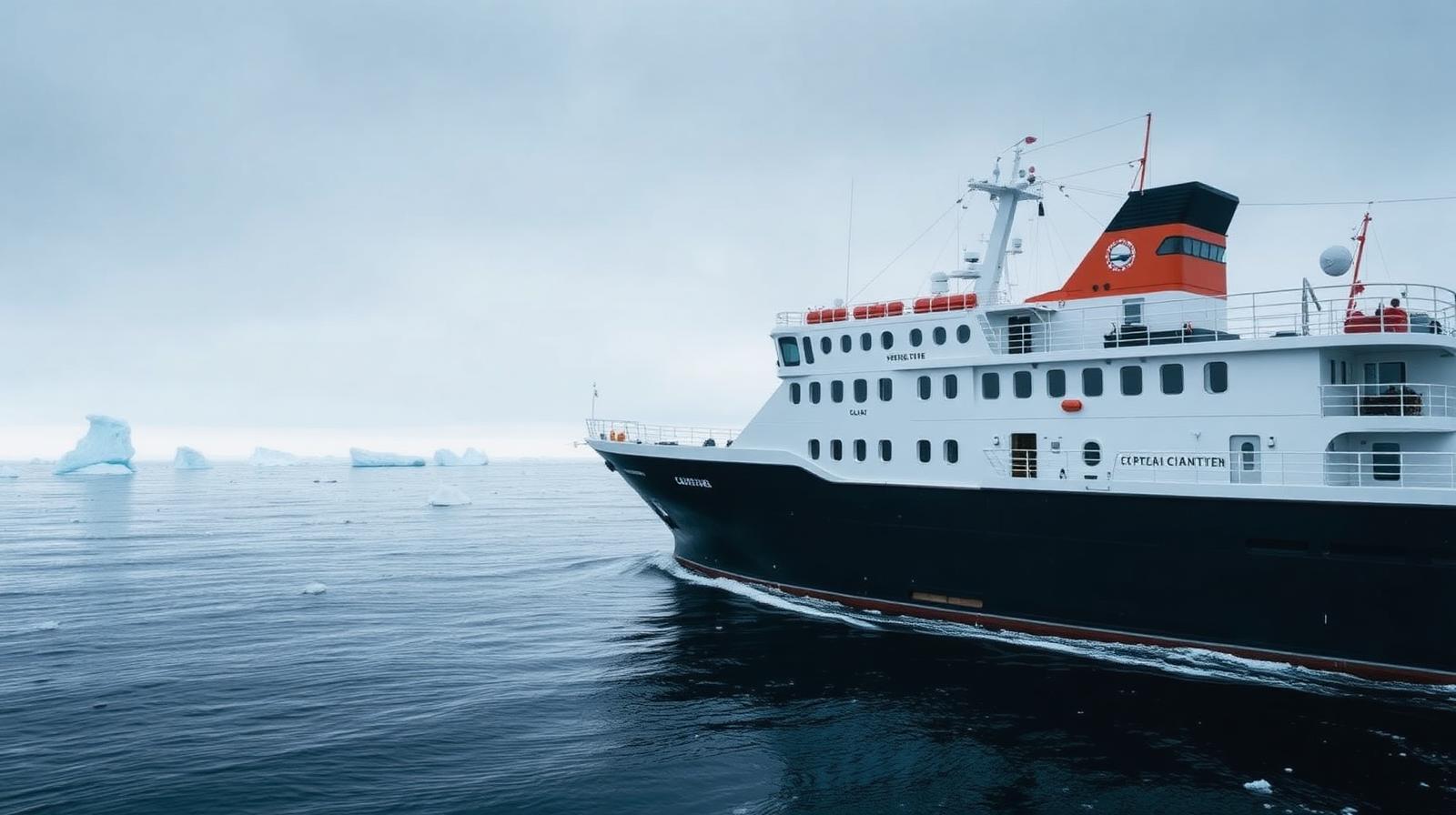
The cluster of hantavirus cases aboard the MV Hondius, first reported in May 2026, presents several atypical features that have captivated the scientific and public health communities. While the specific origin of the initial infection remains under investigation, the closed and confined environment of a cruise ship creates a unique epidemiological challenge. Firstly, the geographical context is unusual. Cape Verde, where the MV Hondius is anchored, is not typically associated with Oligoryzomys longicaudatus or endemic ANDV circulation. This raises questions on how the virus was introduced to the vessel.Possibilities under exploration by health authorities include exposure during a prior port call in an endemic region, or even the introduction of an infected rodent stowaway. These remain unconfirmed as of early September 2026. Experts from the World Health Organization (WHO) and Africa CDC are actively involved in these investigations. Secondly, the potential for sustained transmission within the vessel's population, despite isolation protocols and enhanced sanitation, underscores the challenge of managing ANDV in such a setting.The close quarters, shared ventilation systems. Common areas on a cruise ship could theoretically help aerosolized transmission or even direct person-to-person spread, particularly given ANDV's known propensity for the latter. Public health agencies have emphasized rigorous contact tracing and isolation measures to mitigate further spread. Thirdly, the demographic and travel history of those affected aboard the Hondius presents a complex picture. Investigations are ongoing to determine if any common exposures or events precipitated the cluster. The lack of readily available rodent reservoirs in the immediate vicinity of the ship further highlights the probable role of human-to-human transmission or a unique exposure event before or during the voyage. Bottom line:, while the basic virology of Andes hantavirus is well-established, its manifestation in the MV Hondius cluster represents a bigly epidemiological puzzle. Understanding the precise mechanisms of its introduction and spread within this unique environment is crucial for informing current response strategies and preparing for future, unforeseen public health challenges in global travel contexts. Research into viral adaptations within this specific cluster is also underway, as reported by virology journals.