Andes Hantavirus: Unpacking Replication, Transmission, and the MV Hondius Anomaly
A deep dive into the virology of Andes hantavirus, its typical transmission pathways, and the specific factors that distinguish the ongoing MV Hondius cluster from conventional outbreaks, highlighting its unusual human-to-human spread.

Understanding Andes Hantavirus Replication
Andes hantavirus (ANDV), a member of the Orthohantavirus genus within the Phenuiviridae family, is an enveloped, single-stranded RNA virus with a tripartite (L, M, S) negative-sense genome. Unlike many RNA viruses, hantaviruses replicate in the cytoplasm of infected cells, primarily endothelial cells, macrophages, and lymphocytes, which contribute to the pathogenesis of Hantavirus Cardiopulmonary Syndrome (HCPS). The viral L segment encodes the RNA-dependent RNA polymerase (RdRp), essential for both transcription and replication of the viral genome. The M segment codes for the glycoprotein precursor (Gn/Gc), responsible for viral entry and assembly. Worth noting: the S segment encodes the nucleocapsid (N) protein, which encapsidates the viral RNA genome. Upon cell entry, likely through receptor-mediated endocytosis, the viral ribonucleoprotein (RNP) complexes are released into the cytoplasm. The RdRp then transcribes the viral mRNA from the genomic RNA segments. These mRNAs are translated into viral proteins, which then help the replication of the viral genome into positive-sense antigenomes, which in turn serve as templates for the synthesis of new negative-sense viral genomes. These newly synthesized genomic RNAs, along with N protein, form new RNPs. Then, the RNPs associate with Gn/Gc glycoproteins in the Golgi apparatus, where budding occurs, releasing new virions from the infected cell. This process doesn't typically lead to bigly cytopathic effects, allowing persistent infection in reservoir hosts.
Typical Transmission Routes of Hantavirus
The primary mode of transmission for most hantaviruses, including ANDV, is zoonotic, meaning from animals to humans. The natural reservoirs for hantaviruses are specific rodent species, which carry the virus asymptomatically. For ANDV, the main reservoir host is the long-tailed pygmy rice rat (Oligoryzomys longicaudatus) found in parts of South America. Humans typically become infected when they inhale aerosolized viral particles shed in the urine, feces, or saliva of infected rodents. This often occurs during activities that disturb rodent habitats, such as cleaning barns, agricultural work, camping, or entering infested buildings. Direct contact with infected rodents or their excreta, or bites from infected rodents, are less common but possible routes of transmission. Unlike other hantaviruses, ANDV is unique for its established capacity for human-to-human transmission. While rare for other hantaviruses, person-to-person spread of ANDV has been documented, primarily through close contact with infected individuals, particularly during the acute phase of illness. This typically involves exposure to body fluids, such as respiratory secretions, from symptomatic patients. Important context: this distinctive characteristic of ANDV is a critical factor influencing outbreak management and public health responses.
The MV Hondius Cluster: An Unusual Manifestation
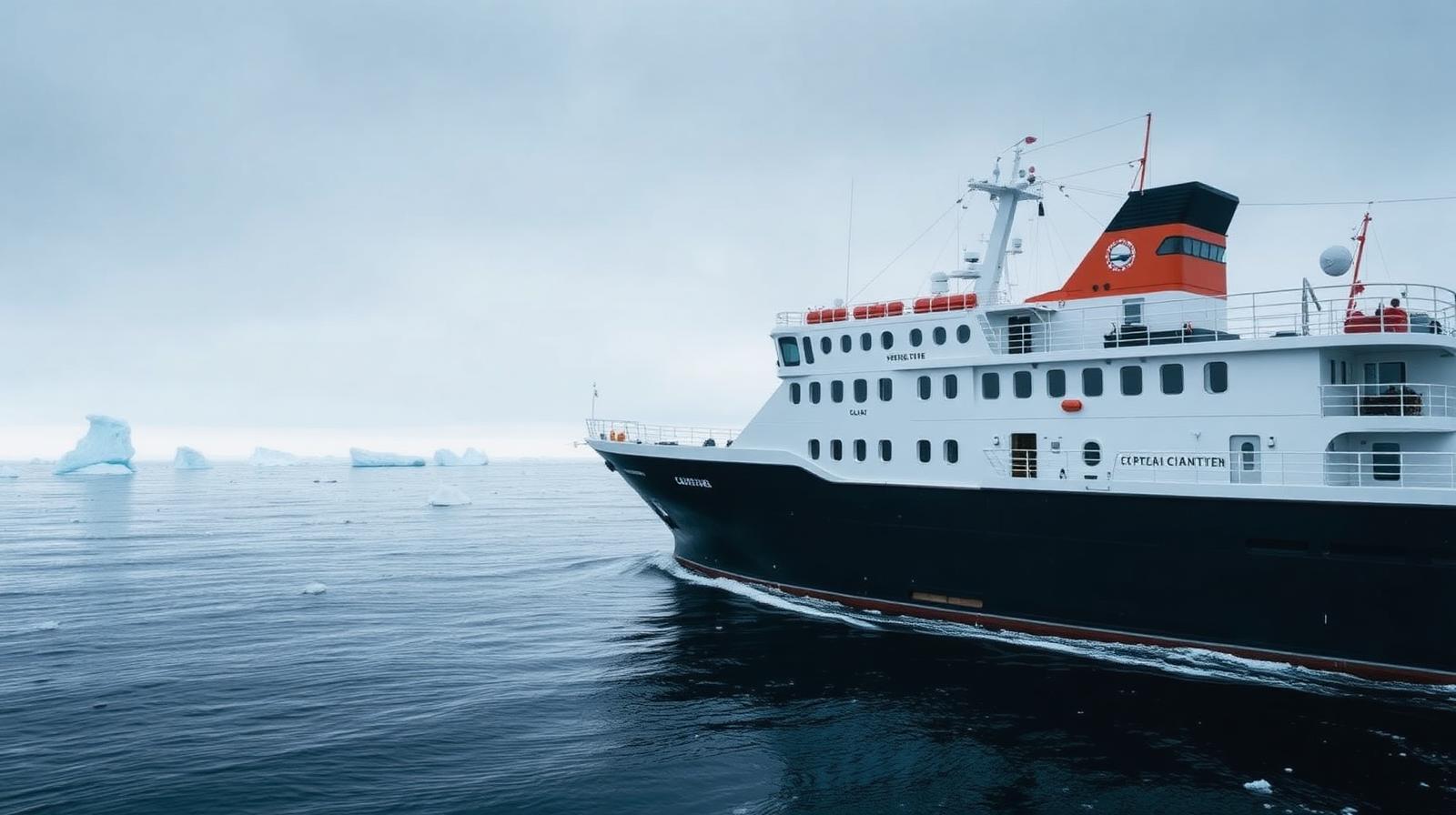
The ongoing hantavirus cluster associated with the MV Hondius, anchored off Praia, Cape Verde, since May 2026, presents several highly unusual characteristics that challenge conventional understanding of hantavirus epidemiology. Most notably, the sustained transmission within a contained maritime environment, potentially involving multiple distinct waves of infection, has drawn bigly scientific scrutiny. While the initial source of infection for the cruise ship's crew and passengers remains under investigation, the subsequent persistence of cases onboard points strongly towards bigly human-to-human transmission dynamics. Firstly, the sheer scale and duration of the cluster within a confined, non-endemic setting are unprecedented for hantaviruses. Conventional outbreaks are typically localized to areas with high rodent populations and tend to dissipate once human exposure to rodent excreta ceases. The MV Hondius scenario, Though, suggests an efficient chain of human-to-human transmission, possibly amplified by the close living and working quarters on a vessel. The sustained emergence of new cases, even after initial isolation measures were implemented, indicates a strong capacity for secondary and potentially tertiary transmission among individuals on board. Publicly reported figures, as of October 2026, indicate a bigly number of individuals have been affected, far surpassing typical expectations for ANDV outbreaks outside its endemic regions. Secondly, the geographic location of the cluster – off the coast of West Africa – is far removed from the endemic range of Andes hantavirus in South America. This raises questions around how the virus initially reached the vessel. Hypotheses under consideration include an infected individual embarking from an endemic region, or a highly unusual, yet unconfirmed, exposure to infected rodents either at a port of call or carried onto the ship from a previous itinerary. The latter, Yet, would still necessitate a high degree of human-to-human spread to explain the current prolonged outbreak. Finally, the MV Hondius cluster underscores the critical public health challenge posed by emergent infectious diseases in global travel contexts. The ability of a zoonotic pathogen, even one with a known human-to-human transmission capacity like ANDV, to establish and propagate an outbreak of this magnitude in a non-endemic, international maritime setting highlights vulnerabilities in global health surveillance and response systems. Here's the thing: the unusual nature of this event emphasizes the need for continued research into ANDV's adaptability and transmission efficiency, particularly under unique environmental and population density conditions.