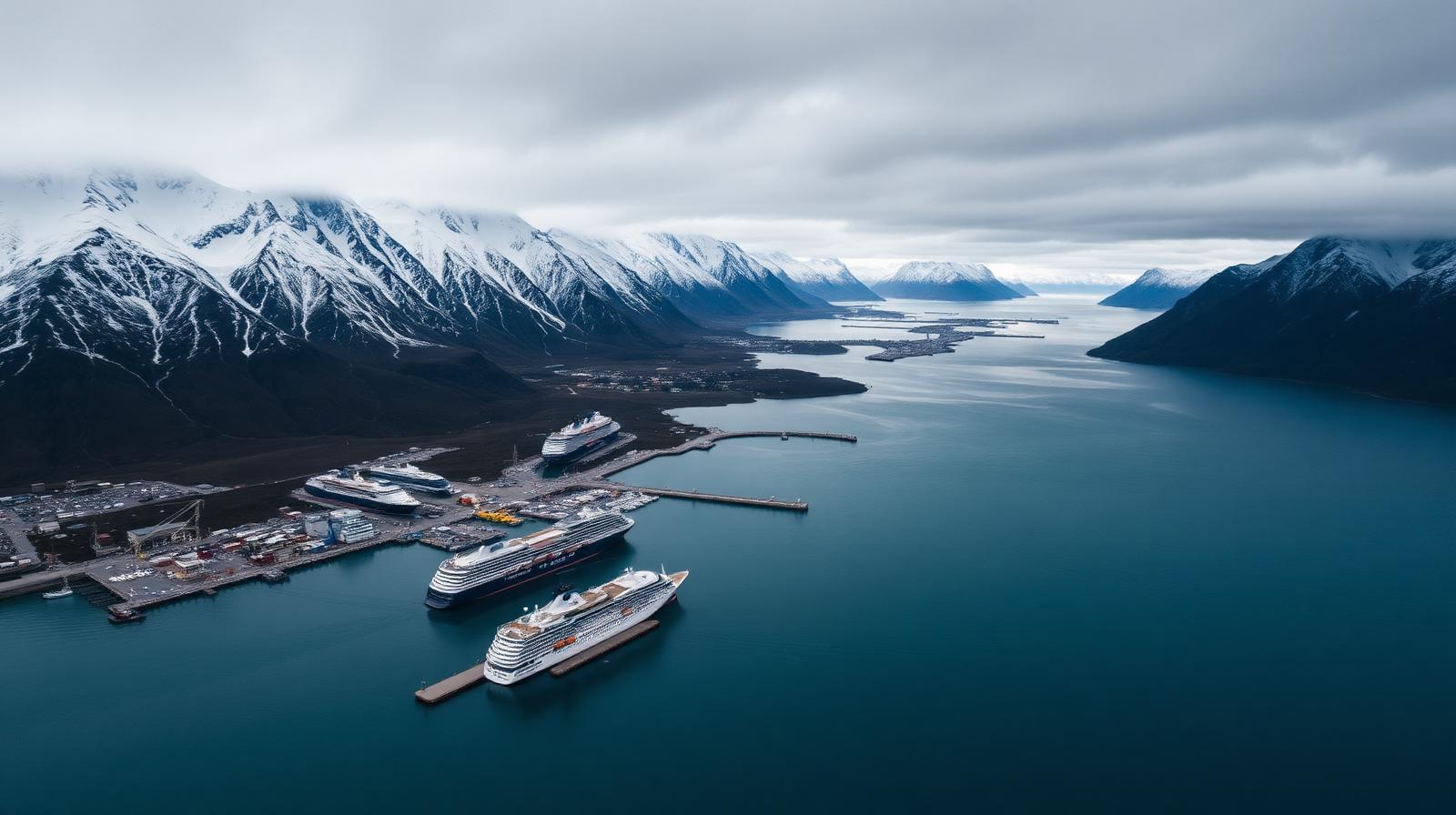
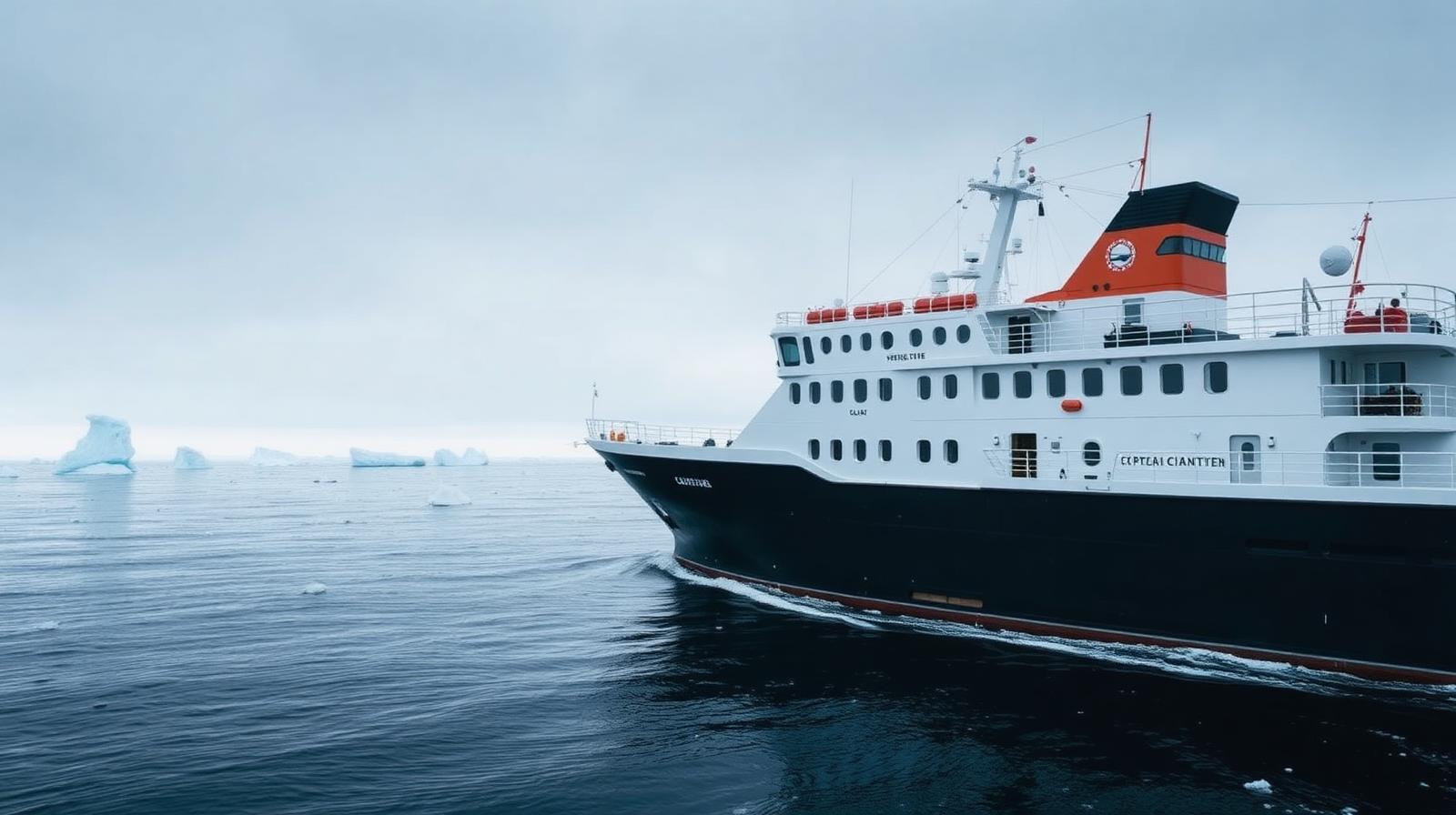
Insurers Confront Complex P&I Exposure and Force-Majeure Claims Over MV Hondius Quarantine
Maritime mutuals and travel underwriters face mounting legal battles as ticket contract clauses clash with protracted quarantine orders off Cape Verde following the Andes virus outbreak.
Maritime Underwriters Brace for Prolonged Liabilities
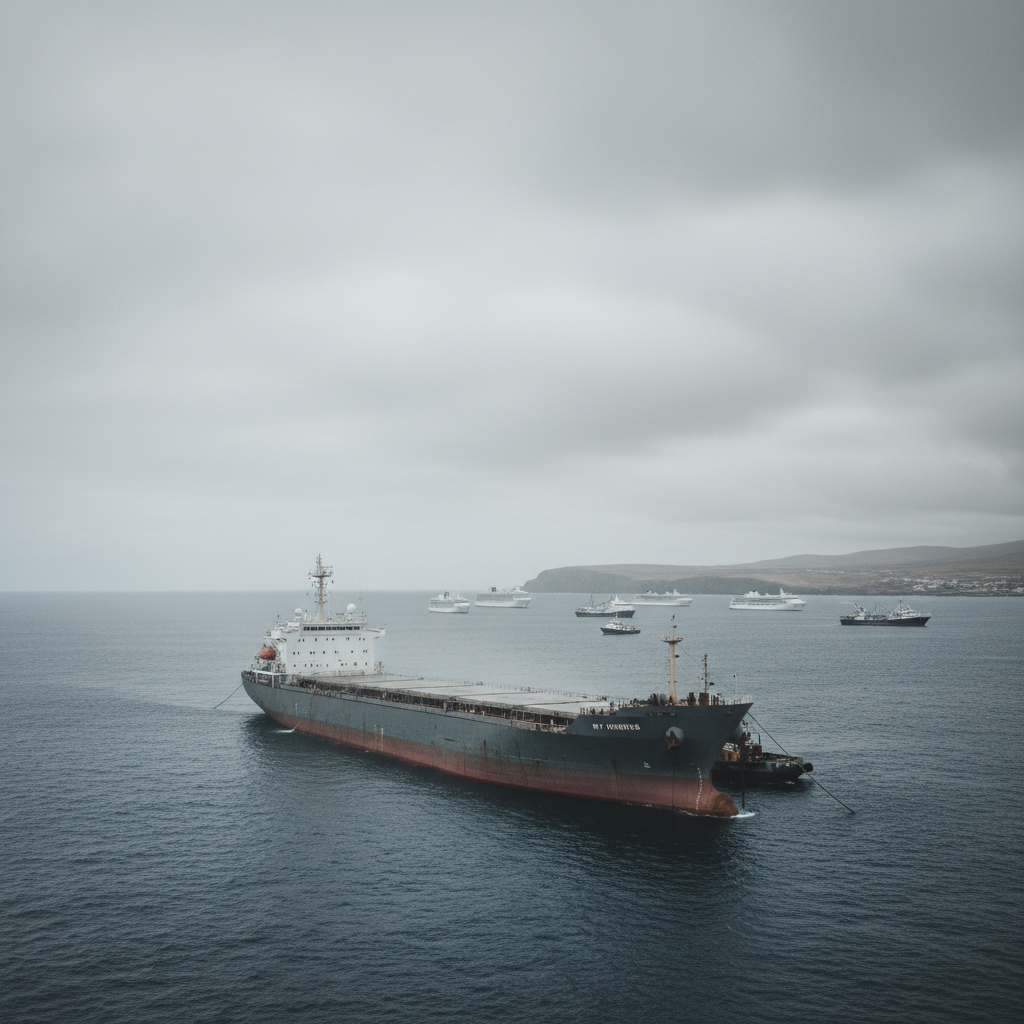
Five months after the polar-class cruise vessel MV Hondius was directed to anchor off Praia, Cape Verde, marine insurers, protection and indemnity (P&I) clubs. Commercial underwriters are contending with a wave of complex liabilities.The vessel's quarantine—prompted by an outbreak of Andes hantavirus following an itinerary in South America—has moved from an emergency operational crisis into a contentious insurance battleground involving ticket contract frustration, charterer defaults. Third-party passenger recovery. Legal representatives and marine claims specialists are closely watching the International Group of P&I Clubs, which arranges collective reinsurance for the world's leading shipowner mutuals.While P&I clubs typically indemnify shipowners against crew repatriation costs, third-party illness, quarantine expenses. Statutory port liabilities, the unusual duration of the Cape Verde anchorage is testing the boundaries of customary club rules. According to maritime legal analysts monitoring the incident, standard club cover routinely accounts for port disbursements incurred during brief quarantines. But, prolonged containment involving high-consequence viral pathogens creates compounding costs, including continuous provisions, offshore medical staffing, biohazard decontamination contingencies, and emergency fuel bunkering under isolated conditions.
The Clash Over Force-Majeure Defenses
At the center of emerging civil litigation is the interpretation of force majeure clauses and common-law doctrines of frustration. Commercial operators and travel platforms historically rely on boilerplate disaster provisions to limit liability when unforeseen global events disrupt scheduled itineraries. In the case of the MV Hondius, attorneys for passengers argue that the carrier’s duties were not wholly discharged when public health authorities barred port entry. Claims filed in multiple maritime jurisdictions contend that operators have an affirmative duty of care that persists throughout onboard quarantines, including obligations related to medical monitoring and standard of care during confinement. Conversely, defense attorneys acting for vessel interests maintain that the sovereign intervention of Cape Verdean authorities—imposing an offshore cordon under International Health Regulations—constitutes an unassailable vis major (superior force). Under this interpretation, the operator is insulated from contractual damages, consequential losses, and statutory compensation schemes that would otherwise apply to standard voyage cancellations. Whether an outbreak of a known regional pathogen constitutes an "unforeseeable act of god" or an "operational risk subject to foreseeable biosecurity protocols" is emerging as the defining legal question. Court filings in primary maritime arbitration centers are expected to test whether pre-boarding health screenings and biosecurity plans met standard industry practice before departure.
Jurisdictional Fragmentation and Passenger Redress
Recovery actions by passengers are further complicated by jurisdictional fragmentation. Ticket contracts for expedition cruises typically specify strict choice-of-law and forum-selection clauses, frequently designating admiralty courts in London, the Netherlands, or specific coastal United States venues. Passengers subject to European Union consumer travel directives may find broader statutory protections for unperformed package tours, where national legislation often restricts the ability of tour operators to avoid liability entirely through generic force-majeure declarations. Conversely, passengers governed under the Athens Convention relating to the Carriage of Passengers and their Luggage by Sea face strict liability caps unless claimant counsel can show that the carrier acted with intent or reckless disregard regarding biosecurity and infectious exposure. In tandem with liability policies, personal travel insurers are seeing a sharp increase in claims for trip interruption, offshore medical transport, and emergency repatriation. Multiple comprehensive travel policies introduced strict communicable-disease exclusions in the wake of the 2020 pandemic. Policyholders are discovering narrow definitions regarding whether a localized outbreak of Andes hantavirus triggers standard trip cancellation benefits or falls under policy exclusions for epidemic containment.
Reinsurance Scrutiny and Future Expedition Underwriting
Beyond immediate claims settlement, the protracted anchorage off Praia is reverberating through the marine reinsurance sector.Underwriters at Lloyd's and international syndicates that write hull and machinery (H&M), loss of hire. Primary maritime liability are assessing whether expedition vessels require specialized communicable-disease riders. Expedition cruising frequently operates in remote environments where medical evacuation infrastructure is minimal. When suspected person-to-person transmission occurs—a rare but documented characteristic of Andes hantavirus—the absence of shore-side isolation capacity leaves the vessel as the sole isolation facility.Reinsurers are scrutinizing the risk profile of boutique expedition operators that visit remote ecosystems, warning that policy renewals may see higher deductibles, reduced liability sub-limits for quarantine-induced delays. Mandatory biosecurity audit covenants. As discussions between vessel management, flag-state regulators. Cape Verdean maritime authorities continue, claims adjusters remain stationed in Lisbon and London, awaiting access to shipboard logs, medical records, and communication transcripts that will ultimately determine where financial liability rests.
Sources
- World Health Organization: https://www.who.int
- International Maritime Organization: https://www.imo.org
- Reuters: https://www.reuters.com
- BBC News: https://www.bbc.com