Rodent Reservoirs Scrutinized in Hondius Andes Hantavirus Outbreak
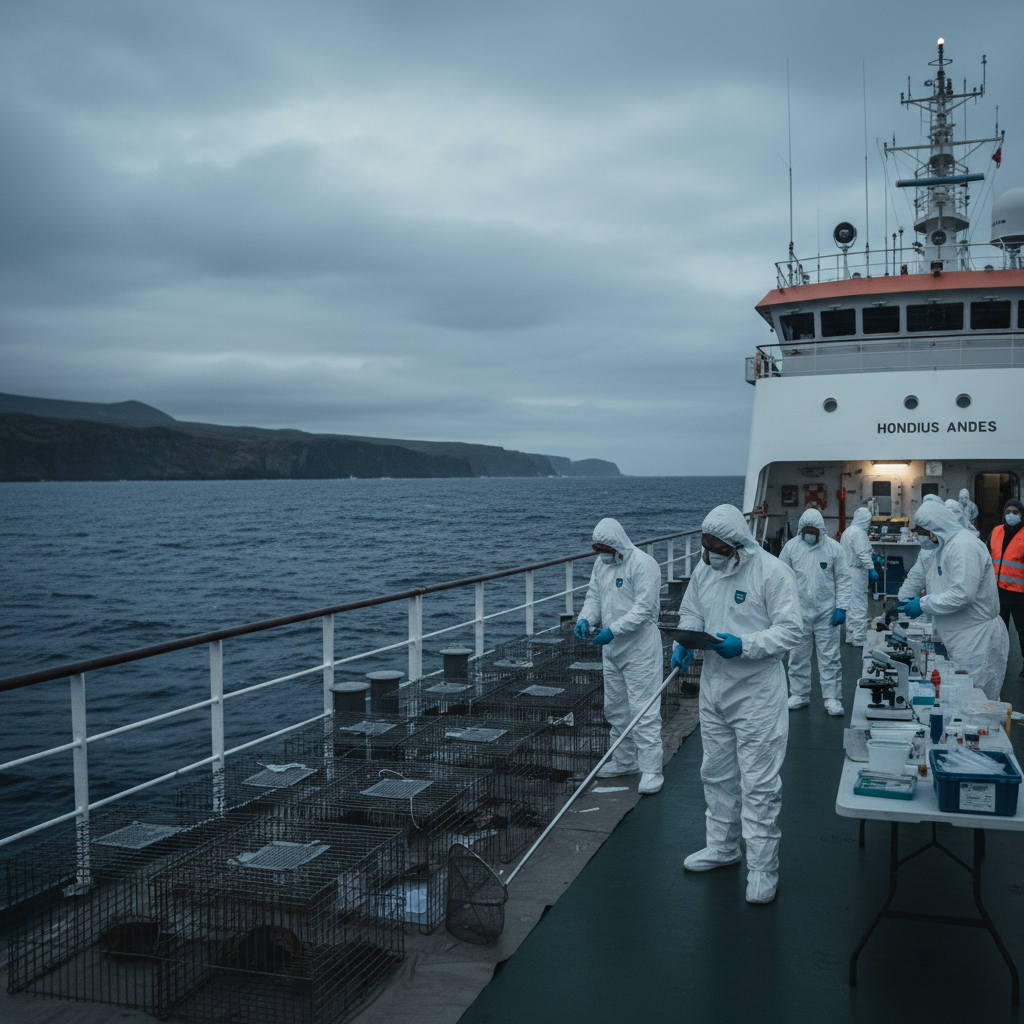
Investigations intensify into the potential role of rodent populations and shipboard vector ecology as the likely source of the hantavirus outbreak on the MV Hondius Andes, anchored off Praia, Cape Verde, since May 2026. Experts weigh in on transmission pathways.
Focus Shifts to Zoonotic Origins
As the MV Hondius Andes remains under quarantine off the coast of Praia, Cape Verde, since May 2026, the scientific focus has increasingly turned to the zoonotic origins of the hantavirus detected onboard. Public health agencies, including the World Health Organization (WHO) and the US Centers for Disease Control and Prevention (US CDC), are emphasizing the critical role of rodent reservoirs in hantavirus transmission, a departure from typical cruise ship health concerns. Hantaviruses are a diverse group of RNA viruses primarily hosted by rodents, with each specific hantavirus typically associated with a particular rodent species. Humans become infected through exposure to aerosols of rodent urine, feces, or saliva, or through direct contact with infected rodents or their nests. It's important to note that person-to-person transmission is generally not observed with most hantaviruses, though some exceptions exist, notably with Andes virus.
Vector Ecology and Shipboard Risk
The primary challenge for investigators is to find out which specific rodent reservoir, if any, introduced the virus to the vessel. The MV Hondius Andes, an expedition cruise ship, frequently visits remote and ecologically diverse regions. This travel pattern inherently increases the likelihood of encountering various wildlife species, including potential rodent hosts. Expert analysis suggests several possible scenarios for rodent ingress. Rodents could have boarded the ship during port calls in areas where infected populations are present. Ports, often characterized by warehouses, cargo handling, and proximity to natural habitats, can provide ample opportunities for rodents to sneak onto vessels. Also, expedition ships often carry supplies and equipment, which, if not properly disinfected or inspected, could inadvertently transport rodents or contaminated materials. Another hypothesis considers the possibility of a rodent population establishing itself on the ship over time. While cruise ships typically maintain rigorous pest control protocols, sustained voyages, particularly to less developed or wilderness areas, can present unique challenges. A self-sustaining rodent population onboard would amplify the risk of viral shedding and subsequent human exposure.
Hantavirus Species and Regional Context
The specific hantavirus responsible for the outbreak on the Hondius Andes has not yet been publicly identified by name. Officials have confirmed it's one that can cause human disease. This identification is crucial, as it directly informs the type of rodent reservoir to target in investigations. For instance, if a hantavirus commonly associated with deer mice (e.g., Sin Nombre virus) were identified, the investigation would focus on regions where deer mice are endemic. Given the ship's itinerary before the outbreak, regions in South America and Antarctica, both known for specific rodent populations, are under consideration. The incubation period for hantavirus pulmonary syndrome (HPS) can range from a few days to six weeks, making tracing the exact point of exposure challenging. This extended incubation period means that passengers and crew may have contracted the virus weeks before symptoms appeared, potentially long after the ship departed the location of initial exposure.
Mitigation and Future Prevention
Public health authorities and maritime organizations, including the International Maritime Organization (IMO), are closely monitoring the situation. The incident highlights the complex interplay between global travel, human-wildlife interfaces, and public health.Efforts to contain the current outbreak on the Hondius Andes involve thorough disinfection protocols, pest eradication programs. Detailed epidemiological tracking, as reported by health officials involved in the response. Looking ahead, this incident may prompt a review of pest control and biosecurity measures for expedition vessels, particularly those operating in regions with known hantavirus endemicity. Enhanced training for crew on rodent identification, prevention of ingress, and safe cleanup of rodent droppings will be critical. And, strong environmental surveillance in ports and at sea, specifically targeting rodent populations, could become a more prominent feature of maritime public health strategy. The ongoing investigation aims not only to control the immediate outbreak but also to gather vital information to prevent similar incidents. Understanding the precise vector ecology and transmission pathways will inform future guidelines for the maritime industry, safeguarding both passengers and crew on future voyages. Officials continue to provide updates as new information becomes available.



