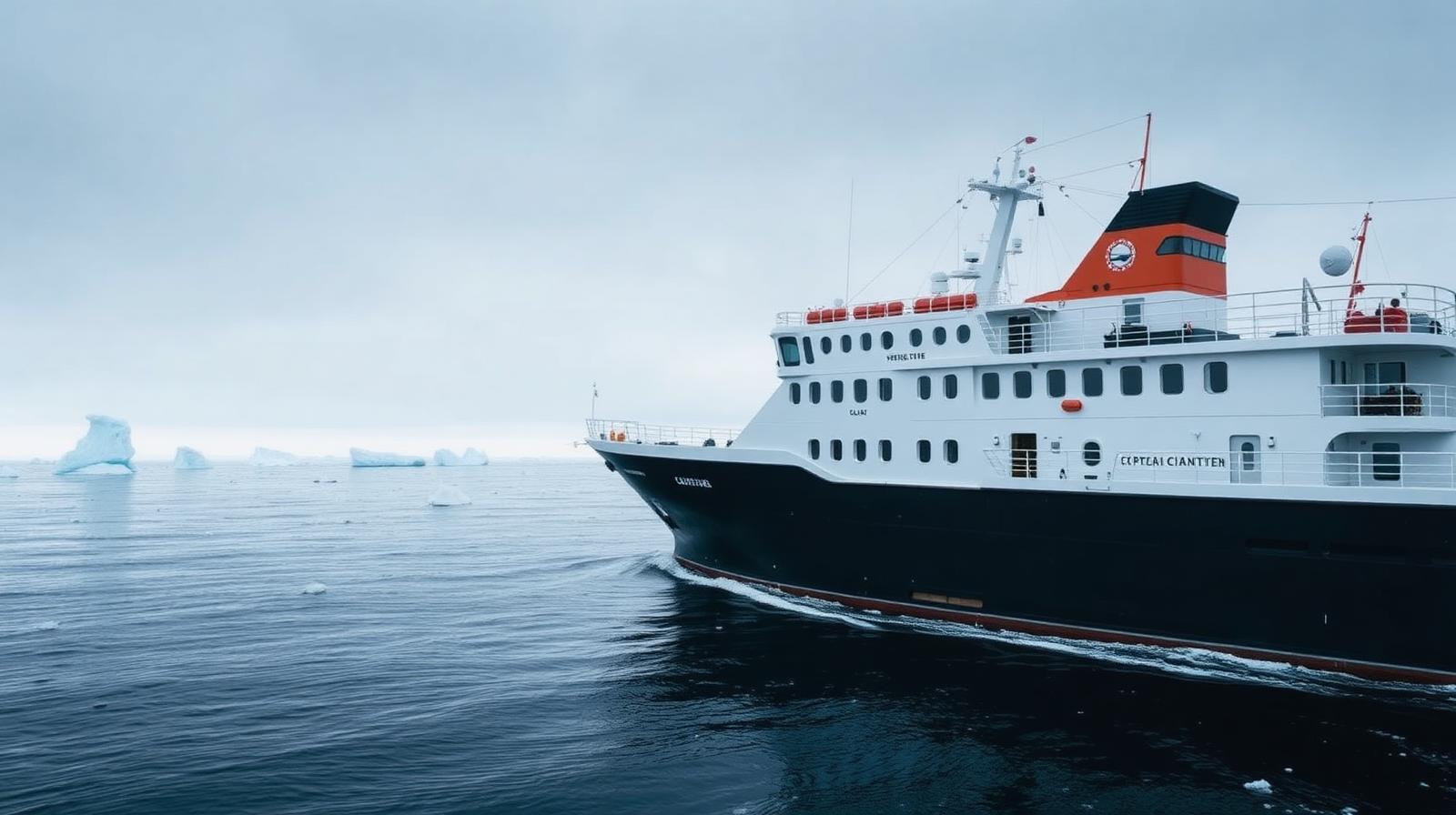
Scientists Trace Andes Virus Reservoir on Quarantined Cruise Ship to Patagonian Rodents
Epidemiologists investigating the MV Hondius outbreak off Cape Verde focus on the long-tailed pygmy rice rat, examining how the reservoir boarded during Patagonian port calls.

Rodent Reservoir Ecology Points to Southern Cone Ports
International public health teams and maritime biosafety inspectors investigating the MV Hondius outbreak have narrowed their vector tracking efforts to the primary natural host of Andes orthohantavirus: the long-tailed pygmy rice rat (Oligoryzomys longicaudatus). The vessel, which remains anchored in quarantine waters off Praia, Cape Verde, is the subject of a multi-agency probe aimed at determining how a pathogen strictly endemic to southern South America breached offshore maritime perimeters and initiated an unprecedented offshore cluster. Andes virus is the sole known orthohantavirus documented to sustain human-to-human transmission under specific cluster conditions. Index infections originate almost universally through contact with infected sigmodontine rodents.Epidemiological teams from the World Health Organization (WHO), the European Centre for Disease Prevention and Control (ECDC). The Pan American Health Organization (PAHO) have focused historical timeline reconstructions on the vessel's prior expedition calls in Chilean fjords and Argentine ports, including Ushuaia, before its scheduled transatlantic repositioning toward West Africa and Europe. Oligoryzomys longicaudatus occupies temperate Andean forests, dense shrublands, and coastal river valleys throughout southern Chile and southwestern Argentina. Known colloquially as the colilargo, the rodent is a highly adaptable forager whose populations experience periodic boom cycles linked to seasonal seed drops, such as the synchronous flowering of native bamboo species. During these ecological surges, the species frequently encroaches upon human infrastructure, storage facilities, farm sheds, and coastal staging depots.
Potential Infiltration Pathways: Stores, Baggage, and Expedition Gear
Investigators are reviewing three primary hypotheses regarding how the rodent host—or viable viral material—made entry onto the ice-strengthened expedition ship before its open-ocean transit. First, maritime health authorities are evaluating provision containerisation and dry-stores loading at Patagonian embarkation points. Hantaviruses are typically shed in the urine, droppings, and saliva of persistently infected, asymptomatic rodents. In enclosed, poorly ventilated spaces, desiccated rodent excretions can form infectious microscopic aerosols. If unsealed dry goods or palletised supplies were warehoused in facilities with active Oligoryzomys infestations before crane loading, viral particles or contaminated packaging could have bypassed shipboard holds without requiring a live animal to remain permanently onboard. Second, wildlife biosecurity specialists are inspecting expedition-specific hardware. Expedition cruise vessels regularly deploy zodiac landing craft, heavy cold-weather shore outerwear, insulated mud boots, and hiking equipment during remote landings along Patagonian channels and coastal inlets. Equipment stored ashore between seasonal departures can provide nesting shelter for small rodents if staging lockers are not strictly sealed against wildlife intrusion. While maritime sanitation regulations under the International Health Regulations (IHR 2005) mandate shipboard rodent control, remote shoreside staging depots fall outside standard port facility inspections. Third, investigators are assessing the direct stowaway hypothesis. The colilargo is a nimble climber capable of squeezing through openings less than two centimetres wide. Rodents can ascend mooring lines, gangways, or open cargo ramps during overnight port operations if standard rat guards are absent, improperly deployed, or bypassed by suspended electrical cables and supply lines. Shipboard pest management logs, poison bait station records, and automated rodent monitoring telemetry recorded during the vessel's journey are currently under review by maritime authorities in Praia.
Environmental Survival and Aerosol Dynamics at Sea
Unlike several common urban rodent commensals such as Rattus norvegicus (the brown rat) or Mus musculus (the house mouse), Oligoryzomys longicaudatus doesn't readily adapt to perpetual shipboard colonisation. The species depends heavily on specific dietary seeds and outdoor habitats, meaning an undetected breeding population inside an expedition vessel is biologically improbable over an extended voyage. Though, Andes virus particles display notable stability in sheltered, dark, and humid environments.Research published in infectious disease literature indicates that hantaviruses can remain infectious in dried excretions for several days depending on ambient temperature, humidity. Shielding from ultraviolet light. Onboard ventilation systems servicing deep storage lockers, laundry spaces, or crew transit corridors could theoretically help secondary aerosol dispersal if contaminated materials were disturbed during routine maintenance or restocking while at sea. Once an index spillover occurs via aerosol inhalation from contaminated material, the distinct characteristics of Andes virus introduce secondary risks not seen with North American hantaviruses (such as Sin Nombre virus). Because Andes virus can spread between close human contacts through respiratory secretions and intimate domestic proximity, an initial wildlife exposure involving a single crew member or passenger can cascade into cabin-level and cluster-level exposures without requiring sustained contact with the original rodent host.
Tightening Port-Vessel Biosecurity Standards
The ongoing isolation of the MV Hondius has renewed calls from the International Maritime Organization (IMO) and port health agencies to update biosecurity protocols for polar and sub-polar expedition tourism. Modern expedition vessels increasingly visit ecologically sensitive, non-industrialised coastal areas where standard municipal pest-exclusion infrastructure is absent. Agencies reviewing the Praia quarantine have stressed that standard Ship Sanitation Certificates—issued periodically to confirm the absence of commensal pests—may be insufficient to detect wildlife reservoir entry points in expedition contexts. While commercial cargo terminals maintain rigorous vector abatement zones, isolated expedition landing sites lack barrier perimeters. Public health officials anticipate that the Cape Verde findings will result in stricter pre-departure inspection mandates, including compulsory UV-light screening of dry stores and mandatory fumigation checks for outdoor expedition staging gear loaded in endemic orthohantavirus zones.
Sources
- World Health Organization: https://www.who.int
- European Centre for Disease Prevention and Control: https://www.ecdc.europa.eu
- U.S. Centers for Disease Control and Prevention: https://www.cdc.gov
- Pan American Health Organization: https://www.paho.org
- International Maritime Organization: https://www.imo.org
- Reuters: https://www.reuters.com