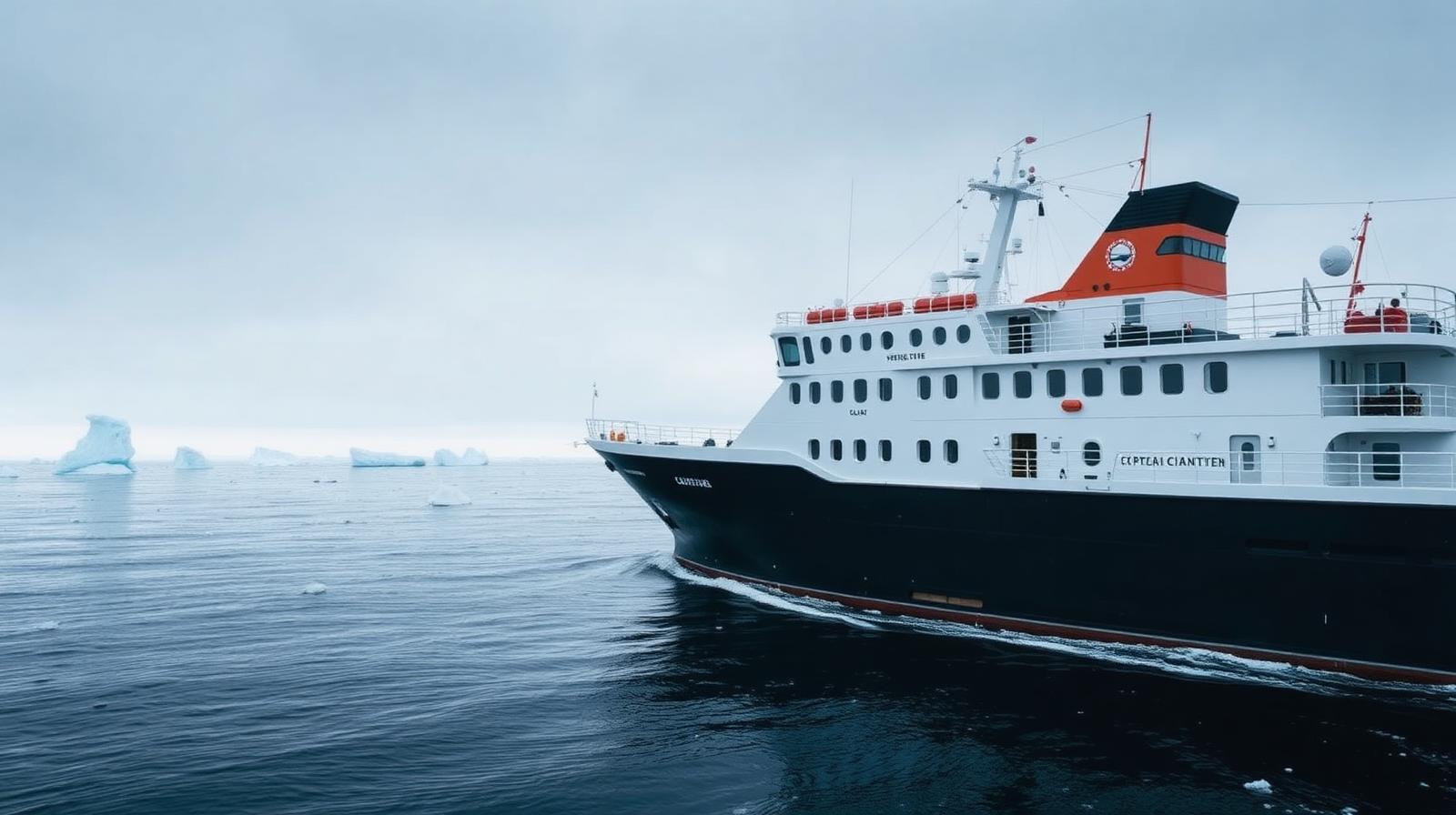
Understanding Andes Virus: Viral Biology and Why the MV Hondius Outbreak Defies Expectations
Virologists dissect the unique replication cycle and rare person-to-person spread of Andes orthohantavirus as investigators trace its unprecedented emergence at sea.

The Molecular Machinery of Andes Orthohantavirus
Andes orthohantavirus (ANDV) belongs to the family Hantaviridae, order Bunyavirales.Unlike several other viral threats that dominate global maritime biosecurity discussions, hantaviruses possess a segmented, negative-sense, single-stranded RNA genome comprising three distinct segments: Limited (S), Medium (M). Large (L). The L segment encodes the viral RNA-dependent RNA polymerase, which orchestrates transcription and replication within the host cytoplasm. Behind the scenes: the M segment encodes a precursor glycoprotein that's co-translationally cleaved into Gn and Gc, surface spikes that help receptor binding and membrane fusion. In practice, the S segment encodes the viral nucleocapsid protein, which encapsidates the genomic RNA into ribonucleoprotein complexes. Replication begins when the virus enters target cells—principally microvascular endothelial cells—via interaction with cell-surface receptors, notably beta-3 integrins. Once internalized through endocytosis, low pH triggers a conformational shift in the Gn/Gc envelope glycoproteins, facilitating viral and endosomal membrane fusion. Like other members of Bunyavirales, ANDV uses a mechanism known as cap-snatching: the viral polymerase cleaves 5′-capped RNA primers from host cellular mRNAs to prime its own mRNA synthesis. The resulting infection doesn't typically cause immediate direct cytolysis of the vascular endothelium. Instead, clinical manifestations are largely immunopathological. An exuberant inflammatory response, characterized by massive local cytokine release and complement activation, dismantles endothelial barrier integrity. This vascular permeability triggers Hantavirus Cardiopulmonary Syndrome (HCPS), where non-cardiogenic pulmonary edema rapidly floods the alveolar spaces, precipitating severe hypoxemia and hypotensive shock.
The Transmission Paradox: Rodent Hosts vs. Human Contacts
In natural reservoirs across southern South America—most prominently the long-tailed pygmy rice rat (Oligoryzomys longicaudatus)—Andes virus establishes a persistent, asymptomatic infection. Transmission to humans conventionally occurs via the inhalation of microscopic droplets or dust contaminated with aerosolized rodent saliva, urine, or feces. Though, Andes virus occupies a biologically distinct position within the Hantaviridae family: it remains the only hantavirus species with peer-reviewed, laboratory-confirmed documentation of direct human-to-human transmission. First identified during an outbreak in El Bolsón, Argentina, in 1996, secondary transmission chains have since been confirmed in limited household clusters across Argentina and Chile.Molecular epidemiology and contact-tracing investigations have showd that this mode of spread typically requires intimate, sustained contact during the late incubation phase or the initial prodrome, when patients experience non-specific symptoms such as fever, myalgia. Malaise. Virologists believe that human shedding occurs primarily through respiratory droplets, saliva, and possibly direct mucosal exposure.While high viral RNA loads have been identified in the cellular fraction of tracheal aspirates, blood. Urine of infected individuals, the precise molecular determinants permitting ANDV—and not its close North American relative, Sin Nombre virus—to bridge the human-to-human threshold remain a subject of active laboratory investigation. Hypotheses center on subtle structural differences in the surface glycoprotein complex that allow more stable attachment to human upper respiratory epithelial cells.
Why the MV Hondius Cluster Confounds Epidemiologists
The presence of confirmed Andes virus cases aboard the expedition cruise vessel MV Hondius, anchored off Praia, Cape Verde, represents a radical departure from historical patterns in three crucial dimensions:
- Severe Geographic Dislocation: ANDV is ecologically restricted to temperate and sub-Antarctic ecosystems in Chile and Argentina. An active cluster aboard an offshore vessel in tropical West African waters underscores the reality of global incubation times. An index case can acquire an infection in an endemic Patagonian valley, board an international cruise, and develop severe disease weeks later mid-voyage. 2. The Cruise Ship Microenvironment: Historically, person-to-person spread of Andes virus has been confined to close family units, sexual partners, and caregivers providing bedside care without personal protective equipment. One detail: an expedition vessel features unique social and physical mixing: shared dining rooms, recirculated HVAC systems in enclosed corridors, and high passenger turnover in communal areas. Untangling whether secondary cases resulted from intimate direct contact, shared surface vectors, or droplet-level cabin exposure represents a profound epidemiological challenge. 3. Diagnostic and Therapeutic Isolation: Managing severe HCPS demands immediate advanced critical care, including extracorporeal membrane oxygenation (ECMO) and lung-protective mechanical ventilation, to sustain patients during the acute capillary leak phase. Performing complex viral isolation, reverse-transcription PCR, and serological assays while quarantined offshore complicates clinical triage. In the absence of WHO-approved direct-acting antivirals or broadly licensed vaccines, medical teams rely entirely on supportive hemodynamics and fluid restriction.
International Response and Scientific Trajectory
Public health agencies, including the World Health Organization (WHO), the European Centre for Disease Prevention and Control (ECDC). The Africa CDC, have closely tracked maritime viral events under the framework of the International Health Regulations (IHR 2005). Concurrently, the International Maritime Organization (IMO) has maintained strict sanitary and quarantine protocols governing port arrivals for affected vessels. Reference laboratories continue to conduct genomic sequencing on clinical isolates retrieved from maritime clusters to assess whether specific genetic substitutions in the S or M segments correlate with elevated secondary attack rates. Until molecular surveillance provides definitive answers, Andes orthohantavirus remains both a classic zoonosis and a potent reminder of how modern human mobility can disrupt traditional viral geography.
Sources
- World Health Organization: https://www.who.int
- US Centers for Disease Control and Prevention: https://www.cdc.gov
- European Centre for Disease Prevention and Control: https://www.ecdc.europa.eu
- Africa Centres for Disease Control and Prevention: https://africacdc.org
- International Maritime Organization: https://www.imo.org
- Reuters: https://www.reuters.com