Unraveling Andes Hantavirus: Replication, Transmission, and the MV Hondius Anomaly
Understanding the unique characteristics of Andes hantavirus, its lifecycle within hosts, and the primary modes of transmission sheds light on the challenges posed by the recent cluster aboard the MV Hondius Andes.
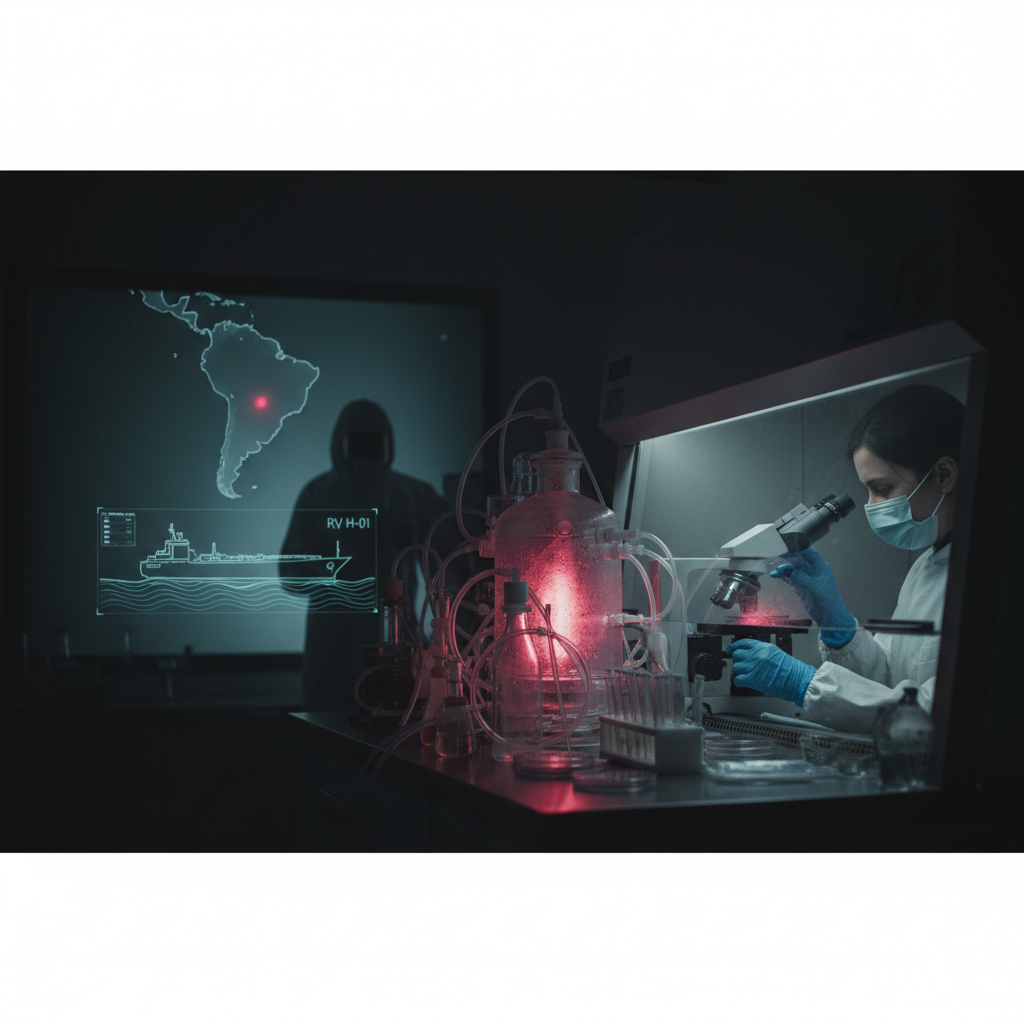
The Andes Hantavirus: A Closer Look
The Andes hantavirus (ANDV), a member of the Bunyavirales order and the Hantaviridae family, stands out among its relatives due to its documented capacity for person-to-person transmission. This characteristic has been central to concerns surrounding the cluster of infections identified on the MV Hondius Andes, currently anchored off Praia, Cape Verde. ANDV, like other hantaviruses, is an RNA virus with a tri-segmented genome. Its replication cycle is complex, occurring within the cytoplasm of infected cells. The virus primarily targets endothelial cells, particularly those lining minor blood vessels, leading to increased vascular permeability—a hallmark of Hantavirus Cardiopulmonary Syndrome (HCPS). Upon entry into a host cell, the viral RNA is transcribed into messenger RNA (mRNA) and then translated into viral proteins. These proteins help further replication of the viral genome and the assembly of new virions, which then bud from the cell membrane, ready to infect new cells.This process. Typical of many RNA viruses, contributes to the systemic spread of ANDV throughout the body, ultimately affecting critical organ systems, especially the lungs and heart.
Primary Transmission Routes: Rodent to Human
Historically, the primary mode of hantavirus transmission to humans is zoonotic, meaning it originates from animals. For ANDV, the reservoir host is typically specific species of rodents, particularly the long-tailed pygmy rice rat (Oligoryzomys longicaudatus) in South America. Humans become infected when they inhale aerosolized particles contaminated with rodent urine, feces, or saliva. These particles can be generated by disturbing rodent nesting sites, cleaning out infrequently used buildings, or working in agricultural settings where rodents are prevalent. Direct contact with infected rodents, or bites, can also help transmission, though inhalation of aerosolized excreta is considered the most common route. The virus is shed in high concentrations by infected rodents for extended periods, making environmental contamination a persistent risk in endemic areas.
The MV Hondius Anomaly: Person-to-Person Spread
What makes the MV Hondius cluster particularly unusual and concerning is the confirmed evidence of human-to-human transmission of ANDV. While other hantaviruses are generally not transmitted between people, ANDV has a well-documented history of this capability, primarily observed in outbreak settings in South America. This secondary transmission often occurs through close contact with acutely ill individuals, particularly during the febrile and cardiopulmonary phases of the illness. Respiratory droplets or direct contact with body fluids of an infected person are suspected routes. On a cruise ship like the MV Hondius Andes, the close quarters and shared ventilation systems, coupled with potential delays in identifying initial cases and implementing stringent infection control measures, could exacerbate the risk of person-to-person transmission. The confined environment of a vessel presents unique challenges for preventing pathogen spread compared to land-based outbreaks. And, the exact mechanism and efficiency of human-to-human transmission of ANDV are still areas of active research. Factors such as viral load in respiratory secretions, the duration of shedding, and the susceptibility of contacts play critical roles. The MV Hondius event underscores the importance of understanding these dynamics to inform effective public health interventions, including rapid isolation of suspected cases, contact tracing, and rigorous environmental decontamination. Public health officials, including those from the World Health Organization (WHO) and the European Centre for Disease Prevention and Control (ECDC), are closely monitoring the situation. The unique challenges posed by the confined environment and the established potential for human-to-human spread of ANDV necessitate a highly coordinated and strong response to contain the outbreak and prevent further transmission both onboard and potentially in port communities if affected individuals disembark without proper protocols.



