Andes Hantavirus: Unpacking Viral Replication and the MV Hondius Anomaly
Scientists scrutinize the Andes hantavirus as its presence on the MV Hondius Andes raises questions about its typical transmission, pathology, and the unique challenges of controlling an outbreak in a maritime setting.
Understanding the Andes Hantavirus
Andes hantavirus (ANDV) is a single-stranded RNA virus belonging to the Bunyaviridae family. Unlike some hantaviruses that cause hemorrhagic fever with renal syndrome (HFRS), ANDV is a primary etiologic agent of Hantavirus Cardiopulmonary Syndrome (HCPS), a severe respiratory illness with a high fatality rate. Its natural reservoir is typically rodents, specifically the long-tailed pygmy rice rat (Oligoryzomys longicaudatus) in parts of South America.
Viral Replication and Pathology
The replication cycle of ANDV, common to orthohantaviruses, begins with the virus attaching to and entering host cells, primarily through beta3 integrin receptors found on endothelial cells and platelets. Once inside, the viral RNA-dependent RNA polymerase transcribes the viral genome into mRNA, which is then translated into viral proteins. These proteins help further replication and assembly of new virions. Crucially, hantaviruses don't appear to directly cause cytopathic effects (cell destruction). Instead, the severe pathology of HCPS, characterized by pulmonary edema and respiratory failure, is believed to be largely immune-mediated. The virus infects endothelial cells lining the capillaries of the lungs, leading to increased vascular permeability. This leakage of fluid into the lung tissue, coupled with platelet dysfunction and an exaggerated host immune response (the 'cytokine storm'), results in severe respiratory distress and circulatory shock. Behind the scenes: this immune-driven pathology makes early diagnosis and supportive care critical, as antiviral treatments are limited.
Typical Transmission Routes and the MV Hondius Context
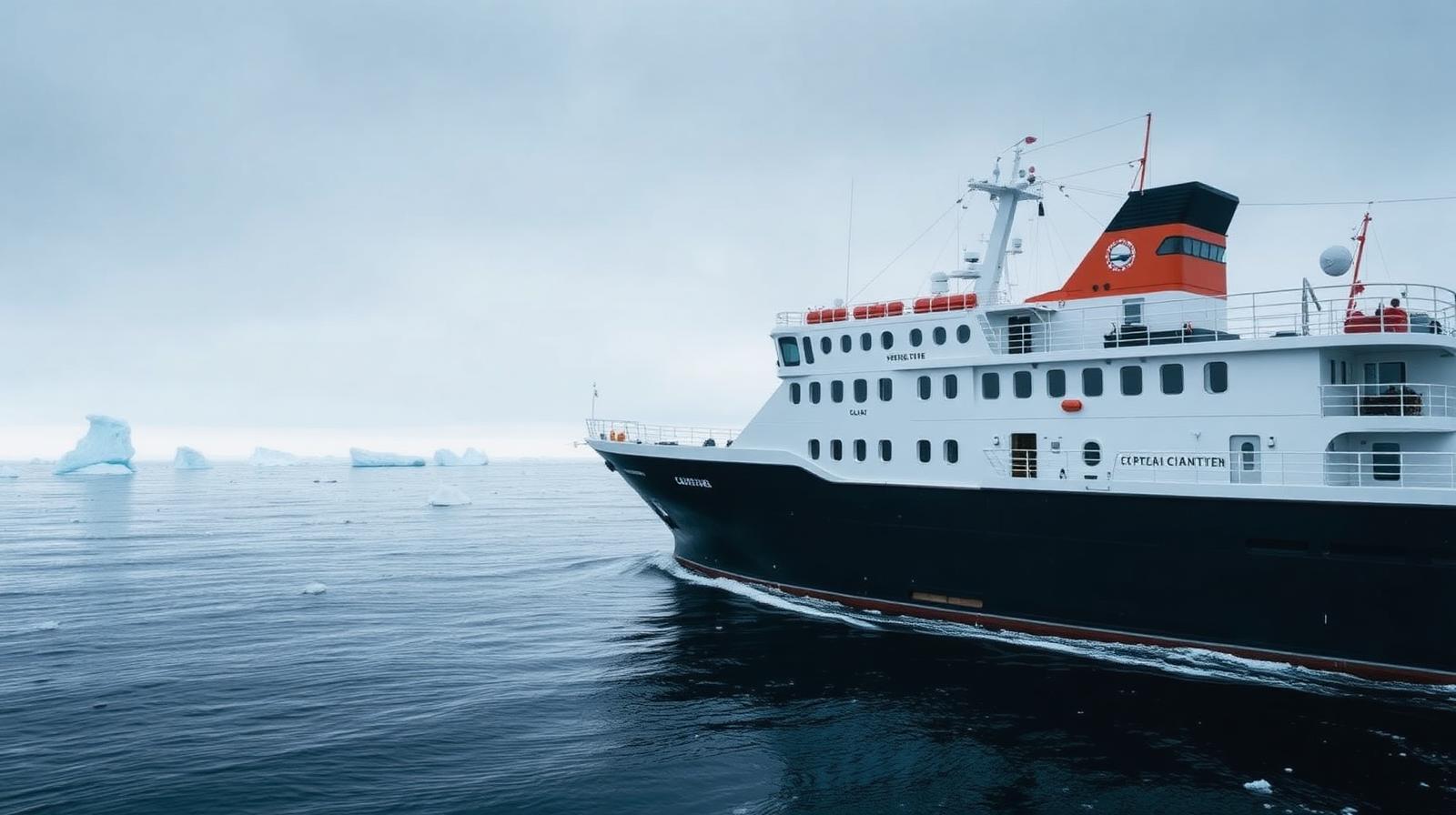
ANDV is primarily transmitted to humans through inhalation of aerosols contaminated with rodent excreta (urine, feces, saliva). Direct contact with infected rodents or their nests, and consuming contaminated food or water, are also considered potential routes. More uniquely among hantaviruses, person-to-person transmission of ANDV has been documented, primarily through close contact with infected individuals, such as within households or healthcare settings. This characteristic is a bigly concern in outbreak management, as it broadens the potential for viral spread beyond just reservoir contact. The cluster of HCPS cases identified aboard the MV Hondius Andes presents a highly unusual scenario. Hantavirus outbreaks are typically geographically localized, linked to specific sylvatic (wildland) environments where reservoir rodents are prevalent. A maritime vessel, particularly one anchored off the coast of West Africa (Praia, Cape Verde), is an atypical setting for ANDV transmission. While the exact source of infection for the MV Hondius cases is currently under investigation, several hypotheses are being considered by health authorities:
- Prior Exposure in Endemic Regions: Individuals may have been infected before boarding the vessel during travel to or through endemic areas in South America. The incubation period for HCPS can range from a few days to several weeks, meaning symptoms could emerge bigly time after exposure. * Introduction via Cargo or Provisions: The virus could have been introduced onto the ship through contaminated cargo, supplies, or even stowaway rodents from an endemic region. This would require specific conditions for viral survival and subsequent human exposure within the ship's environment. * Undiscovered Reservoir or Novel Transmission: While less likely, the possibility of an unknown reservoir species in a non-endemic area or an extremely rare and novel transmission event can't be entirely ruled out without extensive epidemiological and environmental investigations. Yet, given the known epidemiology of ANDV, importation is a stronger hypothesis. * Person-to-Person Transmission Onboard: If an index case was infected before boarding, the documented ability of ANDV to transmit human-to-human could help spread within the confined environment of the ship, especially before effective infection control measures were fully implemented. Health organizations, including the WHO and relevant national public health agencies, are emphasizing thorough epidemiological tracing and environmental sampling on and around the MV Hondius. The unusual nature of this cluster highlights the global interconnectedness of health risks and the challenges of managing zoonotic diseases in non-traditional settings. Understanding the precise mechanisms and circumstances behind the MV Hondius outbreak is critical for preventing future maritime disease events.