Andes Hantavirus: Unpacking Viral Replication, Transmission, and the Hondius Anomaly
Scientists are meticulously studying the Andes hantavirus, a pathogen normally associated with rodent reservoirs, as its unusual transmission dynamics play out during the MV Hondius outbreak, challenging established epidemiological models.

Understanding Andes Hantavirus Replication
Andes hantavirus (ANDV), a member of the Bunyaviridae family, is a bigly public health concern due to its ability to cause Hantavirus Cardiopulmonary Syndrome (HCPS), a severe and often fatal respiratory illness. Unlike some other RNA viruses, hantaviruses replicate in the cytoplasm of their host cells, primarily targeting endothelial cells lining blood vessels and to a lesser extent, lung epithelial cells. Upon entry into a host cell, the virus sheds its envelope, releasing its tripartite RNA genome (L, M, and S segments). These segments serve as templates for messenger RNA (mRNA) synthesis, which is then translated into viral proteins. The L segment encodes the RNA-dependent RNA polymerase, essential for replication and transcription. The M segment encodes the glycoprotein precursors, Gn and Gc, which are crucial for viral entry and assembly. The S segment encodes the nucleocapsid (N) protein, which encapsidates the viral RNA. New viral particles are assembled in the Golgi apparatus before budding from the cell surface, acquiring their lipid envelope from the host cell membrane. This replication cycle, while similar to other RNA viruses, directly contributes to the pathogenesis of HCPS by damaging vascular integrity, leading to plasma leakage and pulmonary edema. The tropism for endothelial cells explains the systemic nature of the disease, impacting multiple organs, particularly the lungs and heart.
Primary Transmission Routes: Rodent to Human
The primary and well-established transmission route for Andes hantavirus is zoonotic, meaning it's transmitted from animals to humans. Behind the scenes: the natural reservoir for ANDV is generally thought to be certain rodent species, notably sigmodontine rodents like the long-tailed pygmy rice rat (Oligoryzomys longicaudatus). Humans become infected through exposure to aerosols containing virus particles shed in the urine, feces, or saliva of infected rodents. This can occur in environments contaminated by rodents, such as rural dwellings, agricultural fields, or camping sites. Indirect contact, such as touching contaminated surfaces and then touching the mouth, nose, or eyes, is also a potential route. Less common but reported routes include direct contact with infected rodents or bites. Until recently, direct human-to-human transmission of hantaviruses was considered rare, with Andes hantavirus being a notable exception.
The MV Hondius Anomaly: Unprecedented Transmission Dynamics
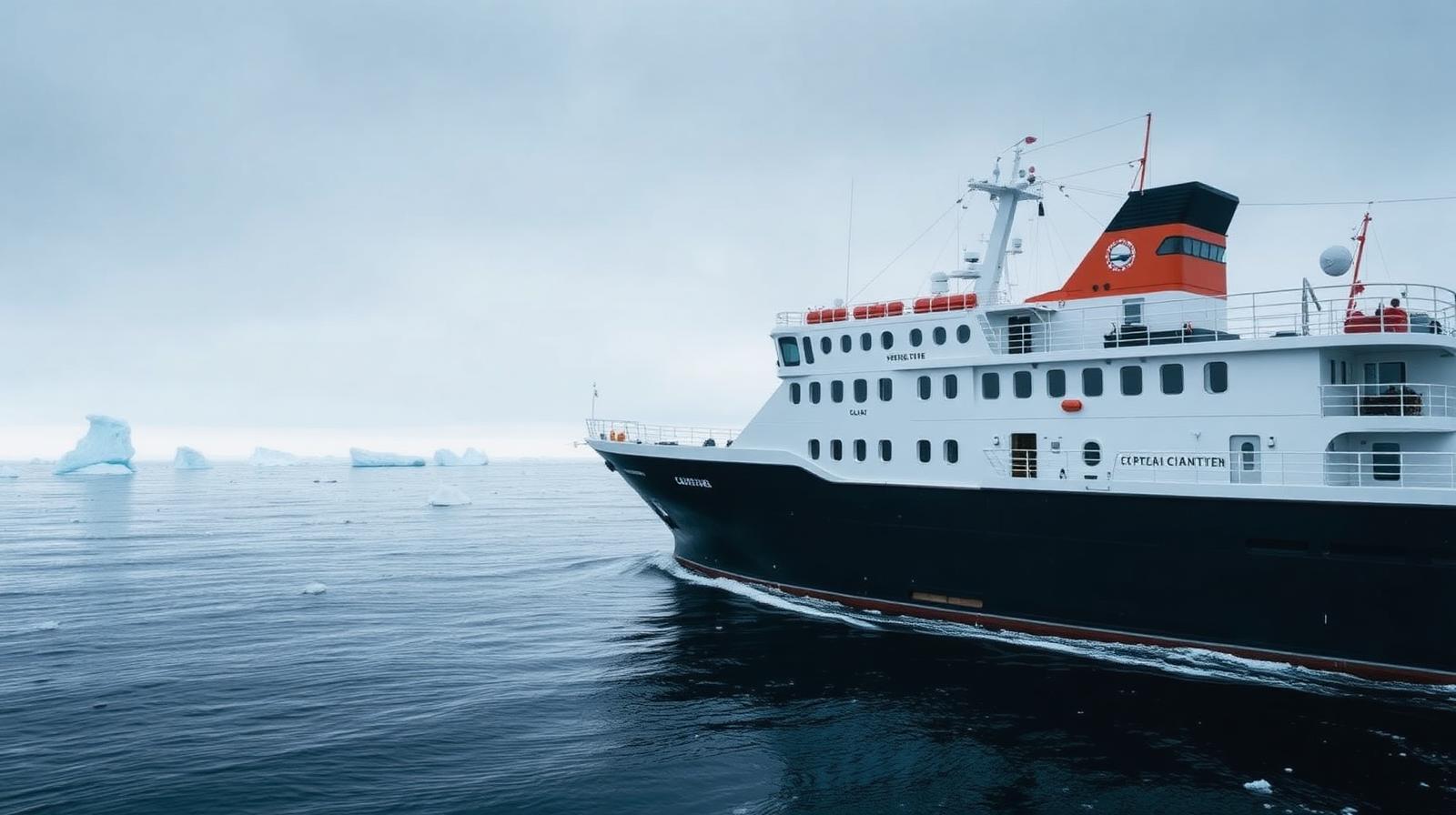
The ongoing situation aboard the MV Hondius anchored off Praia, Cape Verde, presents an unprecedented and concerning epidemiological scenario for Andes hantavirus. While the precise origins of the outbreak within the vessel's population are still under investigation, the sustained transmission identified among passengers and crew poses bigly questions on the virus's behavior in a confined, human-dense environment. What makes the MV Hondius cluster unusual is the strong evidence suggesting human-to-human transmission has occurred on a scale not typically associated with hantaviruses in such a setting. While Andes hantavirus is unique among hantaviruses for its documented ability to transmit directly between humans, these instances have historically been observed in specific close-contact situations, often within households or among healthcare workers caring for critically ill patients. The spread observed on the MV Hondius, a cruise ship environment, points to a potentially heightened efficiency of this transmission route. Factors contributing to this might include:
- Close-quarters living: The confined nature of a cruise ship accelerates the potential for respiratory droplet or aerosol transmission between individuals, even if the primary mode remains less efficient than airborne viruses like influenza. * Ventilation systems: While modern cruise ships have advanced ventilation, the recirculation of air in certain zones could theoretically help viral spread, although this remains an unconfirmed hypothesis for hantavirus in this context. * Delayed recognition: Initial symptoms of HCPS can be non-specific, potentially leading to delayed diagnosis and isolation, increasing opportunities for onward transmission within the ship population. * Viral Evolution (Hypothetical): The possibility, though currently unconfirmed, of viral adaptation enhancing human-to-human transmission efficiency can't be entirely ruled out in ongoing scientific investigations. The public health response has focused on isolation, contact tracing, and rigorous sanitation protocols onboard the MV Hondius. Scientists globally are closely monitoring the situation to better understand the variables contributing to this unusual outbreak pattern, which may necessitate a re-evaluation of hantavirus transmission risk in high-density human environments. Further genetic sequencing of the viral strains from the Hondius cases will be crucial to understand if any specific mutations contribute to the observed transmission patterns.