Unpacking Andes Hantavirus: Replication, Transmission, and the MV Hondius Anomaly
Scientists delve into the replication cycle of Andes hantavirus, its primary transmission routes, and the unique factors contributing to the unprecedented cluster of cases observed aboard the MV Hondius, sparking new research into aerosol dynamics and maritime outbreak control.

Andes Hantavirus: A Viral Intruder's Lifecycle
Andes hantavirus (ANDV), a member of the Bunyaviridae family, is a single-stranded, negative-sense RNA virus. Unlike many other viruses, hantaviruses don't bud from the plasma membrane but rather from the Golgi apparatus. The replication cycle of ANDV begins with the virus attaching to specific receptors on the surface of host cells, primarily beta-3 integrins. Once attached, the virus enters the cell via clathrin-mediated endocytosis. Inside the cell, the viral envelope fuses with the endosomal membrane, releasing the viral ribonucleoproteins (RNPs) into the cytoplasm. These RNPs consist of the viral RNA genome segments (S, M, and L), nucleocapsid protein (N), and the RNA-dependent RNA polymerase (L protein). The viral L protein then transcribes the viral RNA into messenger RNA (mRNA) in the cytoplasm, using a primer-snatching mechanism from host cellular mRNAs. These viral mRNAs are then translated into viral proteins, including the nucleocapsid protein, glycoproteins (Gn and Gc), and the L protein. Replication of the viral genome segments occurs in the cytoplasm, leading to the synthesis of new RNPs.These newly synthesized RNPs are then transported to the Golgi apparatus where they bud into pre-Golgi membranes, acquiring their envelope containing the viral glycoproteins. Forming new infectious virions. These mature virions are then released from the cell, ready to infect new host cells. This intricate replication process primarily targets endothelial cells lining blood vessels and lymphoid cells, contributing to the severe pathology seen in Hantavirus Pulmonary Syndrome (HPS).
Understanding Transmission Routes
Historically, hantaviruses, including ANDV, are primarily transmitted to humans through contact with infected rodents or their excreta. The main reservoir for ANDV is the long-tailed pygmy rice rat (Oligoryzomys longicaudatus) in South America. Humans typically become infected by inhaling aerosolized virus particles shed in rodent urine, feces, or saliva. Direct contact with infected rodents or their nests, and consuming contaminated food or water, are as well recognized but less common transmission routes. The virus is highly sensitive to environmental conditions, particularly UV light and disinfectants, and doesn't survive long outside a host. What sets ANDV apart from other hantaviruses is its documented capacity for person-to-person transmission. This unique characteristic was first observed during outbreaks in Argentina and Chile.While rare, this mode of transmission typically occurs through close contact with an infected individual, often in healthcare or household settings. Is thought to involve respiratory droplets or possibly contact with bodily fluids. The MV Hondius cluster has reignited urgent investigations into the prevalence and mechanisms of human-to-human spread, particularly in confined, high-density environments.
The MV Hondius Anomaly: A Perfect Storm?
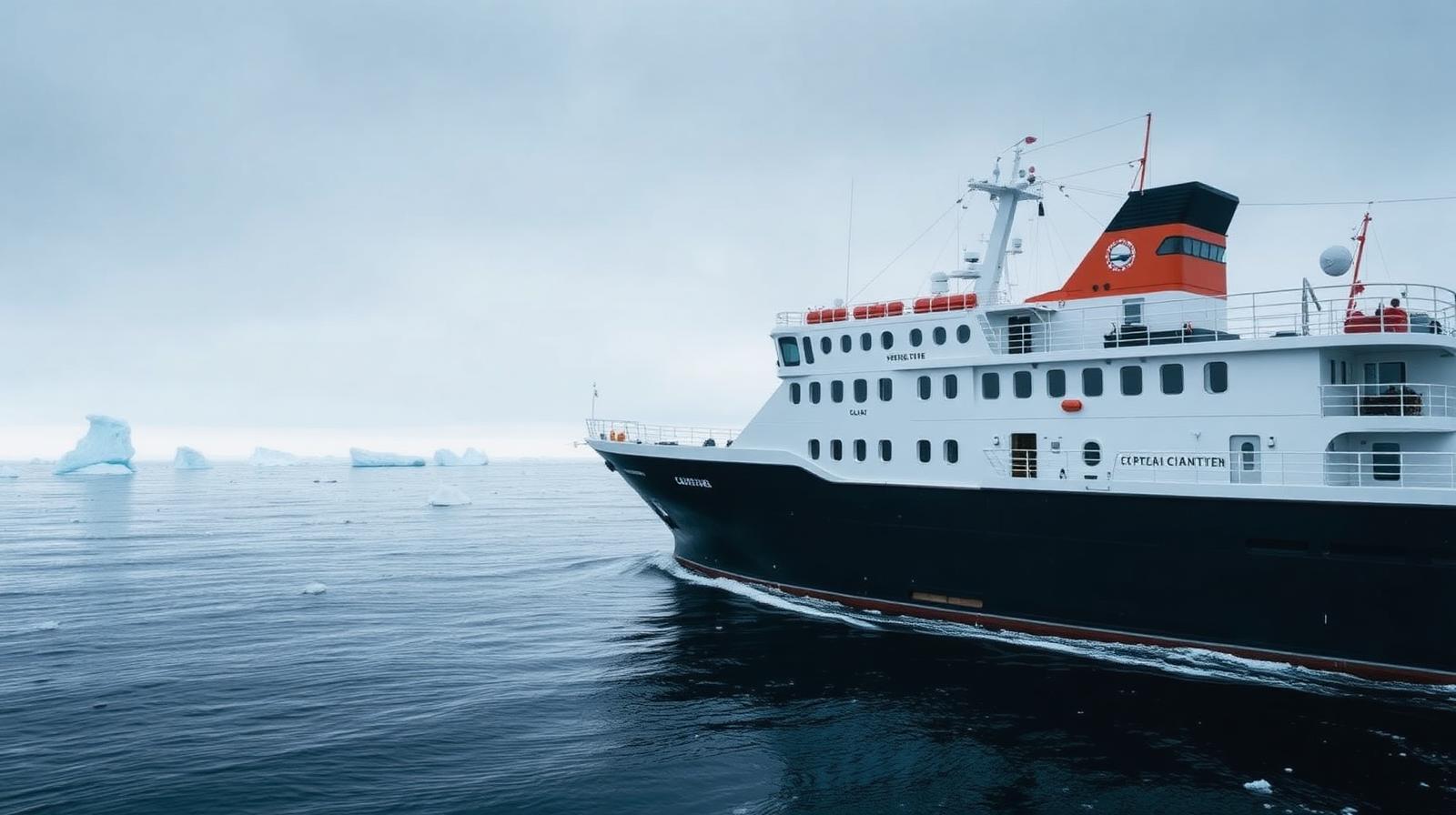
The outbreak aboard the MV Hondius, currently anchored off Praia, Cape Verde, represents an unprecedented cluster of ANDV cases, particularly notable for its confined maritime setting. While the initial source of infection remains under investigation, the subsequent propagation aboard the vessel poses bigly scientific questions. One central question revolves around the primary mode of transmission within the ship.Given the established person-to-person transmission capability of ANDV, the close quarters, shared ventilation systems. Prolonged contact typical of cruise ship environments are being scrutinized as potential amplifiers. Experts are evaluating whether enhanced aerosolization of viral particles, potentially helpd by air handling systems or specific shipboard activities, played a role in the rapid cluster observed. The sheer number of publicly reported infections within a relatively short timeframe and confined space, without a clear, continuous environmental rodent vector, suggests a high degree of human-to-human transmission or a potent initial exposure mechanism yet to be fully understood. Another anomalous factor is the geographical origin of the passengers and crew in relation to the known endemic regions of ANDV. While the vessel departed from South America, the duration of the voyage and the diverse nationalities onboard mean that traditional exposure pathways might not fully explain the outbreak's scale. Public health agencies are investigating whether specific points of exposure prior to or early in the voyage, or the unusual confluence of conditions on the vessel, created an environment uniquely conducive to a hantavirus outbreak of this magnitude. The genetic sequencing of the virus isolates from the MV Hondius, if released, could provide crucial insights into the strain and its potential origins. The MV Hondius incident is challenging established epidemiological models for hantavirus and underscores the need for enhanced biosurveillance and specialized outbreak response protocols for maritime vessels, especially those traversing regions where zoonotic diseases are endemic. By contrast, the scientific community is keenly watching for further data, as this event could redefine understanding of ANDV transmission dynamics in novel environments.
Sources
- World Health Organization (WHO)
- Centers for Disease Control and Prevention (US CDC)
- European Centre for Disease Prevention and Control (ECDC)
- Africa Centres for Disease Control and Prevention (Africa CDC)
- International Maritime Organization (IMO)
- Reuters
- Associated Press (AP)
- BBC News
- Journal of Virology
- The Lancet Infectious Diseases
- Nature Medicine